What Is Combined Double Eyelid Surgery and Epicanthoplasty?

Many expats and visitors in Tokyo considering eyelid surgery discover that a single procedure does not always give the result they picture. If your inner eye corner is covered by a fold of skin — the epicanthal fold — a standard double eyelid procedure alone can look uneven or fail to fully open the eye. This guide explains what combined double eyelid surgery and epicanthoplasty involves, what results are realistic, and what it costs in Tokyo.
What you’ll learn in this article:
- What double eyelid surgery and epicanthoplasty each do, and why they are sometimes performed together
- How the combined procedure is planned and carried out in a single session
- Realistic expectations for results, downtime, and scarring
- Current published pricing at a Tokyo clinic and what affects the final quote
- Who is (and is not) a suitable candidate
Have a question about this treatment?
Message us on LINE or WhatsApp — our English-speaking team usually replies the same day.
Double eyelid surgery creates or reinforces a supratarsal crease — the fold above the eye that many East Asian eyelids do not have naturally, or have only partially. Epicanthoplasty is a separate procedure that reduces or reshapes the epicanthal fold, the small flap of skin at the inner corner of the eye that partly covers the tear duct area.
Clinical literature notes that a prominent epicanthal fold can shorten the visible eye opening and blunt the effect of double eyelid surgery on its own, which is why the two are frequently planned together rather than in sequence.
How the Combined Procedure Works
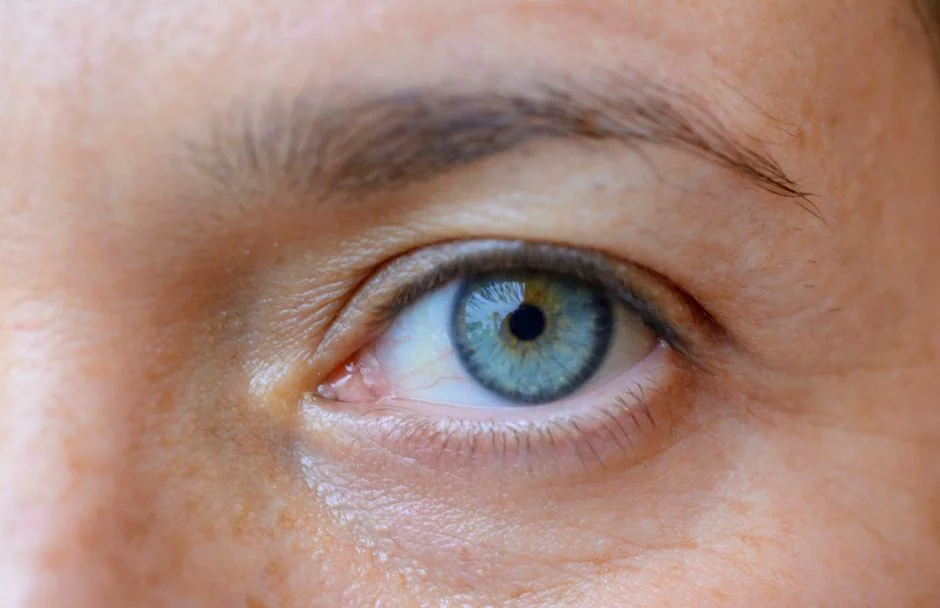
When performed together, the epicanthoplasty is usually completed first, then the double eyelid crease is marked and incised in coordination with the new inner corner position.
A 2025 clinical outcomes study of 100 patients using a modified inverted-L epicanthoplasty combined with incisional blepharoplasty found that marking the eyelid crease a set distance above and away from the epicanthal incision helped the two results sit together naturally, rather than creating a visible “step” where the two procedures meet.
Surgical Techniques Used in Tokyo
At Kojimachi Dermatology & Plastic Surgery Clinic, the epicanthoplasty component is generally performed using the Micro Z-plasty technique as a base approach, with the readaptation method or other individualised techniques selected depending on the patient’s fold shape and skin thickness. The double eyelid component is typically performed as an incisional (full-incision) procedure, since incisional methods allow more precise coordination with an epicanthoplasty than a suture-only (buried) technique. Both are performed under local anaesthesia in an outpatient setting.
At BIOTOPE CLINIC in Shirokanedai, we frequently see patients who first raise eyelid concerns during a broader cosmetic consultation with Dr. Karibe; where surgical eyelid correction is appropriate, his team coordinates pre-operative planning with the surgical specialists at Kojimachi, since that is where the eyelid and epicanthal procedures themselves are carried out.
Expected Results
Clinical outcomes data on the combined technique are encouraging, though results are individual and no outcome can be promised in advance. In the 2025 outcomes study referenced above, 97.0% of patients rated their results as satisfactory or better, with 60.0% reporting significant improvement and 37.0% moderate improvement; the complication rate was 2.0%, limited to two minor cases managed without further surgery.
A separate, earlier case series describing a modified Z-epicanthoplasty combined with blepharoplasty in more than 1,100 Asian patients similarly reported favourable aesthetic outcomes when the two procedures were planned as one coordinated design rather than treated as independent add-ons. Final results typically continue to settle for around three months, with the eyelid crease and inner corner scar maturing further over the following months.
Cost of Combined Double Eyelid Surgery and Epicanthoplasty in Tokyo
Based on Kojimachi Dermatology & Plastic Surgery Clinic‘s current published price list, full-incision double eyelid surgery is listed at ¥330,000 for one eye or ¥528,000 for both eyes, and epicanthoplasty is listed at ¥298,000. Combining the two procedures in one session is generally priced as the sum of each component, since they are billed as distinct procedures rather than a single bundled package — indicatively in the region of ¥700,000 for both eyes, though this is not a published package price.
Have a question about this treatment?
Message us on LINE or WhatsApp — our English-speaking team usually replies the same day.
The clinic does not publish a separate anaesthesia or facility fee on top of these listed amounts, as local anaesthesia is included.
Your actual quote can vary based on the specific technique selected (for example, if additional skin excision or scar revision work is recommended), and whether any prior eyelid surgery needs to be corrected first. For an accurate quote, please book a consultation.
What to Expect: Before, During and After
Before Surgery
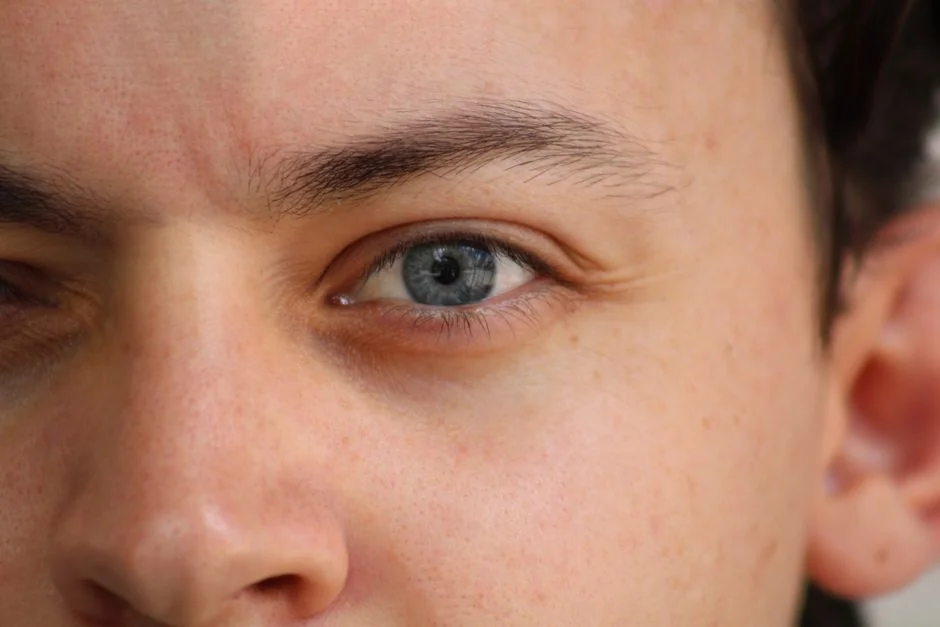
A consultation with the surgical team assesses your eyelid crease potential, epicanthal fold shape, skin thickness, and eye shape goals. Photographs and, in some cases, simulation are used to discuss realistic proportions rather than a fixed “ideal” template.
During Surgery
The procedure is performed under local anaesthesia and typically takes between one and two hours for both eyes, depending on technique. Most patients go home the same day.
After Surgery
Based on the clinic’s published recovery information, swelling and bruising typically last 7 to 14 days, sutures are removed after approximately 7 days, and light makeup can usually resume once sutures are out. Redness along the incision lines is common for around one month, gradually fading to a fine line over two to three months. Patients are generally advised to avoid saunas, strenuous exercise, and alcohol until sutures are removed, as these can prolong swelling.
Who Is a Good Candidate?
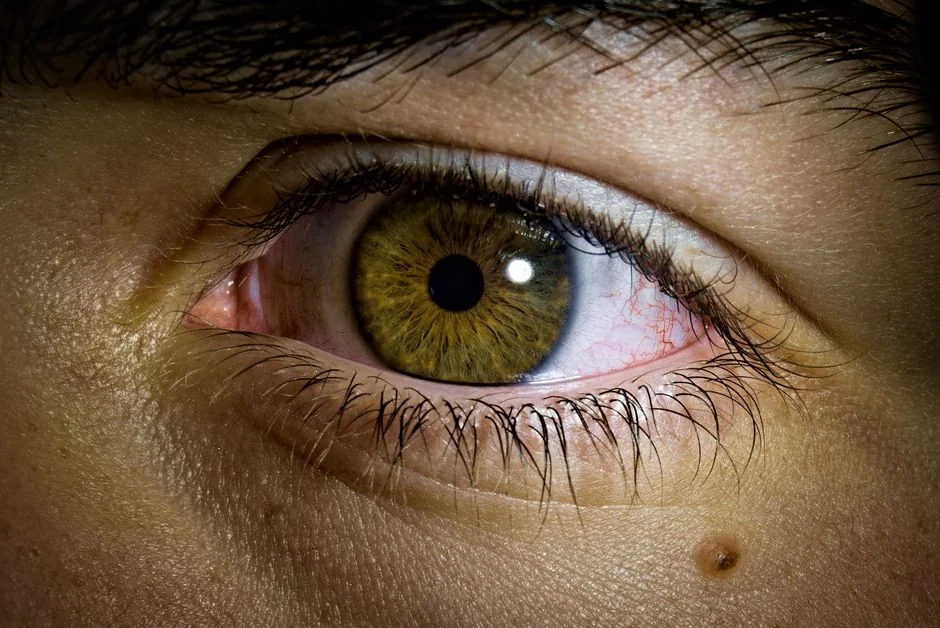
Good candidates typically have a visible epicanthal fold that limits the width or shape of the eye opening, are in good general health, have realistic expectations about scar maturation, and are not currently taking blood-thinning medication without medical clearance. Candidates who smoke, have active eyelid infections, or have significant pre-existing scarring or keloid tendency should discuss these factors carefully during consultation, as they can affect both healing and final scar appearance.
This is not an appropriate procedure for anyone seeking a specific celebrity-inspired eye shape as a guaranteed outcome; results are shaped by your existing anatomy, and a good surgical consultation should include a candid discussion of what is and is not achievable for your eyelid structure.
Combined Procedure vs. Each Procedure Alone
| Aspect | Double Eyelid Surgery Alone | Epicanthoplasty Alone | Combined Procedure |
| Primary concern addressed | Absent or undefined eyelid crease | Epicanthal fold covering inner corner | Both crease definition and inner corner shape |
| Typical downtime (swelling/bruising) | 7-14 days | 7-14 days | 7-14 days (single recovery period) |
| Listed price at Kojimachi (both eyes) | ¥528,000 | ¥398,000 | Approx. sum of both, confirmed at consultation |
| Best suited for | Well-shaped inner corner, no epicanthal fold | Prominent epicanthal fold, existing crease acceptable | Prominent epicanthal fold plus undefined crease |
Common Misconceptions About Combined Eyelid Surgery
Misconception 1: Combining the two procedures is automatically riskier than doing either one alone.
In the 2025 clinical outcomes study of the combined technique, the complication rate was only 2.0%, and the authors attributed this partly to planning both incisions together, which can actually reduce the risk of an awkward “junction” between the two results compared with treating them separately at different times.
Misconception 2: Epicanthoplasty always leaves an obvious scar at the inner corner of the eye.
A 2025 review of scarring after epicanthoplasty found that visible scarring varies significantly by technique — skin-redraping and Z-plasty approaches were generally associated with milder scarring than more extensive flap designs, and releasing tension in the underlying muscle was linked to less scarring overall. The reviewers noted, however, that this evidence is not yet based on randomised comparative trials, so individual results still depend heavily on surgeon technique and healing.
Where to Get Combined Double Eyelid Surgery in Tokyo
Within our clinic group, both BIOTOPE CLINIC (Shirokanedai, Minato-ku) and Kojimachi Dermatology & Plastic Surgery Clinic (Ichigaya, Chiyoda-ku) offer English-language consultation with Dr. Jun Karibe’s team.
Combined double eyelid surgery and epicanthoplasty is handled at Kojimachi Dermatology & Plastic Surgery Clinic (Ichigaya), where the surgical team specialises in eyelid and periocular procedures. If scar refinement is needed later, treatments such as CO2 fractional laser scar revision are also available at BIOTOPE CLINIC in Shirokanedai — feel free to ask about this during a consultation with Dr. Karibe. Bookings and enquiries in English: LINE or WhatsApp.
Frequently Asked Questions
- Q. Can double eyelid surgery and epicanthoplasty really be done in one session?
- Yes. Clinical literature describes this as a standard combined approach, with the epicanthoplasty typically performed first and the eyelid crease planned around the new inner corner position. Whether it is suitable for you depends on your specific eyelid anatomy, which is assessed at consultation.
- Q. How long is recovery for the combined procedure?
- Based on the clinic’s published recovery information, swelling and bruising generally last 7 to 14 days, with sutures removed after about a week. Redness along the incisions can persist for around a month before fading further over two to three months.
- Q. Will the scar from epicanthoplasty be visible?
- Scar visibility depends on technique and individual healing. Published reviews indicate that certain approaches, such as Z-plasty with muscle release, tend to produce milder scarring than more extensive designs, though results are not guaranteed and vary between patients.
- Q. Is this covered by Japanese health insurance?
- No. Both double eyelid surgery and epicanthoplasty for cosmetic purposes are self-pay (自由診療) procedures in Japan and are not covered by national health insurance.
Have a question about this treatment?
Message us on LINE or WhatsApp — our English-speaking team usually replies the same day.
Summary
Combined double eyelid surgery and epicanthoplasty addresses two related but distinct concerns — an undefined eyelid crease and a covering epicanthal fold — in a single, coordinated procedure. Published clinical outcomes suggest high patient satisfaction and a low complication rate when the two components are planned together, with recovery generally similar in length to either procedure alone.
As with any surgical decision, the right approach depends on your individual eyelid anatomy and goals, which is best assessed through an in-person or video consultation.
If you have questions about combined double eyelid surgery and epicanthoplasty, both BIOTOPE CLINIC (Shirokanedai, Minato-ku) and Kojimachi Dermatology & Plastic Surgery Clinic (Ichigaya, Chiyoda-ku) offer English-language consultation with Dr. Karibe and his team. This procedure is primarily handled at Kojimachi Dermatology & Plastic Surgery Clinic. English enquiries: LINE or WhatsApp.
24/7 Consultation & Booking
Book a Consultation or Treatment
Our English-speaking team responds via LINE or WhatsApp — usually the same day.
References
- Long L, Xie L, Zeng H, et al. Modified inverted ‘L’ epicanthoplasty combined with incisional blepharoplasty for epicanthal folds and single eyelids: a clinical outcomes study. American Journal of Translational Research. 2025;17(3):2014-2022.
- Fineide FA, Allen RC, Bohman E, et al. Minimizing Postoperative Scars in Epicanthoplasty: A Concise Review. Journal of Cosmetic Dermatology. 2025;24(12):e70603.
- Zhao J, Qi Z, Zong X, et al. A Modified Method Combining Z-Epicanthoplasty and Blepharoplasty to Develop Out-Fold Type Double Eyelids. Aesthetic Plastic Surgery. 2016;40:48-53.
Related Articles
You may also find these articles useful.
- Double Eyelid Surgery Tokyo: English-Speaking Clinic Guide
- How Long Should You Stay in Tokyo for Double Eyelid Surgery? Downtime, Pain & Flying Guide
- Ptosis Correction Surgery Tokyo: Droopy Eyelid Treatment
- Under Eye Bags Surgery Tokyo: Transconjunctival Guide
SUPERVISED BY

Dr. Jun Karibe
MD
Director
Education & Career
Certifications
Awards
MEDICAL REVIEW