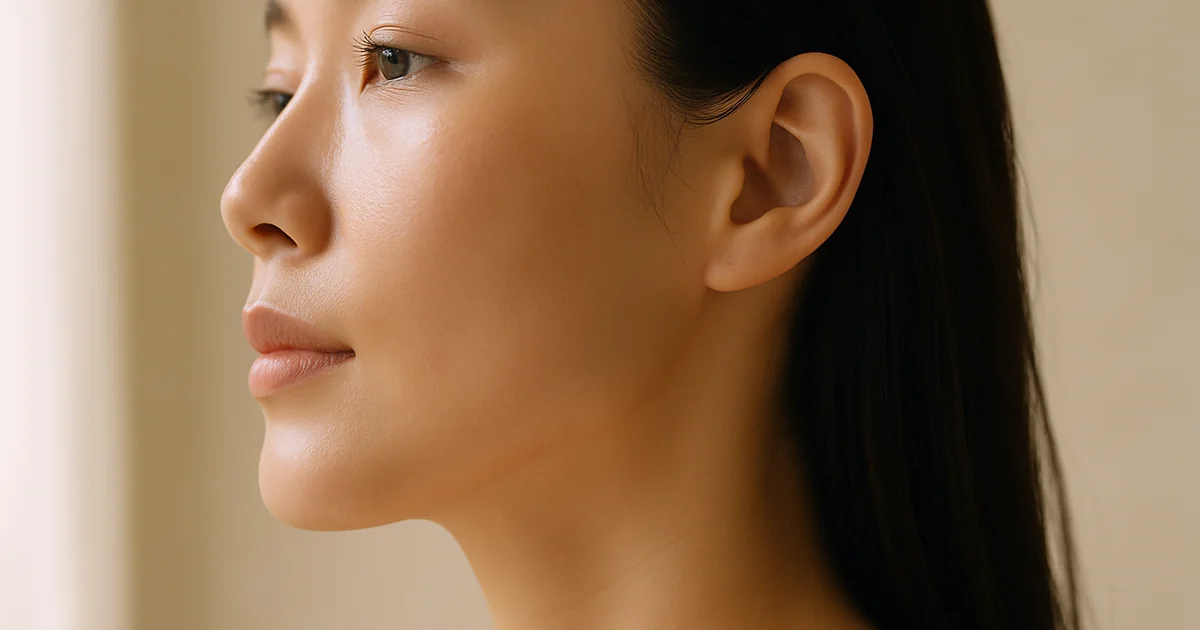
What Is FaceTite? RF-Assisted Lipolysis for Facial Contouring Explained
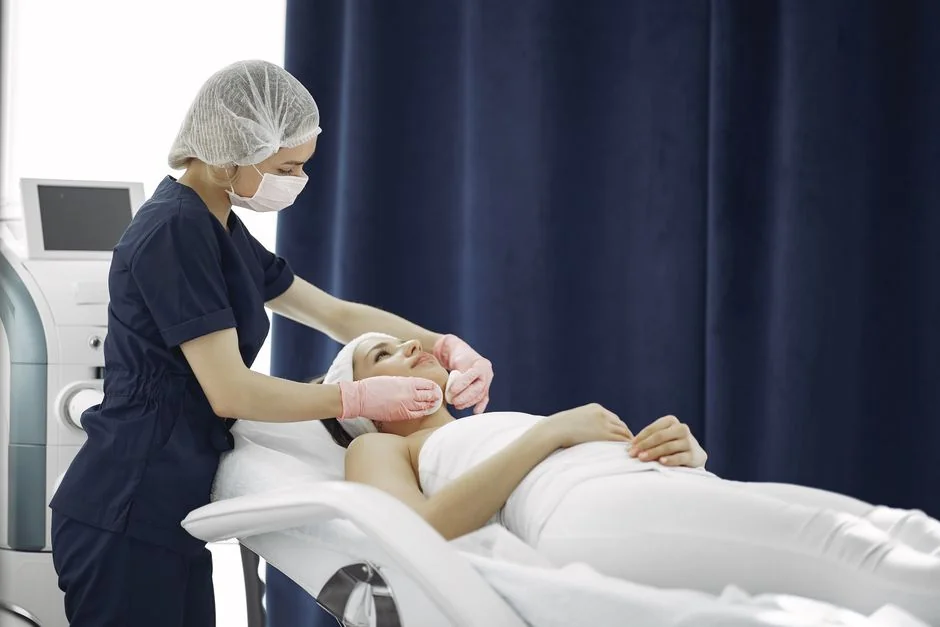
If you have noticed persistent fullness under the chin, softening of the jawline, or early jowling that does not respond to non-invasive treatments, you are not alone — and you are likely wondering whether there is a middle ground between Botox and a surgical facelift.
FaceTite is a minimally invasive procedure that has gained considerable attention precisely because it occupies that middle ground: delivering meaningful fat reduction and skin tightening through a very small incision, with far less downtime than open surgery.
This guide is written for English-speaking patients considering FaceTite in Tokyo.
It covers how the technology works, realistic results supported by published research, what the treatment experience involves, cost considerations in the Tokyo cosmetic surgery market, and how to determine whether you are an appropriate candidate.
What you’ll learn in this article:
- How FaceTite uses radiofrequency energy to reduce fat and tighten skin simultaneously
- What clinical studies report about skin contraction and patient satisfaction
- Realistic expectations for recovery and downtime after the procedure
- Cost range for FaceTite-type RF-assisted lipolysis in Tokyo
- Who is — and who is not — an appropriate candidate for this treatment
Have a question about this treatment?
Message us on LINE or WhatsApp — our English-speaking team usually replies the same day.
How FaceTite Works: The Science of RF-Assisted Lipolysis
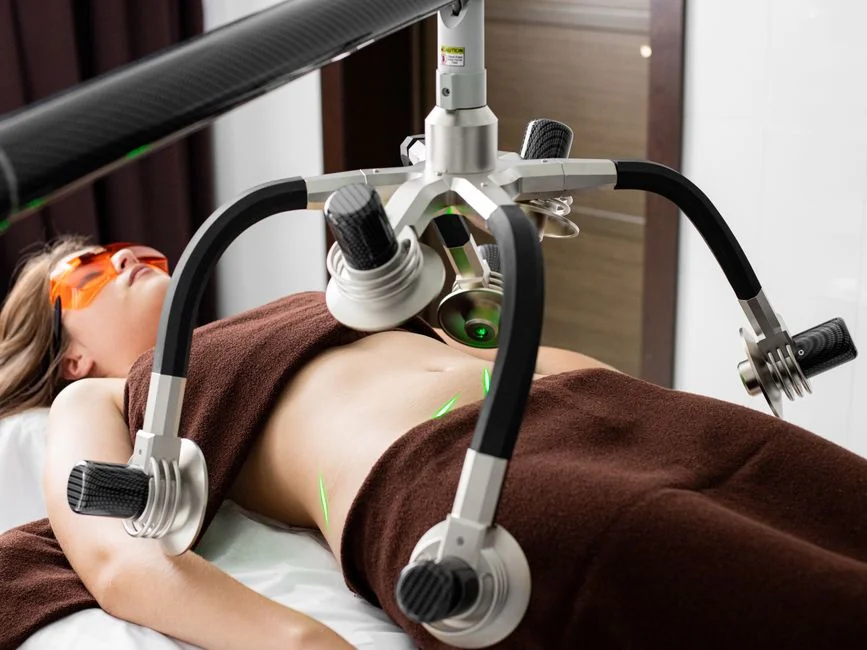
FaceTite is a device-based procedure that uses radiofrequency-assisted lipolysis (RFAL) — the controlled delivery of radiofrequency (RF) energy to simultaneously liquefy localised fat deposits and contract the overlying skin. The technology was developed by InMode and received FDA clearance for use in soft tissue coagulation.
The procedure uses a bipolar RF system: a thin cannula (a narrow, blunt-tipped tube) is inserted beneath the skin through a small entry point of approximately 1–2 mm, while a second electrode rests on the outer surface of the skin. Radiofrequency energy travels between these two poles, heating the subdermal fat layer to a precise therapeutic temperature — typically in the range of 38–42°C at the skin surface and higher in the subdermal tissue.
Dual action: fat reduction and skin tightening
The thermal energy achieves two outcomes at once. First, it disrupts fat cell membranes (adipocytes), causing them to release their contents — a process referred to as lipolysis. The liquefied fat is then aspirated or absorbed by the body. Second, and arguably more important for facial rejuvenation, the controlled heating of the dermis and subdermal fibrous tissue stimulates collagen contraction and, over subsequent months, new collagen synthesis (neocollagenesis). This is what produces the gradual skin tightening effect that distinguishes RFAL from conventional liposuction.
Built-in thermal sensors and real-time temperature monitoring help the treating physician maintain energy delivery within safe parameters, reducing the risk of thermal injury to surrounding structures. This level of feedback represents a meaningful technical advance over earlier-generation energy-assisted liposuction devices.
Common facial areas treated
- Submental region (under-chin / “double chin”)
- Jowls and lower face
- Jawline definition
- Upper neck and cervical fat
- Cheek fullness (selected cases)
FaceTite is frequently combined with Morpheus8, an RF microneedling treatment that delivers collagen remodelling energy to the superficial dermal layers, for patients who also want improvement in skin texture, fine lines, or acne scarring. Both FaceTite and Morpheus8 are available at BIOTOPE CLINIC in Shirokanedai — feel free to ask about a combined approach during a consultation with Dr. Karibe.
What Clinical Evidence Shows: Results and Realistic Expectations
FaceTite has been evaluated in several peer-reviewed studies and case series. A pivotal study published by Theodorou and Chia in Aesthetic Surgery Journal reported measurable soft tissue contraction rates of up to 37% in the horizontal axis and up to 47% in the vertical axis at the treated sites, assessed at one-year follow-up. The authors noted high patient satisfaction and a low rate of significant complications.
A separate multicentre clinical report indicated that approximately 94% of patients reported satisfaction with their outcomes at six months post-treatment, with the majority describing improved jawline definition and reduced submental fullness. These figures should be interpreted with appropriate caution — individual results vary depending on skin laxity, fat volume, and tissue quality — but they do suggest a meaningful and reproducible level of improvement for appropriate candidates.
What FaceTite can and cannot do
FaceTite produces measurable skin tightening and fat reduction, but it is not a substitute for a surgical facelift (rhytidectomy) in patients with significant skin redundancy. The procedure works best when there is a moderate volume of localised fat combined with early-to-moderate skin laxity. Patients with severely loose skin — particularly those who have experienced major weight loss — are more likely to achieve their desired outcome through surgical excision of excess skin.
Results appear gradually. Most patients notice initial contouring improvement within four to six weeks as post-procedural swelling resolves, but the full skin-tightening benefit — which depends on progressive collagen remodelling — typically develops over three to six months. Maintaining a stable body weight after treatment helps preserve outcomes over the long term.
Dr. Karibe’s Note
Many of our international patients arrive at BIOTOPE CLINIC having already researched FaceTite extensively online, but a common question I receive is whether the results will look “natural” rather than “done.” In my clinical experience, the gradual nature of the collagen remodelling process is actually an advantage here — because improvement unfolds over weeks and months, the change is perceived by others as a natural progression rather than a sudden transformation. This is one of the key reasons minimally invasive RFAL has become a popular choice among patients who want meaningful improvement without the visible recovery period associated with open surgery.
Common Misconceptions About FaceTite
Misconception 1: FaceTite is entirely non-invasive. This is a frequently repeated error in online content. FaceTite is minimally invasive — it does require small incisions, local anaesthesia, and a recovery period. It is not the same as a non-invasive surface treatment such as HIFU (High-Intensity Focused Ultrasound) or external RF. Patients should approach their consultation with realistic expectations about the nature of the procedure, including the possibility of bruising and swelling during recovery.
Misconception 2: All RF-based facial devices are equivalent. The term “radiofrequency” covers a wide spectrum of devices with very different delivery mechanisms, depth of penetration, and temperature targets. Surface RF devices, RF microneedling (such as Morpheus8), and RF-assisted lipolysis (FaceTite) each address different tissue layers and clinical concerns. Choosing the appropriate device for your anatomy and goals requires an individualised consultation with a physician experienced in energy-based treatments — not simply selecting the most frequently advertised option.
FaceTite Cost in Tokyo: What to Budget
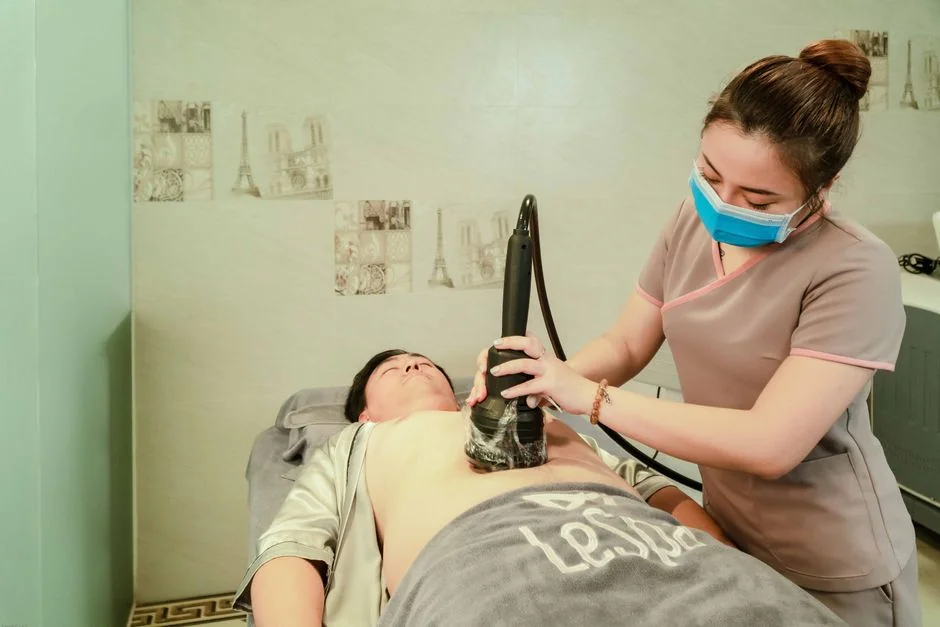
Pricing for RF-assisted lipolysis procedures in Tokyo varies depending on the number of anatomical areas treated, whether adjunctive treatments are combined, anaesthesia method, and the clinic’s medical infrastructure. The figures below reflect the general market range for this category of procedure in Tokyo cosmetic clinics, including our group.
| Treatment / Area | Approximate Price Range (JPY) | Notes |
|---|---|---|
| RF-assisted lipolysis — submental (under-chin) single area | ¥280,000–¥380,000 | Comparable to cheek/jawline liposuction pricing; area-dependent |
| RF-assisted lipolysis — lower face + neck (combined) | ¥380,000–¥600,000+ | Multi-area cases; exact quote requires consultation |
| Morpheus8 RF microneedling (complementary treatment) | ¥35,000–¥49,800 per session | Often recommended alongside RFAL for surface skin quality |
| HIFU (non-invasive lifting, standalone alternative) | ¥25,000–¥110,000 | Non-invasive option; suitable for milder laxity |
| Thread lift — Tesslift (minimally invasive lifting alternative) | ¥48,000 per thread | Number of threads varies by anatomy |
| Initial consultation | ¥3,300 | Dr. Karibe surgical consultation: ¥2,200 |
| Anaesthesia | ¥2,200–¥77,000 | Required for RFAL; type depends on scope of treatment |
| Pre-operative blood work | ¥11,000 | Required before surgical/invasive procedures |
For an accurate quote, we recommend booking a consultation. Pricing for energy-based lipolysis procedures is highly individualised, and a physician must assess your anatomy, skin laxity, and treatment goals before any meaningful cost estimate can be provided.
Have a question about this treatment?
Message us on LINE or WhatsApp — our English-speaking team usually replies the same day.
What to Expect: Before, During, and After FaceTite
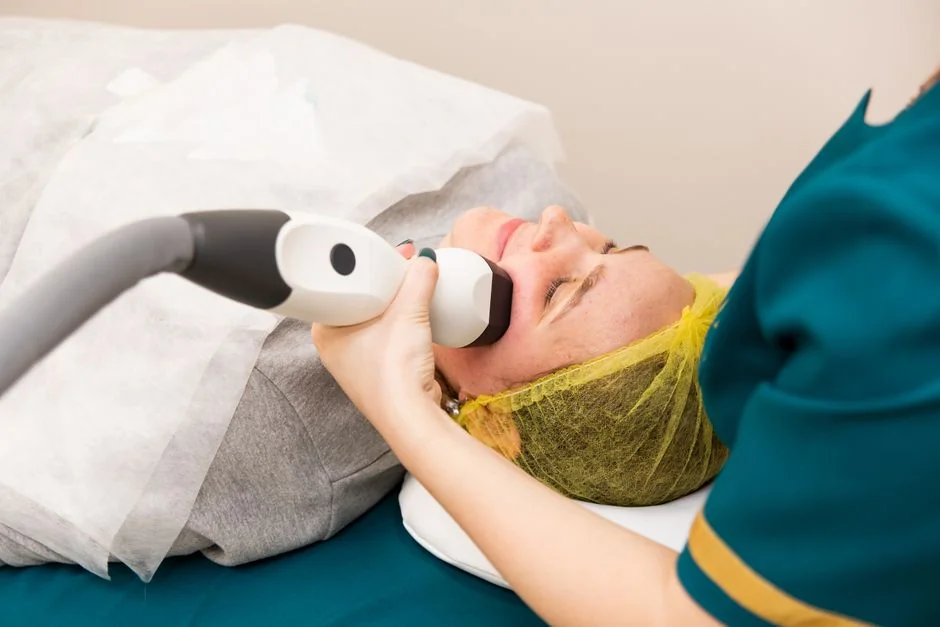
Before the procedure
A thorough pre-operative consultation is essential. The physician will assess your skin laxity, subcutaneous fat volume, facial anatomy, and overall health to confirm that FaceTite is appropriate for your goals. Pre-operative blood work (¥11,000) is required. Patients are typically advised to avoid blood-thinning medications, certain supplements (such as high-dose vitamin E or fish oil), and alcohol in the days preceding the procedure. Smoking significantly impairs tissue healing and is a contraindication or relative contraindication depending on the clinical judgement of the treating physician.
During the procedure
FaceTite is performed under local anaesthesia with or without oral sedation, depending on the extent of the treatment area and patient preference. A tumescent solution — a dilute mixture of local anaesthetic and adrenaline — is first infiltrated into the treatment area to numb the tissue, reduce bleeding, and aid in fat removal. The RF cannula is then introduced through small access points and guided beneath the skin while the external electrode rests on the surface. The procedure typically takes between 45 minutes and two hours depending on the number of areas treated.
Recovery and downtime
Most patients experience moderate swelling, bruising, and a sensation of tightness in the treated area for approximately five to ten days. A compression garment (typically a chin strap or facial wrap) is worn for one to two weeks to support the tissues and optimise contouring outcomes. Most patients are comfortable returning to office-based work within five to seven days, though visible bruising may persist for up to two weeks. Strenuous physical activity is generally restricted for two to three weeks.
In Dr. Karibe’s clinical experience at BIOTOPE CLINIC, international patients who plan their procedure to coincide with a longer stay in Tokyo — or who are already residing in Japan as expatriates — tend to manage the recovery period most smoothly, as they have access to follow-up appointments without the pressure of an imminent return flight.
Who Is a Good Candidate for FaceTite?
FaceTite tends to produce the most satisfying outcomes in patients who fit a specific profile. Understanding this profile can help you determine whether a consultation is the logical next step, or whether a different approach may serve you better.
Patients likely to benefit most
- Adults aged roughly 30–60 with localised submental or lower facial fat that has not responded to diet and exercise
- Patients with early-to-moderate skin laxity — skin that has begun to loosen but retains reasonable elasticity
- Patients who want meaningful improvement without the recovery period of open facelift surgery
- Non-smokers, or patients who have ceased smoking well in advance of the procedure
- Individuals with stable body weight and realistic expectations regarding the gradual nature of results
Patients who may not be ideal candidates
- Patients with significant skin redundancy who would benefit more from surgical skin excision
- Active smokers (impaired healing and increased complication risk)
- Patients with certain underlying health conditions affecting wound healing or clotting
- Those seeking dramatic rejuvenation equivalent to surgical facelift outcomes
- Patients who cannot comply with post-procedural care, including compression garment use
For patients who are not yet ready for a minimally invasive procedure, or whose concerns are milder, alternatives such as HIFU (High-Intensity Focused Ultrasound for non-invasive lifting, available at BIOTOPE CLINIC from ¥25,000) or thread lifts (Tesslift, ¥48,000 per thread) may be worth discussing during a consultation.
FaceTite vs. Alternative Facial Contouring Treatments: A Comparison
| Treatment | Invasiveness | Anaesthesia | Fat Reduction | Skin Tightening | Downtime | Approx. Cost Range (Tokyo) |
|---|---|---|---|---|---|---|
| FaceTite (RFAL) | Minimally invasive | Local +/- sedation | Moderate to significant | Moderate to significant | 5–14 days | ¥280,000–¥600,000+ |
| HIFU (e.g. Ultherapy-type) | Non-invasive | None | Minimal | Mild to moderate | None to minimal | ¥25,000–¥110,000 |
| Thread lift (Tesslift) | Minimally invasive | Local | None | Mild to moderate | 3–7 days | ¥48,000/thread |
| Morpheus8 (RF microneedling) | Minimally invasive | Topical | Minimal | Mild to moderate | 2–5 days | ¥35,000–¥49,800/session |
| Surgical facelift (rhytidectomy) | Invasive (surgical) | General or IV sedation | Moderate (variable) | Significant | 2–4 weeks | Varies; typically ¥1,000,000+ |
| Liposuction (cheek/jawline) | Minimally invasive | Local +/- sedation | Significant | Minimal (without RFAL) | 5–14 days | ¥280,000/area at BIOTOPE |
Where to Get FaceTite and RF-Assisted Lipolysis in Tokyo
Within our clinic group, English-speaking consultations are handled at BIOTOPE CLINIC in Shirokanedai (Minato-ku, Tokyo) by Dr. Jun Karibe, a board-certified plastic surgeon certified by the Japan Society of Plastic and Reconstructive Surgery. Our sister clinic, Kojimachi Dermatology & Plastic Surgery Clinic in Ichigaya (Chiyoda-ku, Tokyo), serves as the group’s main office and handles Japanese-language, insurance-covered dermatology. Bookings and enquiries in English: LINE or WhatsApp.
BIOTOPE CLINIC in Shirokanedai is conveniently located in Minato-ku and is accessible to both expatriates residing in Tokyo and visitors staying centrally. Dr. Karibe conducts personal consultations at this location and is able to assess whether FaceTite, a combination approach, or an alternative treatment is most appropriate for each individual patient’s anatomy and goals.
Frequently Asked Questions
- Q. Is FaceTite painful?
- The procedure is performed under local anaesthesia with tumescent infiltration, which numbs the treated area before the RF cannula is introduced. Most patients report feeling pressure or warmth during the procedure rather than sharp pain. Post-procedurally, the treated area typically feels tender and tight for several days, which is generally managed with over-the-counter analgesics as directed by the treating physician.
- Q. How long do FaceTite results last?
- The fat cells that are destroyed during the procedure do not regenerate, so the reduction in localised fat is considered long-lasting. The skin-tightening benefit, which results from collagen remodelling, is also durable — clinical follow-up studies have reported maintained improvement at one year post-treatment. However, the natural ageing process continues, and significant weight gain after treatment can affect long-term results.
- Q. Can FaceTite be combined with other treatments?
- Yes. FaceTite is frequently combined with Morpheus8 RF microneedling in the same session to address both deeper fat and superficial skin texture simultaneously. It may also be combined with injectable treatments such as hyaluronic acid filler or Botox at a separate appointment. The appropriateness of combination treatment depends on individual anatomy and is best discussed during a consultation.
- Q. Is FaceTite safe for patients of Asian skin types?
- Patients with Fitzpatrick skin types IV–VI (common among East Asian, South Asian, and other non-European backgrounds) require careful treatment planning for energy-based devices due to the risk of post-inflammatory hyperpigmentation or other pigmentary changes. The RF energy used in FaceTite is delivered internally rather than to the skin surface, which reduces this particular risk compared to some laser treatments. A thorough pre-treatment assessment by an experienced physician is essential.
- Q. How does FaceTite differ from a non-invasive treatment like HIFU?
- HIFU (High-Intensity Focused Ultrasound) delivers energy from outside the skin to stimulate collagen production in the deeper tissue layers without any incisions. It can provide mild-to-moderate lifting and tightening, but it does not physically remove fat. FaceTite, by contrast, removes localised fat via lipolysis and delivers RF energy directly to the subdermal tissue, producing more pronounced contouring results — at the cost of a short recovery period and small access incisions. The right choice depends on the degree of concern and individual anatomy.
- Q. Do I need to speak Japanese to receive treatment at your clinic?
- No. English-speaking consultations are available at BIOTOPE CLINIC in Shirokanedai, where Dr. Karibe and our English-speaking team can guide you through the full consultation, treatment planning, and aftercare process. All enquiries can be made in English via LINE or WhatsApp.
Have a question about this treatment?
Message us on LINE or WhatsApp — our English-speaking team usually replies the same day.
Summary: Is FaceTite Right for You?
FaceTite represents a clinically well-supported option for patients seeking meaningful facial contouring — particularly reduction of submental fullness, jowling, and early neck laxity — without the recovery demands of open surgery. Clinical studies suggest measurable skin contraction rates and high patient satisfaction at one year, though individual results depend on the degree of skin laxity, fat volume, and post-procedural care.
The procedure is best understood as a minimally invasive treatment occupying a defined space between surface energy devices (such as HIFU) and surgical approaches (such as facelift or neck lift). For patients whose concerns fall within that range — localised fat with early-to-moderate skin laxity and good overall health — it warrants serious consideration. For patients with more advanced skin redundancy or more modest concerns, a consultation will help clarify which approach offers the most appropriate level of intervention.
If you have questions about FaceTite or RF-assisted lipolysis in Tokyo, English-speaking consultations are handled at BIOTOPE CLINIC in Shirokanedai (Minato-ku, Tokyo) by Dr. Jun Karibe. Our sister clinic, Kojimachi Dermatology & Plastic Surgery Clinic in Ichigaya (Chiyoda-ku), handles Japanese-language insurance dermatology. English enquiries: LINE or WhatsApp.
24/7 Consultation & Booking
Book a Consultation or Treatment
Our English-speaking team responds via LINE or WhatsApp — usually the same day.
References
- Theodorou SJ, Chia CT. Radiofrequency-Assisted Liposuction for Arm Contouring: Technique Under Local Anesthesia. Plastic and Reconstructive Surgery Global Open. 2013.
- Blugerman G, Schavelzon D, Paul MD. A safety and feasibility study of a novel radiofrequency-assisted liposuction technique. Plastic and Reconstructive Surgery. 2010.
- Mulholland RS. Radio Frequency Energy for Non-Invasive and Minimally Invasive Skin Tightening. Clinics in Plastic Surgery. 2011.
- Paul M, Blugerman G, Kreindel M, Mulholland RS. Three-dimensional radiofrequency tissue tightening: a proposed mechanism and applications for body contouring. Aesthetic Plastic Surgery. 2011.
- Duncan DI. Nonexcisional tissue tightening: creating skin surface area reduction during abdominal liposuction by adding radiofrequency heating. Aesthetic Surgery Journal. 2013.
Related Articles
You may also find these articles useful.
- Embrace RF Tokyo: FaceTite & Morpheus8 Explained
- English Speaking Plastic Surgeon Tokyo: Complete Guide
- Non-Surgical Facelift Tokyo: Embrace RF for 40s & 50s
- Skin Tightening Treatment Tokyo: Options and Cost
- Volnewmer vs Thermage vs HIFU: RF Comparison
SUPERVISED BY
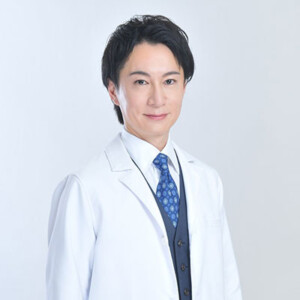
Dr. Jun Karibe
MD
Director
Education & Career
Certifications
Awards
MEDICAL REVIEW