Scar Revision Surgery in Tokyo: Options and Cost
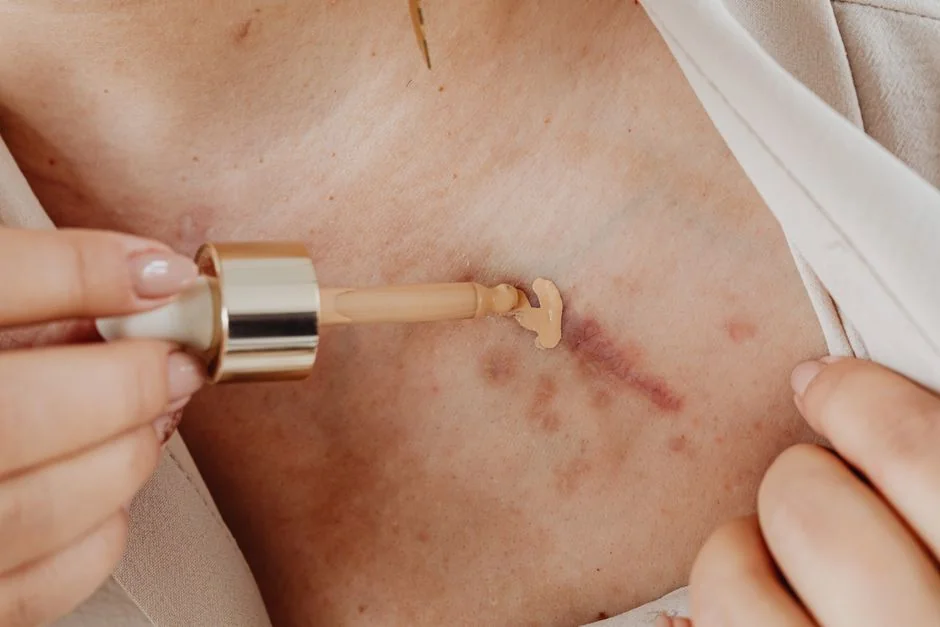
A scar that catches the light in every mirror, tugs when you move, or simply reminds you of an injury you would rather forget can weigh on you far more than its size suggests. Many English-speaking residents and visitors in Tokyo delay asking about it because they are unsure whether anything can genuinely be done, or what it would cost in Japan.
This article explains what scar revision surgery actually involves, which options suit which scars, how costs are structured in Tokyo under Japan’s insurance and self-pay systems, and what recovery realistically looks like.
What you’ll learn in this article:
- What scar revision surgery is, and what it can and cannot achieve
- The main surgical and non-surgical options, compared side by side
- How scar treatment costs are structured in Tokyo (insurance-covered versus self-pay)
- Realistic downtime, healing timelines, and when to wait before operating
- Who is a good candidate, and who should approach revision with caution
Have a question about this treatment?
Message us on LINE or WhatsApp — our English-speaking team usually replies the same day.
What Is Scar Revision Surgery?
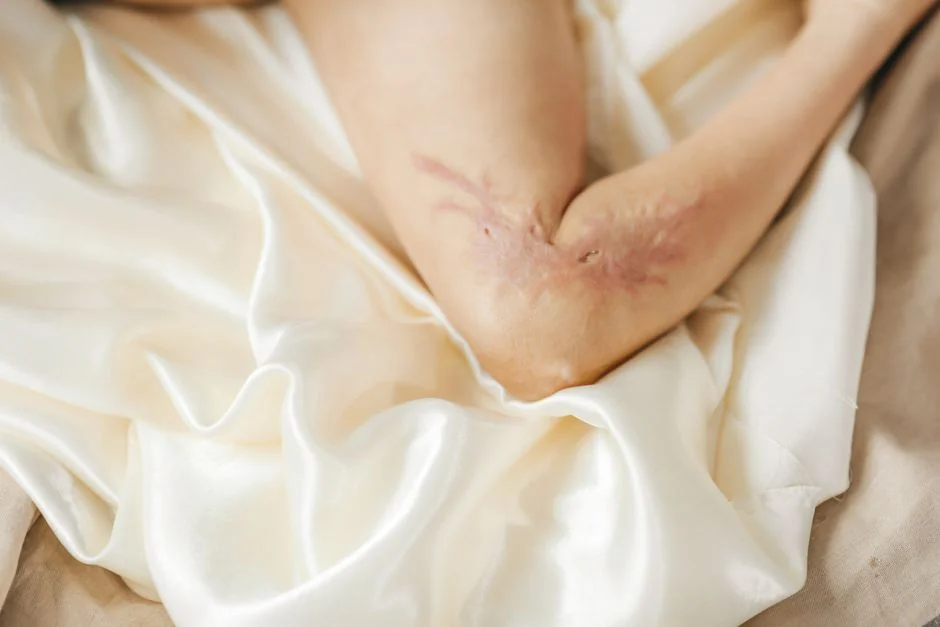
Scar revision is surgery to improve or reduce the appearance of a scar. As the University of Florida Health patient information states, it “also restores function, and corrects skin changes (disfigurement) caused by an injury, wound, poor healing, or previous surgery.”
The essential point to understand is that revision does not erase a scar. The old scar tissue is removed and the wound is re-closed under better conditions, which produces a new, thinner and better-oriented scar in place of the original.
Dr. JUN has over 17 years of experience and a proven track record as a board-certified plastic surgeon, and has treated an overwhelming number of cases involving scars and keloids both in Japan and abroad.
main scar types
Mature (atrophic or flat) scars are settled scars that are pale and level with the skin. They are usually treated for appearance rather than function.
Hypertrophic scars are raised and red but stay within the boundary of the original wound, and often flatten over time on their own.
Keloids extend beyond the original wound margins, tend to be itchy or painful, and are strongly prone to returning after surgery alone.
Scar contractures occur when scar tissue tightens across a joint or a mobile area such as the neck, axilla, or fingers, restricting movement. This distinction matters greatly in Japan, because it determines insurance eligibility.
Scar Revision Options Compared
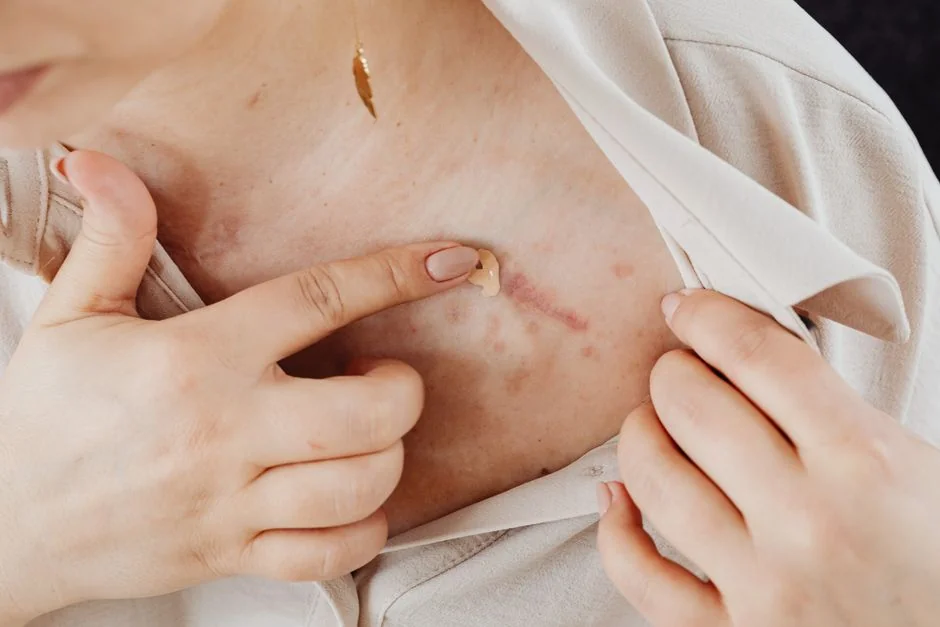
Scar revision is rarely a single procedure. In most cases a surgical step is combined with post-operative measures that control how the new scar matures over the following months.
| Option | What it does | Typical downtime | Main limitations |
|---|---|---|---|
| Simple excision and fine closure | Removes the scar and re-closes the wound carefully in layers | Sutures removed around 3–4 days on the face, 5–7 days elsewhere | Produces a new scar; unsuitable alone for keloids |
| Z-plasty / W-plasty | Re-orients the scar into natural skin creases and releases tension using small triangular flaps | Similar to excision, with more swelling early on | More complex closure; leaves a longer but less conspicuous scar line |
| Skin graft or local flap | Replaces tissue where the defect is too wide to close directly | Longer; a second donor-site wound must also heal | Colour and texture match is imperfect; donor-site scarring |
| Intralesional steroid injection | Softens, flattens, and reduces itching in raised scars and keloids | Essentially none | Repeat sessions needed; risks skin thinning and pigment change |
| Silicone gel or sheeting, plus taping | Occludes and hydrates the healing scar to limit thickening | None | Requires months of daily use; evidence quality is limited |
| Fractional CO2 laser or RF microneedling | Resurfaces and remodels shallow, textured or acne scarring | Several days of redness and flaking | Does not treat tension, contracture, or true keloids |
| Post-operative radiotherapy (keloids) | Given after excision to suppress recurrence at high-risk sites | Adds short radiotherapy visits after surgery | Requires a facility with radiotherapy; usually needs referral |
Why keloids are handled differently
Keloids are the one situation where surgery on its own is generally a poor plan. A Japanese study of upper-arm keloids published in Plastic and Reconstructive Surgery – Global Open notes that “keloids have very high recurrence rates after excision alone (range, 45%–100%).”
In that same series of 38 patients treated with Z-plasty followed by post-operative radiotherapy, only two lesions (5.3%) recurred, and the average time to steroid-tape-resistant recurrence was three months. Clinical reports of this kind are why keloid planning normally builds in an adjuvant step from the outset rather than adding one after a recurrence.
Japan also has an oral option that many international patients are unaware of.
Tranilast (marketed as Rizaben) is approved in Japan with keloid and hypertrophic scar listed among its indications alongside bronchial asthma, allergic rhinitis and atopic dermatitis. In the Japanese phase III double-blind trial cited in its package insert, 252 patients received tranilast for 12 weeks, and moderate-or-greater improvement was recorded in 56.2% of the tranilast group versus 26.7% of the comparator ointment group. It is contraindicated in pregnancy, particularly within roughly the first three months.
Cost of Scar Revision Surgery in Tokyo
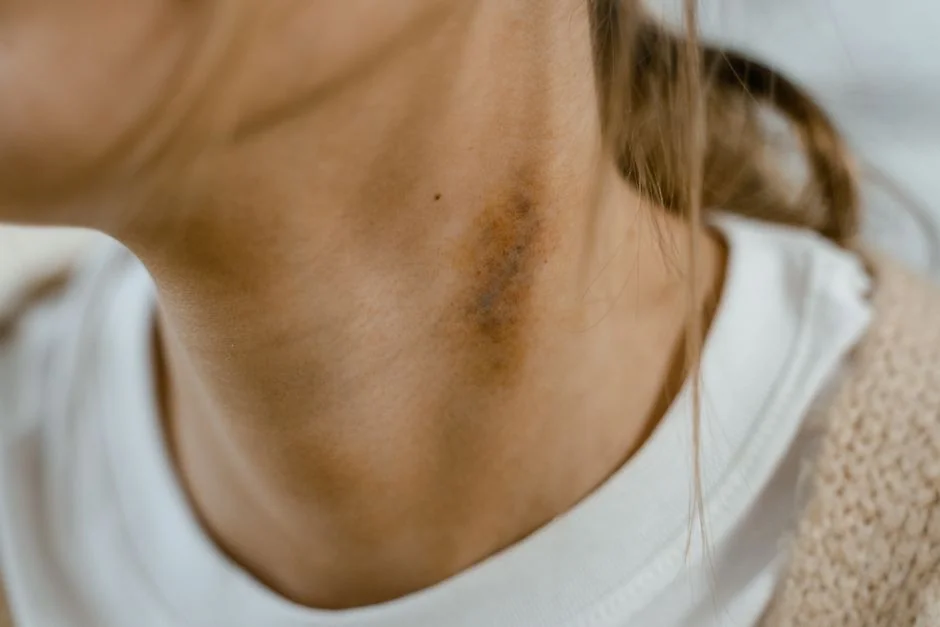
Cost in Japan depends almost entirely on one question: is the procedure functional or cosmetic? These are billed through completely different systems.
Insurance-covered scar surgery
Japan’s national health insurance sets prices through a point system in which one point equals ten yen, with fees fixed by the Ministry of Health, Labour and Welfare and revised every two years. Most insured patients pay a 30% co-insurance share, though the rate varies with age and income.
Scar contracture surgery appears in the fee schedule as item K010, at 12,660 points for the face and 8,060 points for other sites. Crucially, the accompanying notice states that it may only be claimed where the scar causes not merely contracture but actual restriction of movement; finger and toe contractures are billed separately under K099.
At ten yen per point, the facial figure corresponds to a total surgical fee of ¥126,600, of which a patient paying 30% would bear roughly ¥37,980 for the operation itself. Anaesthesia, pathology, dressings, medication and follow-up visits are billed separately on top of that.
Self-pay (cosmetic) scar revision
Where a scar is not causing functional impairment, revision is treated as cosmetic and falls outside insurance entirely. Self-pay fees are set by each clinic and vary with the length and site of the scar, the complexity of the closure, anaesthesia, and how many sessions of adjunctive treatment are planned.
Because these fees are not standardised, we do not publish indicative ranges here. Please see the clinic’s official price page or contact us for a current quote. For an accurate quote, please book a consultation.
Have a question about this treatment?
Message us on LINE or WhatsApp — our English-speaking team usually replies the same day.
What to Expect: Before, During and After
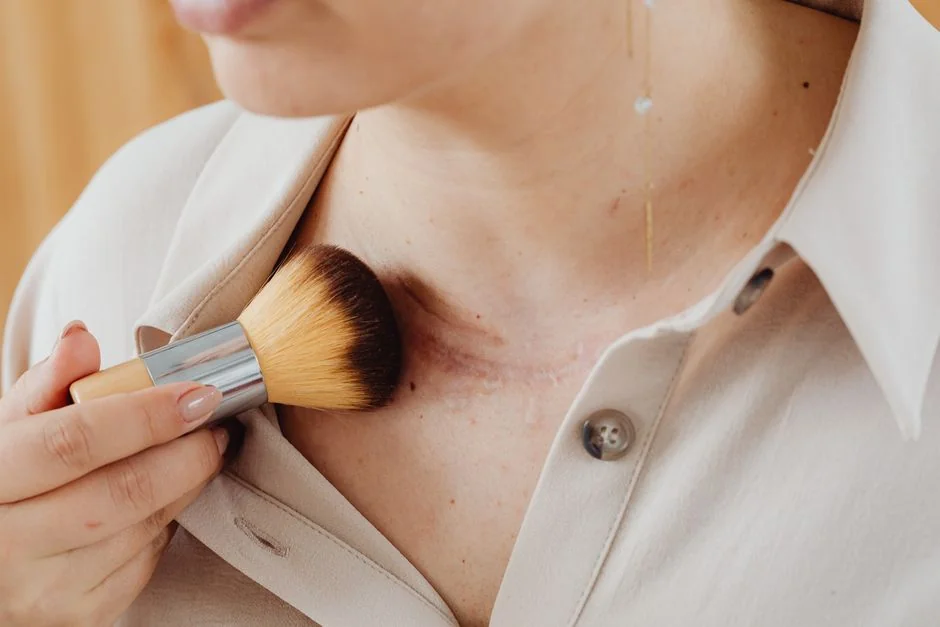
Timing matters more than most people expect
Operating on a scar too early usually works against you. UF Health advises that “scars shrink and become less noticeable as they age,” and that “it is best to have revision surgery 60 to 90 days after the scar matures or longer.”
For many scars this means waiting several months to a year from the original injury, using conservative measures in the meantime and reassessing.
The procedure and early recovery
Most scar revisions on the face and limbs are performed under local anaesthesia as day surgery. Sutures typically come out at around 3–4 days on the face and 5–7 days on other parts of the body, and most people resume normal activities soon afterwards.
The aftercare phase is the real work
The months after surgery determine the result. Silicone gel and sheeting are the standard adjunct: in the work described by Mustoe in the Textbook on Scar Management, treatment ran for three months with the gel applied for 12 hours a day, and results reached close to maximum after two months, with only minor further change at three. Continuous 24-hour wear was poorly tolerated because it caused maceration of the skin.
Sun protection, avoiding tension on the wound, and attending review appointments so that a thickening scar can be treated early are equally important.
Who is a good candidate
Good candidates are non-smokers or those willing to stop, in reasonable general health, with a mature scar, realistic expectations, and the willingness to commit to months of aftercare. Scars in high-tension areas such as the chest, shoulders and upper arms need particularly careful planning.
Approach revision with caution if you have a personal or family history of keloids, an active infection or inflammation in the area, a very recent scar, uncontrolled diabetes, or are pregnant or breastfeeding. Known risks of revision include recurrence of the scar, keloid formation or recurrence, and wound separation.
What People Often Get Wrong About Scar Revision
Misconception 1: “Surgery will remove the scar completely.” It will not. Excision removes old scar tissue and replaces it with a new wound that must itself heal into a scar. The realistic goal is a scar that is flatter, narrower, better aligned with natural skin lines and less noticeable, not an absence of scarring. Any clinic promising erasure is overstating what surgery can do.
Misconception 2: “Silicone sheets are proven to flatten scars, so surgery is unnecessary.” Silicone is a sensible, low-risk first step, but the evidence is weaker than its popularity suggests. A 2021 Cochrane review of silicone gel sheeting for hypertrophic scars included 13 randomised trials with sample sizes of 10 to 60 participants and rated all the evidence as low or very low certainty, concluding that there is “currently limited rigorous RCT evidence available about the clinical effectiveness of SGS in the treatment of hypertrophic scars.” Silicone is worth trying; it is not a substitute for assessment when a scar is contracted, widening, or behaving like a keloid.
Where to Get Scar Revision in Tokyo
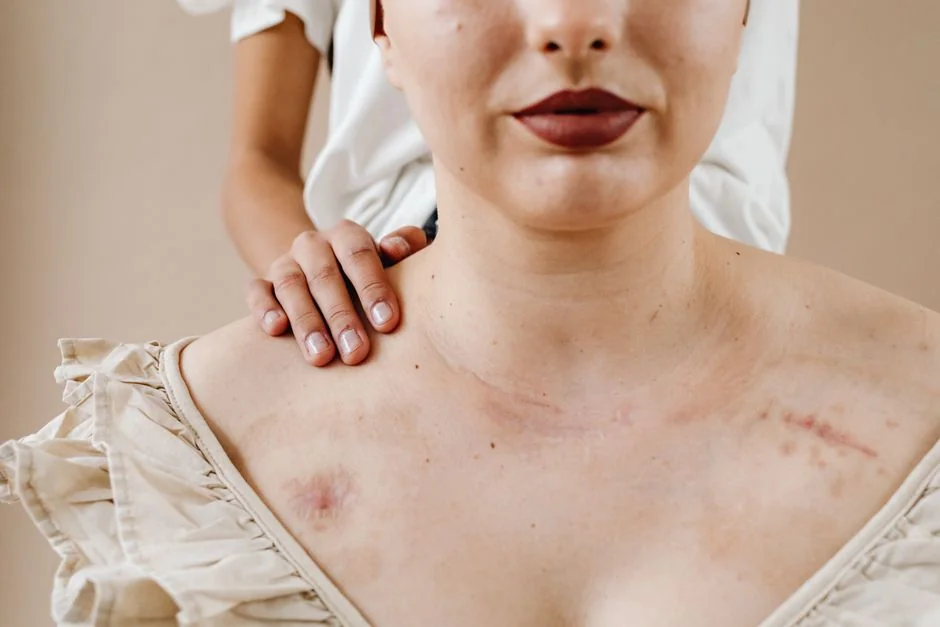
Within our clinic group, English-speaking consultations are handled at BIOTOPE CLINIC in Shirokanedai (Minato-ku, Tokyo) by Dr. Jun Karibe. Our sister clinic Kojimachi Dermatology & Plastic Surgery Clinic in Ichigaya handles Japanese-language insurance dermatology. Bookings and enquiries in English: LINE or WhatsApp.
BIOTOPE CLINIC is located at Green Leaves 2F, 4-9-10 Shirokanedai, Minato-ku, roughly one minute from Exit 1 of Shirokanedai Station. Kojimachi Dermatology & Plastic Surgery Clinic, the group’s main office, is at 1-4-5 Hirakawa-cho, Chiyoda-ku.
Scar revision, mole removal and cyst excision are among the plastic surgery procedures offered within the group, and fractional CO2 laser and RF microneedling are available at BIOTOPE CLINIC in Shirokanedai for shallow, textured scarring such as acne scars — feel free to ask about these during a consultation with Dr. Karibe. A consultation is also the point at which whether your scar may qualify as an insurance-covered functional case can be assessed.
Frequently Asked Questions
- Q. How long should I wait before having a scar revised?
- Most scars need time to mature, and patient guidance from UF Health suggests revision is best performed 60 to 90 days after the scar has matured, or longer. In practice this often means several months to a year after the original injury, with conservative treatment in the meantime.
- Q. Will my Japanese health insurance cover scar revision?
- Only when the scar causes genuine functional impairment. The fee schedule item for scar contracture surgery (K010) may be claimed only where the scar causes restriction of movement, not simple contracture, so purely cosmetic revision is self-pay.
- Q. I have a keloid. Is surgery still an option?
- Yes, but rarely as a standalone procedure, since recurrence after excision alone has been reported in the range of 45% to 100%. Keloid plans usually combine surgery with adjuncts such as post-operative radiotherapy, steroid injection or tape, and in Japan sometimes oral tranilast.
- Q. Can laser treatment replace surgery?
- Laser and RF microneedling can improve shallow, textured or discoloured scarring, but they do not relieve tension or contracture and are not a substitute for excision in those cases. The right choice depends on the scar type, which is what the consultation is for.
Have a question about this treatment?
Message us on LINE or WhatsApp — our English-speaking team usually replies the same day.
Summary
Scar revision surgery in Tokyo replaces a problematic scar with a better-planned one; it does not erase scarring. The right approach depends on whether the scar is mature, hypertrophic, keloid, or contracted, and keloids in particular need adjunctive treatment planned from the start rather than surgery alone.
Dr. JUN has over 17 years of experience and a proven track record as a board-certified plastic surgeon, and has treated an overwhelming number of cases involving scars and keloids both in Japan and abroad.
On cost, the dividing line in Japan is functional versus cosmetic: scar contracture surgery with genuine movement restriction is billed through national health insurance under a fixed point system, while cosmetic revision is self-pay and priced per case. For an accurate quote, please book a consultation.
If you have questions about scar revision surgery, English-speaking consultations are handled at BIOTOPE CLINIC in Shirokanedai (Minato-ku, Tokyo) by Dr. Karibe. Our sister clinic Kojimachi Dermatology & Plastic Surgery Clinic in Ichigaya (Chiyoda-ku) handles Japanese-language insurance dermatology. English enquiries: LINE or WhatsApp.
24/7 Consultation & Booking
Book a Consultation or Treatment
Our English-speaking team responds via LINE or WhatsApp — usually the same day.
References
- Dohi T, Kuribayashi S, Tosa M, Aoki M, Akaishi S, Ogawa R. Z-plasty and Postoperative Radiotherapy for Upper-arm Keloids: An Analysis of 38 Patients. Plastic and Reconstructive Surgery – Global Open. 2019.
- Jiang Q, Chen J, Tian F, Liu Z. Silicone gel sheeting for treating hypertrophic scars. Cochrane Database of Systematic Reviews. 2021;9:CD013357.
- Mustoe TA. Silicone Gel for Scar Prevention. In: Textbook on Scar Management: State of the Art Management and Emerging Technologies. Springer; 2020.
- Kissei Pharmaceutical Co., Ltd. Rizaben (tranilast) capsules, fine granules and dry syrup — Japanese package insert, revised July 2026.
- Ministry of Health, Labour and Welfare (Japan). Medical Fee Schedule (Ika), Part 10 Surgery, item K010 Scar contracture plastic surgery, and accompanying notice.
Related Articles
You may also find these articles useful.
- Scar Revision Surgery Tokyo: Options, Cost & Recovery
- Scar Revision Surgery Tokyo: Options and Cost
- Scar Revision Surgery Tokyo: Options, Results & Cost
- Acne Scar Laser Treatment Tokyo: Cost and Real Results
- Mole Removal Tokyo: Cost & Procedure Guide
SUPERVISED BY
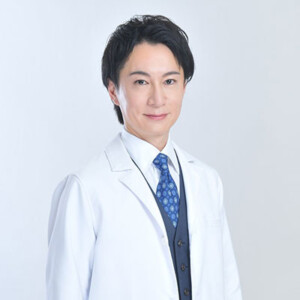
Dr. Jun Karibe
MD
Director
Education & Career
Certifications
Awards