Dermal Filler in Tokyo: Prices, Clinics, and What to Expect in 2025

Thinking about dermal fillers in Tokyo but unsure where to start — especially as an international patient navigating a city where most clinics operate in Japanese?
You are not alone. Many expatriates and medical visitors find the combination of language barriers, unfamiliar brand names, and wide price variation genuinely confusing.
This guide explains how hyaluronic acid fillers work, what realistic results look like, what you should expect to pay at a reputable Tokyo clinic, and how to find a qualified English-speaking doctor for your consultation.
What you’ll learn in this article:
- What dermal fillers are and how hyaluronic acid fillers work
- Realistic results and how long they typically last
- Dermal filler prices in Tokyo, with specific figures from a clinic price list
- Who is a good candidate — and who should wait or avoid treatment
- How to access English-speaking filler consultations in Tokyo
Have a question about this treatment?
Message us on LINE or WhatsApp — our English-speaking team usually replies the same day.
What Are Dermal Fillers?
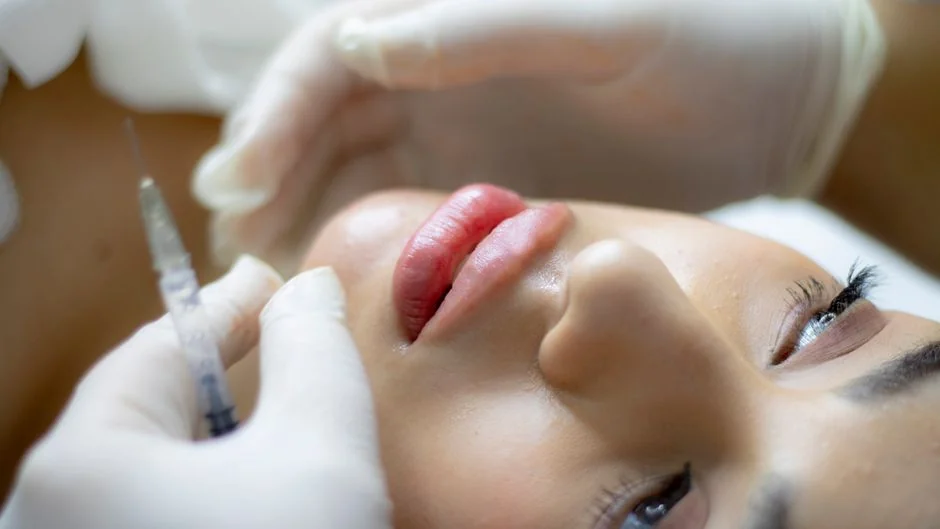
Dermal fillers are injectable substances placed beneath the skin to restore lost volume, smooth out lines and folds, or enhance facial contours. The most widely used type worldwide — and the gold standard in aesthetic medicine — is hyaluronic acid (HA) filler.
Hyaluronic acid is a naturally occurring sugar molecule found throughout the body, particularly in skin, joints, and connective tissue.
Its key property is water retention: a single gram of hyaluronic acid can bind up to six litres of water, which is why HA fillers create a soft, hydrated, natural-looking result when injected correctly.
In clinical practice, HA fillers come in varying thicknesses (known as rheological profiles). Thicker, more cohesive gels are used for deep structural work — such as restoring cheekbone projection or defining the jawline — while lighter, softer gels suit fine lines around the lips or under-eye hollowing.
What Areas Can Be Treated?
Common treatment areas include the nasolabial folds (the lines running from nose to mouth), marionette lines, lips, cheeks, temples, chin, jawline, and the tear trough (under-eye hollow). Nose reshaping without surgery — sometimes called a non-surgical rhinoplasty — is also achievable with carefully placed filler in selected patients.
How Hyaluronic Acid Fillers Work

The injection is administered using a fine needle or blunt-tipped cannula (a flexible tube), depending on the anatomical area and the practitioner’s technique. Cannulas are often preferred around delicate zones such as the tear trough or lips because they carry a lower risk of bruising and vascular injury.
Once placed, the HA gel integrates with surrounding tissue, attracting moisture and providing immediate volume. The body gradually metabolises the filler over months, meaning results are temporary rather than permanent — a feature many patients find reassuring, particularly for a first treatment.
An important safety point: hyaluronic acid filler is reversible. An enzyme called hyaluronidase can dissolve HA filler rapidly if a complication occurs or if a patient is unhappy with the result. This reversibility is one reason HA fillers remain the preferred choice over non-reversible alternatives.
Expected Results and How Long They Last
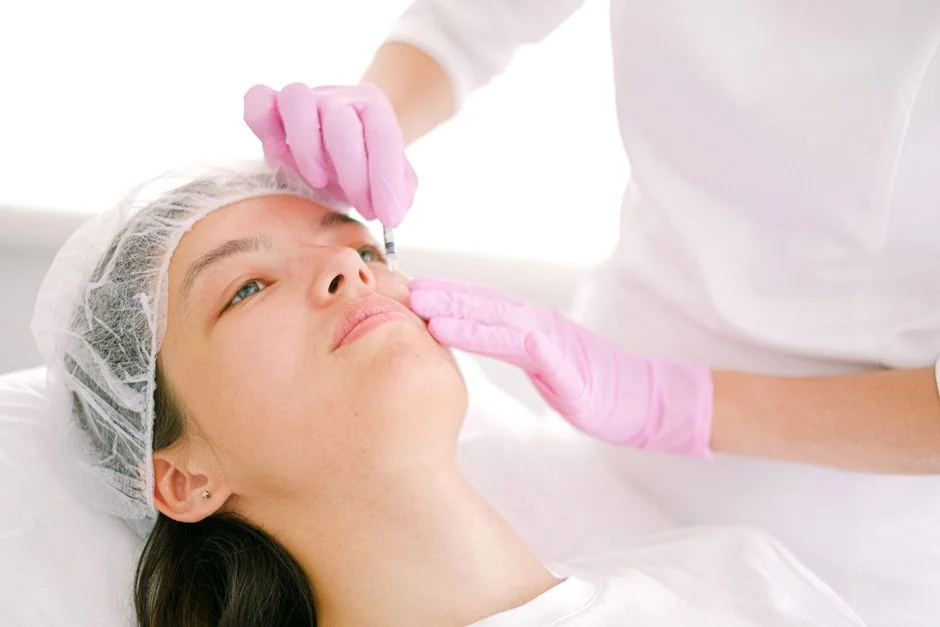
Results are visible immediately after the appointment. Some temporary swelling and occasional bruising are normal in the first 48–72 hours, so the final, settled appearance typically becomes clear within one to two weeks.
Longevity depends on the product used, the area treated, the patient’s metabolism, and lifestyle factors. Clinical reports indicate that most HA fillers last between 9 and 18 months; lip filler tends to degrade faster — often within 6–9 months — because the lips move frequently throughout the day.
Studies published in peer-reviewed aesthetic medicine journals suggest that cheek and jawline volumisation with cross-linked HA gels can maintain visible improvement for 12–18 months in many patients.
At BIOTOPE CLINIC in Shirokanedai, Dr. Karibe frequently sees international patients who appreciate knowing that a touch-up or full re-treatment can be planned at the same clinic without a language barrier — continuity of care that is often difficult to find elsewhere in Tokyo for English speakers.
Dr. Karibe’s Note
Many of our international patients are surprised to find that not all fillers are equivalent — brand, formulation, and injection technique together determine outcome and safety.
A common question I receive is whether a cheaper option seen advertised online is the same product as what a reputable clinic uses.
In most cases, it is not. I always recommend asking your practitioner to show you the product packaging at the time of treatment, so you know exactly what is being placed in your face.
What People Often Get Wrong About Dermal Fillers
Misconception 1: More filler means better results
One of the most common misunderstandings is that adding more product produces a more youthful appearance.
In reality, overfilling distorts facial proportions, can compromise blood flow in local vessels, and is frequently the cause of the unnatural “pillow face” effect seen in overtreatment cases. Skilled practitioners work conservatively, often treating in stages rather than placing the maximum volume in a single session.
Misconception 2: Filler and Botox are the same thing
Botulinum toxin (Botox) and HA filler are entirely different substances with different mechanisms and applications. Botox temporarily relaxes specific muscles to soften dynamic lines — wrinkles caused by movement, such as frown lines and crow’s feet.
Filler adds physical volume and support to tissue. Many patients benefit from both treatments used in combination, but they are not interchangeable. If you are considering either or both, a proper consultation is the only way to determine the right approach for your anatomy.
Dermal Filler Prices in Tokyo
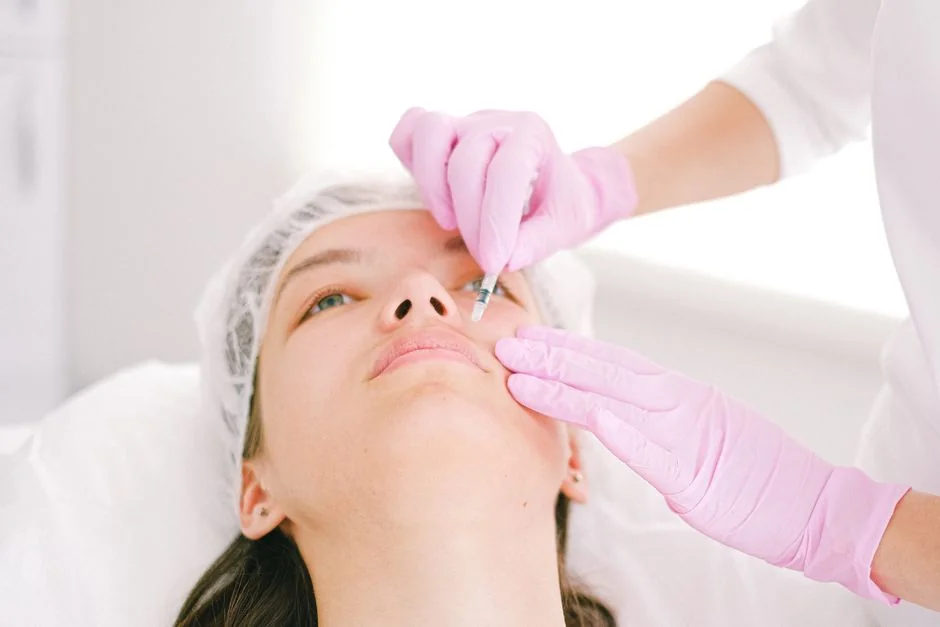
Tokyo filler prices vary considerably depending on the clinic’s location, the brand of product used, and the volume required. Pricing in Japan is typically quoted per syringe (1 ml), rather than per treatment area, so a full facial rejuvenation plan involving multiple areas will usually require more than one syringe.
At BIOTOPE CLINIC, hyaluronic acid filler is priced at ¥66,000–¥88,000 per syringe. This reflects the use of established international brands and administration by or under the supervision of a board-certified plastic surgeon.
If dissolution is needed — for example, to correct a result from a previous clinic, or as a safety measure in the event of a complication — hyaluronidase is available at ¥11,000–¥22,000.
Some patients also enquire about JUVELOOK, a poly-L-lactic acid and HA combination biostimulator available at the clinic at ¥11,000–¥267,300 depending on the treatment plan; this works differently from standard filler by stimulating the skin’s own collagen over time, and is worth discussing at consultation if skin quality improvement (rather than pure volumisation) is your primary goal. This is a treatment available at BIOTOPE CLINIC — feel free to ask about it during a consultation with Dr. Karibe.
| Treatment | Price Range at BIOTOPE CLINIC | Notes |
|---|---|---|
| Hyaluronic acid filler | ¥66,000–¥88,000 per syringe | Standard HA volumisation/contouring |
| JUVELOOK (biostimulator) | ¥11,000–¥267,300 | Collagen stimulation; longer treatment course |
| Hyaluronidase (filler dissolving) | ¥11,000–¥22,000 | Reversal of HA filler |
| Botox Allergan (for combination plans) | ¥22,000–¥148,000 | Dynamic line treatment; separate from filler |
| HIFU (combination skin tightening) | ¥25,000–¥110,000 | Energy-based lifting; complements filler |
| Initial consultation | ¥5,500 | Dr. Karibe surgical consultation ¥3,300 |
For an accurate quote tailored to your anatomy and treatment goals, we recommend booking a consultation.
Have a question about this treatment?
Message us on LINE or WhatsApp — our English-speaking team usually replies the same day.
What to Expect: Before, During, and After Treatment
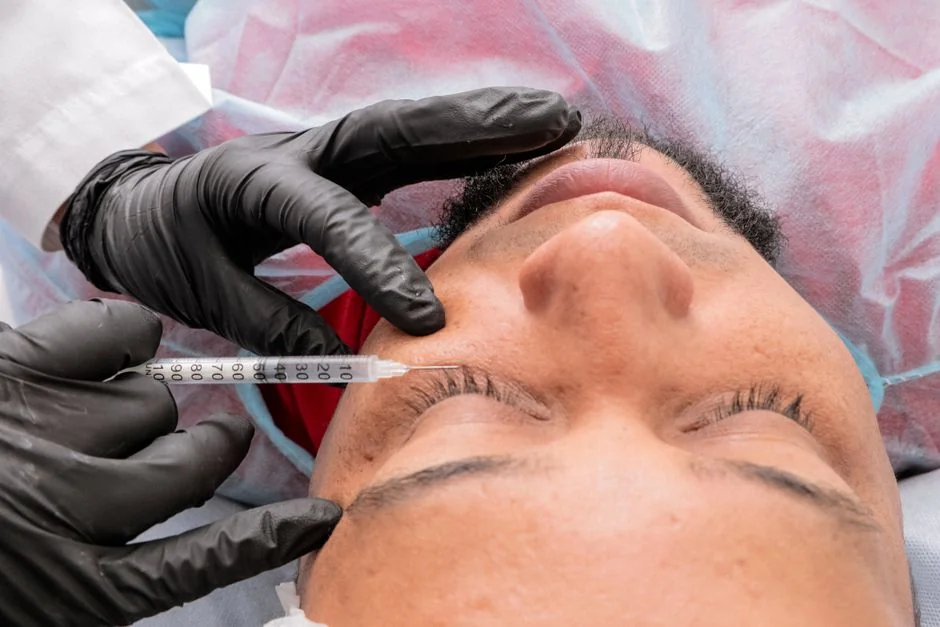
Before
A proper consultation should always precede injection. During this appointment, your practitioner will assess your facial anatomy, discuss your goals, review your medical history, and identify any contraindications.
Photographs are typically taken for comparison. Patients are generally advised to avoid blood-thinning medications (such as aspirin and ibuprofen) and alcohol for several days prior, to reduce bruising risk.
During
A topical anaesthetic cream is applied to the skin before treatment to minimise discomfort. Most HA fillers also contain lidocaine (a local anaesthetic) within the gel itself, which further reduces sensation during injection. The procedure itself usually takes 30–60 minutes depending on the number of areas treated.
After
Mild swelling, redness, and occasional bruising at injection sites are expected and typically resolve within a few days. Patients are advised to avoid vigorous exercise, excessive heat (saunas, hot baths), and alcohol for 24–48 hours post-treatment. Strenuous facial massage should also be avoided for approximately two weeks. Most people return to normal daily activity the same day or the following day.
Who Is a Good Candidate?
Dermal fillers may be suitable for adults who have noticed volume loss in the face associated with the natural ageing process, or who wish to enhance specific features such as lip fullness or cheek definition. Good candidates are in generally good health, have realistic expectations about what a non-surgical treatment can achieve, and understand that maintenance treatments will be needed over time.
Those who should defer or avoid filler treatment include:
- Pregnant or breastfeeding individuals
- Those with active skin infections or inflammatory conditions in the treatment area
- Individuals with known hypersensitivity to HA or lidocaine
- Patients with certain autoimmune conditions (discuss with your doctor)
- Anyone currently taking anticoagulant medication (discuss timing with your physician)
Age is not in itself a disqualifying factor, but fillers are not typically recommended for younger patients (generally under 18) and should always be considered in the context of a patient’s full facial anatomy at any age. A skilled practitioner will sometimes recommend that a patient does not need treatment yet, rather than proceeding unnecessarily.
Where to Get Dermal Fillers in Tokyo (English-Speaking Consultation)
Within our clinic group, English-speaking consultations are handled at BIOTOPE CLINIC in Shirokanedai (Minato-ku, Tokyo) by Dr. Jun Karibe, a board-certified plastic and reconstructive surgeon.
Our sister clinic, Kojimachi Dermatology & Plastic Surgery Clinic in Ichigaya (Chiyoda-ku), focuses on insurance-covered dermatology in Japanese and serves as the group’s main administrative base. English-speaking patients seeking filler consultations, injectable treatments, or any of the cosmetic services described in this guide should direct enquiries to BIOTOPE CLINIC. Bookings and enquiries in English: LINE or WhatsApp.
Frequently Asked Questions
- Q. Is dermal filler treatment painful?
- Most patients describe the sensation as mild to moderate discomfort rather than significant pain. Topical anaesthetic cream is applied before treatment, and most modern HA fillers contain lidocaine within the gel, which reduces the sensation progressively as injection proceeds. Lip treatments tend to be the most sensitive area.
- Q. Can I have filler dissolved if I don’t like the result?
- Yes. Hyaluronic acid filler can be dissolved using an enzyme called hyaluronidase, which breaks down the HA gel quickly. Hyaluronidase is available at BIOTOPE CLINIC for patients who require correction, either following treatment at the clinic or to address previous work done elsewhere.
- Q. How many syringes will I need?
- This depends entirely on your anatomy, the areas being treated, and your aesthetic goals. A single syringe (1 ml) can address one moderate fold or provide subtle lip enhancement; broader facial volumisation typically requires two or more syringes. The only way to receive an accurate recommendation is through an in-person consultation.
- Q. Can I combine filler with other treatments on the same day?
- It is often possible to combine filler with complementary treatments such as Botox on the same visit, and some patients benefit from combining filler with HIFU (high-intensity focused ultrasound) skin tightening as part of a broader rejuvenation plan. Your practitioner will advise on the safest and most effective treatment sequence for your individual case.
- Q. Is filler available on Japanese health insurance?
- No. Cosmetic dermal filler treatments are entirely self-funded (jifuhi) and are not covered by Japanese national health insurance. The sister clinic Kojimachi Dermatology & Plastic Surgery Clinic handles insurance-covered dermatology in Japanese, but cosmetic injectable treatments are exclusively available at BIOTOPE CLINIC on a private basis.
Have a question about this treatment?
Message us on LINE or WhatsApp — our English-speaking team usually replies the same day.
Summary
Hyaluronic acid dermal fillers are a well-established, evidence-supported option for facial volumisation, line reduction, and contouring without surgery.
Results are visible immediately, typically last 9–18 months depending on the area and product, and — critically — are reversible with hyaluronidase if correction is needed.
In Tokyo, pricing varies widely across clinics. At a board-certified plastic surgery clinic such as BIOTOPE CLINIC, HA filler is priced at ¥66,000–¥88,000 per syringe. A consultation (¥5,500 initial fee) is always recommended before proceeding, to ensure the treatment plan is appropriate for your anatomy and goals.
If you have questions about dermal fillers, English-speaking consultations are handled at BIOTOPE CLINIC in Shirokanedai (Minato-ku, Tokyo) by Dr. Karibe.
Our sister clinic Kojimachi Dermatology & Plastic Surgery Clinic in Ichigaya (Chiyoda-ku) handles Japanese-language insurance dermatology. English enquiries: LINE or WhatsApp.
24/7 Consultation & Booking
Book a Consultation or Treatment
Our English-speaking team responds via LINE or WhatsApp — usually the same day.
References
- Rohrich RJ, Ghavami A, Crosby MA. The role of hyaluronic acid fillers in facial aesthetic surgery: an evidence-based review. Plastic and Reconstructive Surgery. 2007.
- Carruthers J, Fagien S, Rohrich RJ, et al. Blindness caused by cosmetic filler injection: a review of cause and therapy. Plastic and Reconstructive Surgery. 2014.
- Wollina U, Goldman A. Hyaluronic acid dermal fillers: safety and efficacy for the treatment of wrinkles, aging skin, body sculpturing and medical conditions. Clinical Medicine Insights: Dermatology. 2020.
- DeLorenzi C. Complications of injectable fillers, part 2: vascular complications. Aesthetic Surgery Journal. 2014.
- Kablik J, Monheit GD, Yu L, et al. Comparative physical and chemical properties of commercial hyaluronic acid dermal fillers. Dermatologic Surgery. 2009.
Related Articles
You may also find these articles useful.
- Lip Filler Tokyo: Cost and Treatment Guide
- Under Eye Filler Tokyo: Risks, Benefits & Costs
- Under Eye Dark Circles Treatment Tokyo: Injections vs Surgery
- Anti-Aging Treatments Tokyo: Complete Guide for Expats
- Beauty Clinic Tokyo: English Consultation Guide
SUPERVISED BY

Dr. Jun Karibe
MD
Director
Education & Career
Certifications
Awards
MEDICAL REVIEW