Laser Skin Treatment in Tokyo: A Practical Guide for English-Speaking Patients
Finding reliable laser skin treatment in Tokyo — and being able to discuss your skin concerns clearly in English — can feel daunting, particularly if you are new to Japan or unfamiliar with the local clinic landscape.
This guide walks you through the most common laser treatments available at English-speaking clinics in Tokyo, what realistic results look like, what they cost, and how to decide whether laser is the right choice for you.
What you’ll learn in this article:
- How different types of medical-grade laser treatments work and what each one treats
- Realistic cost ranges for laser skin treatment in Tokyo, with specific figures
- What downtime and aftercare to expect
- Who makes a good candidate — and who should approach laser with caution
- Where to access English-speaking laser consultations in Tokyo
Have a question about this treatment?
Message us on LINE or WhatsApp — our English-speaking team usually replies the same day.
What Is Laser Skin Treatment?
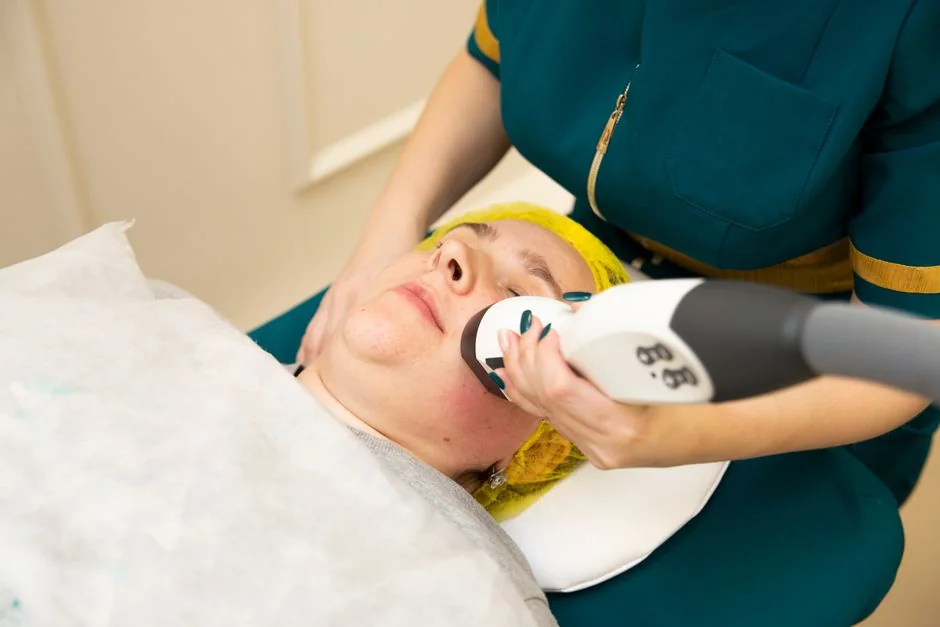
Laser skin treatment uses focused beams of light energy to address a wide range of skin concerns — including pigmentation, acne scars, enlarged pores, sun damage, uneven skin tone, and early signs of ageing.
The term “laser” covers many distinct technologies, each calibrated to different wavelengths, pulse durations, and tissue targets. Choosing the right one for your skin type and concern matters enormously.
In a clinical setting in Tokyo, the lasers most commonly used for cosmetic skin improvement fall into two broad categories: ablative lasers, which remove the outer layers of skin to stimulate fresh collagen growth, and non-ablative lasers, which work beneath the surface without breaking the skin barrier. A third category — picosecond lasers — delivers ultra-short pulses of energy and is widely used for pigmentation correction and tattoo removal.
Common Laser Technologies and What They Target
| Laser Type | Primary Concern | Downtime | Skin Tone Suitability |
|---|---|---|---|
| CO2 Fractional Laser | Acne scars, deep pores, texture | 5–10 days | Fitzpatrick I–IV (caution on darker tones) |
| Picosecond Laser (e.g. PicoWay) | Pigmentation, melasma, tattoo removal | Minimal to 3 days | Broadly suitable; discuss with physician |
| Laser Toning (low-fluence Q-switch) | Diffuse pigmentation, brightening | Minimal (1–2 days) | Particularly popular for Asian skin tones |
| Photofacial / IPL (Stella M22) | Redness, sun spots, vascular lesions | 2–5 days | Best on lighter to medium tones |
How Laser Skin Treatment Works
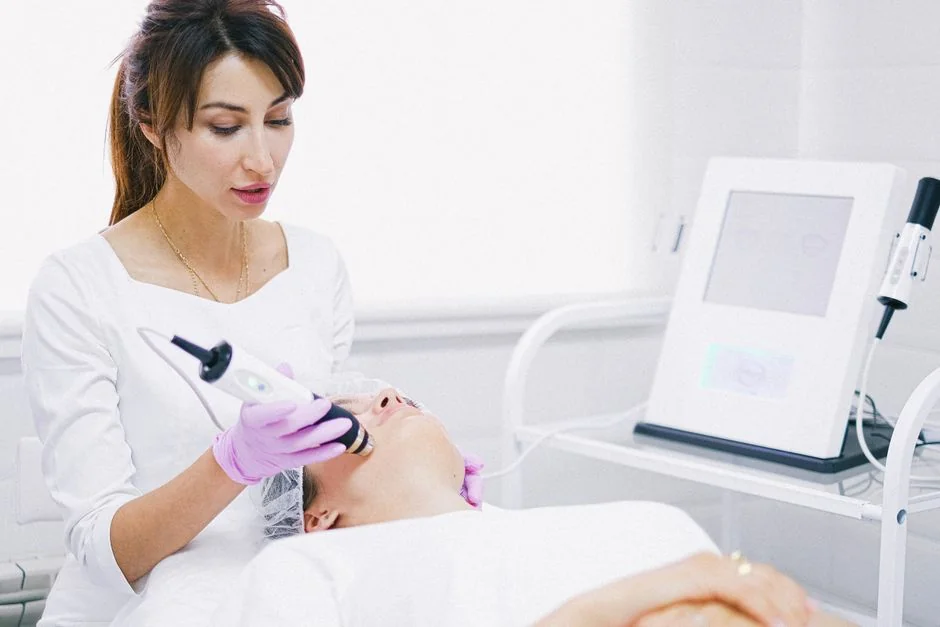
Every laser targets what dermatologists call a chromophore — a substance in the skin that absorbs a specific wavelength of light.
Melanin (the pigment responsible for brown spots and freckles), haemoglobin (in blood vessels), and water (in skin tissue) each absorb different wavelengths.
By tuning the laser to the right wavelength and energy level, a physician can selectively heat and break down the target without damaging surrounding tissue.
Fractional CO2 lasers, for example, create microscopic columns of controlled injury in the skin, which triggers a healing response — new collagen and elastin are produced, gradually resurfacing scars and improving overall texture. Picosecond lasers like the PicoWay platform used at BIOTOPE CLINIC deliver energy in trillionths-of-a-second pulses, shattering pigment particles into fragments small enough for the body’s immune cells to clear naturally. This mechanism makes picosecond technology particularly well-suited to pigmentation that has not responded to other methods.
Laser Toning and the Specific Needs of Asian Skin
Patients with Asian skin tones (Fitzpatrick III–V) require particularly careful laser parameter selection. Higher fluences or inappropriate wavelengths can trigger post-inflammatory hyperpigmentation (PIH) — paradoxically darkening the spots being treated.
Laser toning protocols use repeated low-energy passes to gradually break down superficial melanin without triggering that inflammatory response.
Clinical reports in the dermatological literature indicate that multiple low-fluence sessions produce measurable reduction in melanin index scores in East Asian patients with melasma, typically over a series of six to ten treatments.
Dr. Karibe’s Note
Many of our international patients arrive at BIOTOPE CLINIC having already tried laser abroad and are surprised to find that the treatment protocols used in Japan — particularly for pigmentation on Asian or mixed skin tones — differ meaningfully from those common in the United States or Europe.
Energy settings, the number of passes, and post-treatment care are all adjusted based on individual skin tone and condition. A thorough pre-treatment consultation is not a formality; it is what determines whether you get the result you are hoping for, or a complication that takes months to resolve.
Expected Results and Realistic Outcomes
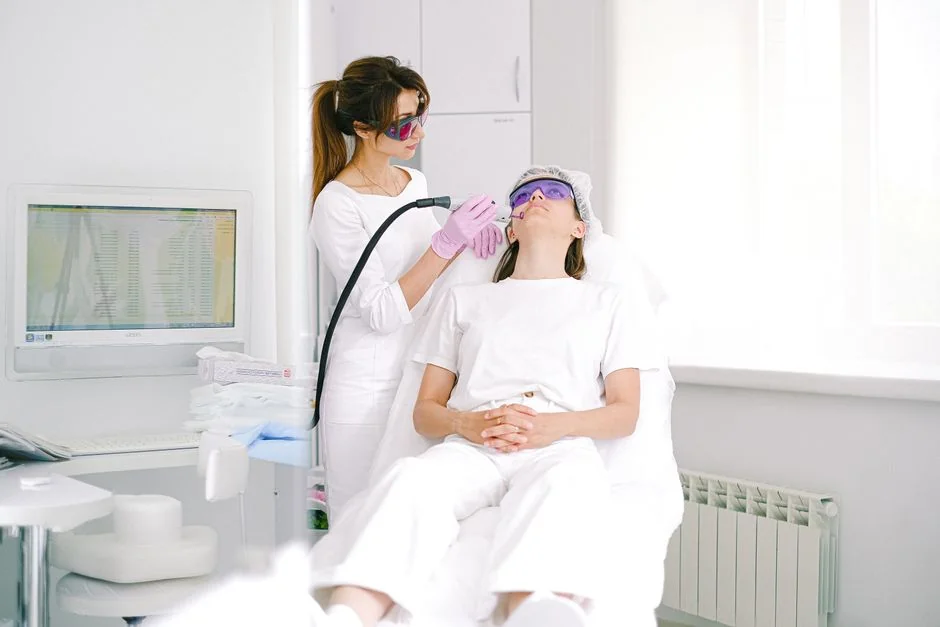
Laser skin treatment can produce visible improvements in pigmentation, scar texture, pore appearance, and skin tone — but results vary based on the technology used, the severity of the concern being treated, the number of sessions, and how well post-treatment care is followed. No responsible clinic will guarantee a specific outcome, and any provider who does should be approached with caution.
For pigmentation and brightening, studies suggest that a series of four to six picosecond laser sessions produces statistically significant reduction in lesion brightness and surface area in patients with solar lentigines (sun spots) and superficial melasma, as measured by reflectance spectrophotometry. For acne scarring, clinical evidence supports a meaningful improvement in scar grade after two to three CO2 fractional sessions, though patients with deep ice-pick scars may require combination approaches. Maintenance sessions are often recommended to sustain results over time.
Laser Skin Treatment Cost in Tokyo
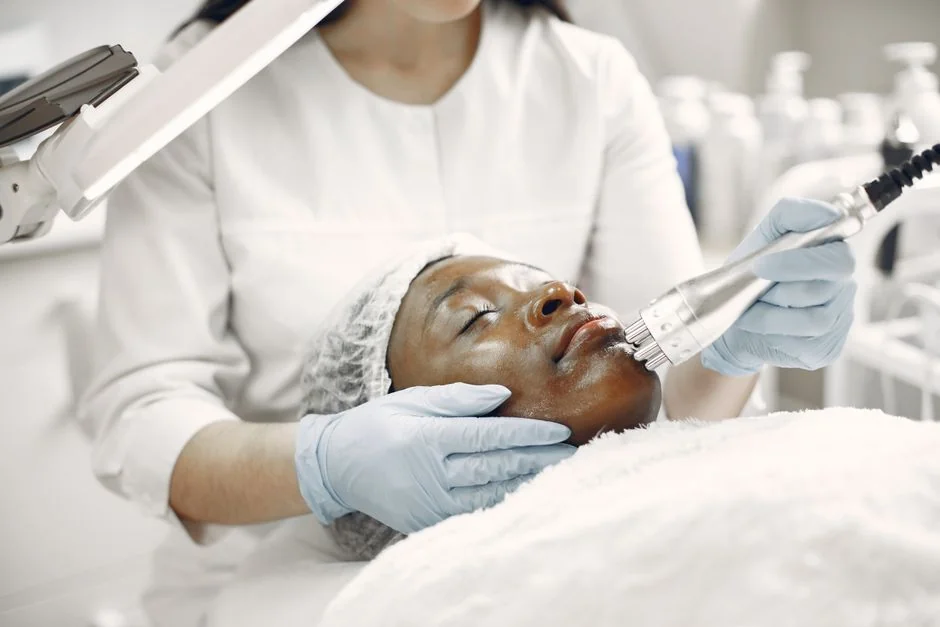
Laser treatment pricing in Tokyo varies by technology, the area treated, and the number of sessions in a course. The following figures reflect the published price schedule at BIOTOPE CLINIC in Shirokanedai:
- Picosecond laser (PicoWay): ¥11,000–¥98,000 per session depending on area and indication
- CO2 fractional laser: ¥11,000–¥66,000 per session
- Laser toning: ¥15,000–¥135,000 (course packages available)
- Photofacial (Stella M22): ¥28,000–¥126,000
It is worth noting that cosmetic laser treatments in Japan are not covered by national health insurance (shakanhoken). Prices quoted above are for self-pay cosmetic treatments. A standard initial consultation at BIOTOPE CLINIC is ¥5500; a surgical or specialist consultation with Dr. Karibe directly is ¥3300. For an accurate quote based on your individual skin concerns and the number of sessions recommended, booking a consultation is the most reliable approach.
Have a question about this treatment?
Message us on LINE or WhatsApp — our English-speaking team usually replies the same day.
What to Expect: Before, During, and After Laser Treatment
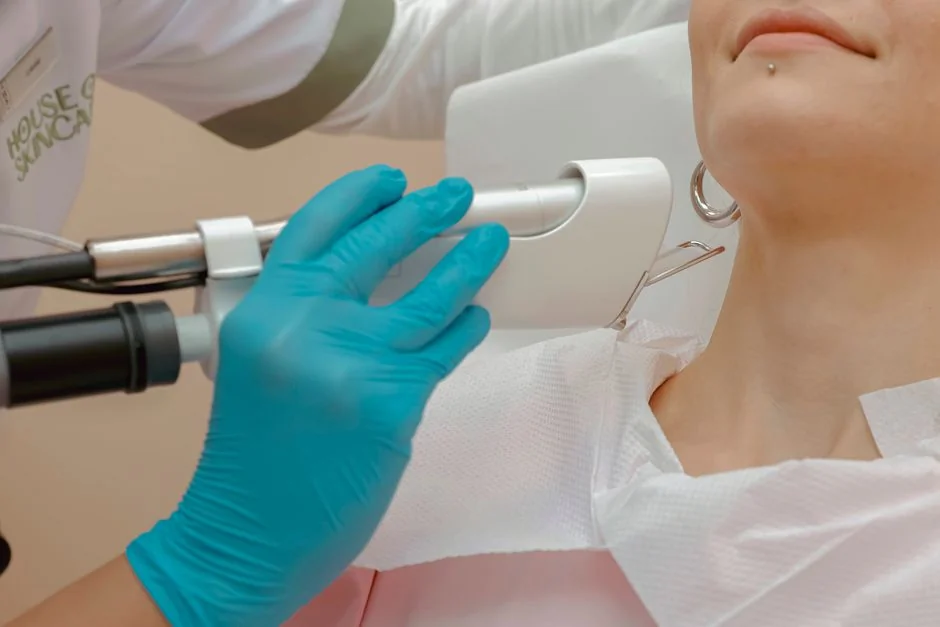
Before Your Session
A thorough skin assessment is conducted before any laser treatment. This typically includes a review of your medical history, current medications, and recent sun exposure. Patients on isotretinoin (Accutane) or photosensitising medications are usually advised to pause treatment before proceeding. Sun protection in the weeks before treatment is strongly recommended, as tanned or sun-damaged skin is at higher risk of adverse reactions.
During the Session
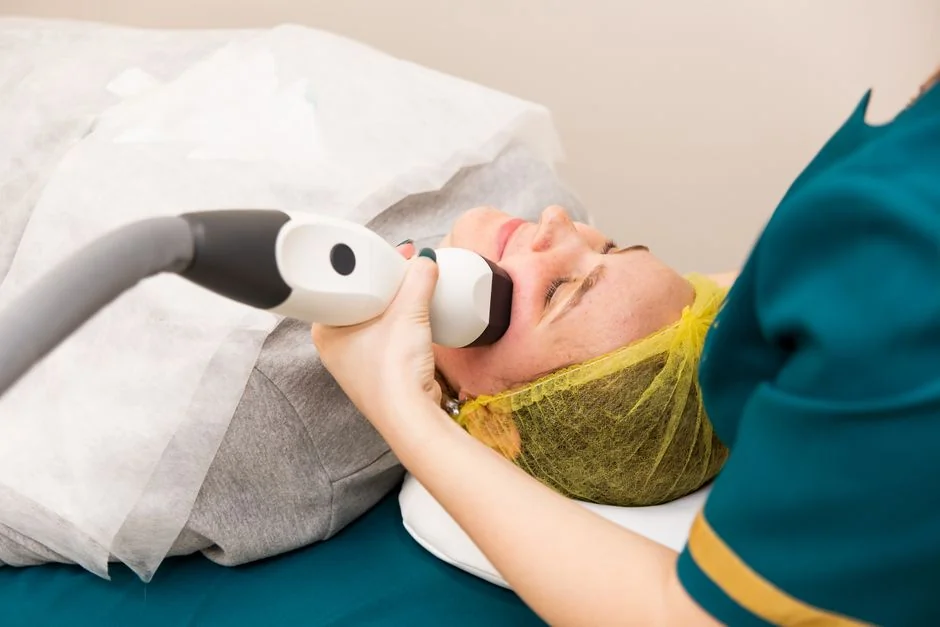
Most laser sessions at a medical cosmetic clinic are performed with a topical anaesthetic cream applied approximately 30–60 minutes beforehand. The session itself typically lasts between 20 and 60 minutes depending on the area and technology. Patients commonly describe the sensation as a mild snapping or heat feeling; picosecond treatments are generally well tolerated, while ablative CO2 sessions involve more noticeable discomfort despite topical numbing.
Aftercare and Downtime
Post-treatment redness, mild swelling, and a feeling of tightness are normal and expected. For non-ablative and picosecond treatments, most patients can return to desk work within 24–48 hours, though the skin should be kept strictly out of direct sunlight and moisturised carefully. CO2 fractional treatment involves a more significant healing period — skin crusting and peeling over five to ten days — and patients should plan accordingly. Sun protection with SPF 50 or higher is non-negotiable for several weeks following any laser procedure.
Who Is a Good Candidate for Laser Skin Treatment?
Laser treatment can benefit a wide range of patients. Good candidates typically include adults with stable pigmentation concerns such as sun spots or melasma, those with post-acne scarring or enlarged pores, and individuals seeking gradual skin brightening and texture improvement. Patients with realistic expectations who understand that results often unfold over a series of sessions — not after a single appointment — tend to have the most satisfactory outcomes.
Laser treatment may not be appropriate for patients who are pregnant or breastfeeding, those with active skin infections or inflammatory conditions at the treatment site, individuals with a history of keloid scarring, or those with very dark skin tones undergoing technologies that carry a higher risk of PIH without careful parameter adjustment. A physician-led consultation is the appropriate setting to determine suitability — there is no universally applicable protocol.
What People Often Get Wrong About Laser Skin Treatment
Misconception 1: “One session is enough.” Many patients assume that a single laser session will resolve their pigmentation or scarring. In reality, most concerns — particularly melasma, acne scars, and diffuse sun damage — require a structured series of sessions spaced weeks apart. The skin needs time to heal and generate new collagen between treatments. A reputable clinic will provide a realistic treatment plan rather than a single-session promise.
Misconception 2: “Stronger is always better.” There is a persistent idea that higher laser energy means faster or more dramatic results. In dermatology, this can be genuinely harmful — particularly on Asian skin tones where excessive energy increases the risk of PIH or hypopigmentation (permanent lightening of treated areas). Experienced laser physicians calibrate treatment parameters conservatively, especially for new patients, and adjust based on skin response over subsequent sessions. In Dr. Karibe’s clinical experience at BIOTOPE CLINIC, some of the most challenging cases to manage are those where patients have previously received aggressive laser treatment at facilities without adequate physician oversight.
Where to Get Laser Skin Treatment in Tokyo (English-Speaking Consultation)
Within our clinic group, English-speaking consultations are handled at BIOTOPE CLINIC in Shirokanedai (Minato-ku, Tokyo) by Dr. Jun Karibe, a board-certified plastic and reconstructive surgeon. Laser treatments including the PicoWay picosecond laser, CO2 fractional laser, laser toning, and photofacial (Stella M22) are available here and can be discussed in detail during an English-language consultation. This is a treatment menu available at BIOTOPE CLINIC in Shirokanedai — feel free to ask about it during a consultation with Dr. Karibe.
Our sister clinic, Kojimachi Dermatology and Plastic Surgery Clinic in Ichigaya (Chiyoda-ku), serves as the group’s main office and focuses on insurance-covered dermatology in Japanese. It is an excellent resource for Japanese-speaking patients requiring insurance-based dermatological care. For English-speaking patients, however, all enquiries and bookings should be directed to BIOTOPE CLINIC. Bookings and enquiries in English: LINE or WhatsApp.
Frequently Asked Questions
- Q. How many laser sessions will I need?
- This depends entirely on the concern being treated and the technology used. Pigmentation concerns such as sun spots may show meaningful improvement after three to five picosecond sessions, while acne scarring typically requires two to four CO2 fractional sessions spaced six to eight weeks apart. A personalised treatment plan will be outlined during your consultation with Dr. Karibe.
- Q. Is laser skin treatment safe for darker skin tones?
- Laser treatment can be safely performed on medium-to-darker skin tones (Fitzpatrick III–V) when the correct technology and parameters are used. Picosecond platforms and low-fluence laser toning protocols are generally better tolerated than older Q-switched or high-fluence ablative lasers on darker skin tones. The key factor is physician experience and careful parameter selection — this is discussed directly during your pre-treatment consultation.
- Q. Can I combine laser treatment with other cosmetic procedures?
- Combination approaches — for example, pairing laser toning with injectable skin boosters or HIFU skin tightening — are common and often produce complementary results. However, the sequencing and timing of combined treatments matters, and not all combinations are appropriate simultaneously. Dr. Karibe can advise on a staged treatment approach during consultation at BIOTOPE CLINIC in Shirokanedai.
- Q. Is the consultation available in English?
- Yes. English-speaking consultations with Dr. Karibe are available at BIOTOPE CLINIC in Shirokanedai, Minato-ku. This is the only location in the clinic group currently offering English-language physician consultations. Enquiries can be made in English via LINE or WhatsApp.
- Q. Will laser treatment remove my melasma permanently?
- Melasma is a chronic, hormonally influenced pigmentation condition that tends to recur — particularly with unprotected sun exposure, hormonal fluctuations, or certain medications. Laser treatment can produce significant lightening, but it is generally considered a management strategy rather than a permanent cure. Ongoing sun protection and maintenance treatments are typically recommended.
Have a question about this treatment?
Message us on LINE or WhatsApp — our English-speaking team usually replies the same day.
Summary
Laser skin treatment in Tokyo covers a broad range of technologies — from picosecond lasers for pigmentation and tattoo removal, to CO2 fractional resurfacing for acne scars, to photofacial treatments for redness and sun damage.
Choosing the right technology, delivered at the right parameters for your skin tone and concern, is the single most important variable in achieving a safe and satisfying outcome.
At BIOTOPE CLINIC in Shirokanedai, the clinic group’s cosmetic and plastic surgery branch, the laser treatment menu includes PicoWay picosecond laser, CO2 fractional laser, laser toning, and Stella M22 photofacial — all available for discussion during an English-language consultation with Dr. Jun Karibe.
Course pricing begins from ¥11,000 per session depending on the technology and area treated, with packages available for multi-session treatments. Initial consultations are ¥5,500.
If you have questions about laser skin treatment, English-speaking consultations are handled at BIOTOPE CLINIC in Shirokanedai (Minato-ku, Tokyo) by Dr. Karibe. Our sister clinic, Kojimachi Dermatology and Plastic Surgery Clinic in Ichigaya (Chiyoda-ku), handles Japanese-language insurance dermatology. English enquiries: LINE or WhatsApp.
24/7 Consultation & Booking
Book a Consultation or Treatment
Our English-speaking team responds via LINE or WhatsApp — usually the same day.
References
- Ee HL, Goh CL, Khoo LS, Chan ES, Ang P. Treatment of acquired bilateral nevus of Ota-like macules (Hori’s nevus) with a combination of the 532 nm Q-switched Nd:YAG laser followed by the 1064 nm Q-switched Nd:YAG laser. Dermatologic Surgery. 2006.
- Brauer JA, Kazlouskaya V, Alabdulrazzaq H, et al. Use of a picosecond pulse duration laser with specialized optic for treatment of facial acne scarring. JAMA Dermatology. 2015.
- Manuskiatti W, Sivayathorn A, Leelaudomlipi P, Fitzpatrick RE. Treatment of acquired bilateral nevus of Ota-like macules with an Q-switched ruby laser. Journal of the American Academy of Dermatology. 2004.
- Wattanakrai P, Mornchan R, Eimpunth S. Low-fluence Q-switched neodymium-doped yttrium aluminium garnet (1,064 nm) laser overtreatment of facial melasma in Asians. Dermatologic Surgery. 2010.
- Habbema L, Verhagen R, Van Hal R, Liu Y, Varghese B. Minimally invasive non-thermal laser technology using laser-induced optical breakdown for skin rejuvenation. Journal of Biophotonics. 2012.
Related Articles
You may also find these articles useful.
- Laser Skin Treatment Tokyo: English-Speaking Clinic Guide
- Sensitive Skin Care Tokyo: English-Speaking Dermatologist
- Melasma Treatment Tokyo: Causes and Solutions
- Acne Treatment at Tokyo Dermatologist: What to Expect
- Skin Clinic Tokyo for Foreigners: Finding English Support
SUPERVISED BY
Dr. Jun Karibe
MD
Director
Education & Career
Certifications
Awards
MEDICAL REVIEW