Laser Skin Treatment in Tokyo: An English-Speaking Clinic Guide
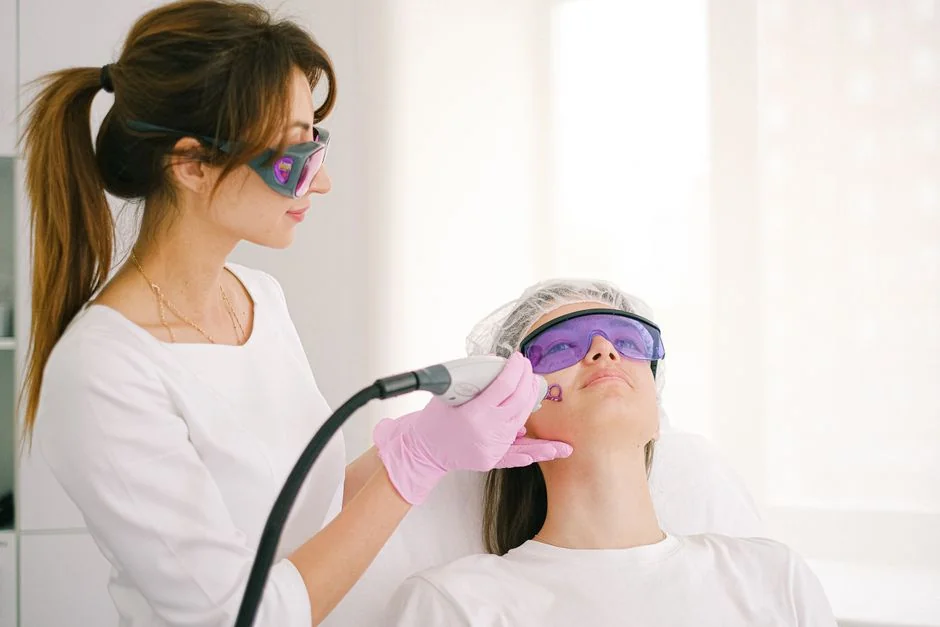
Booking a laser treatment in a country where you do not speak the language is genuinely daunting — you are being asked to consent to something that will change your skin, in a consultation you may only half-follow. That anxiety is reasonable, and it is worth resolving before you sit under the handpiece rather than after.
This guide explains what “laser skin treatment” actually covers in Tokyo, how the main device types differ, what the treatments cost here, and which conditions are paid for by Japanese national health insurance rather than out of pocket.
What you’ll learn in this article:
- The difference between pigment-selective lasers, fractional resurfacing lasers, and low-energy “toning” protocols
- Which laser treatments Japanese national health insurance covers — and which are self-pay
- Realistic cost ranges in Tokyo, taken from a current published price list
- Downtime, session counts, and the honest limits of what one treatment achieves
- Who is a good candidate, and who should postpone or avoid laser entirely
Have a question about this treatment?
Message us on LINE or WhatsApp — our English-speaking team usually replies the same day.
What “Laser Skin Treatment” Actually Means
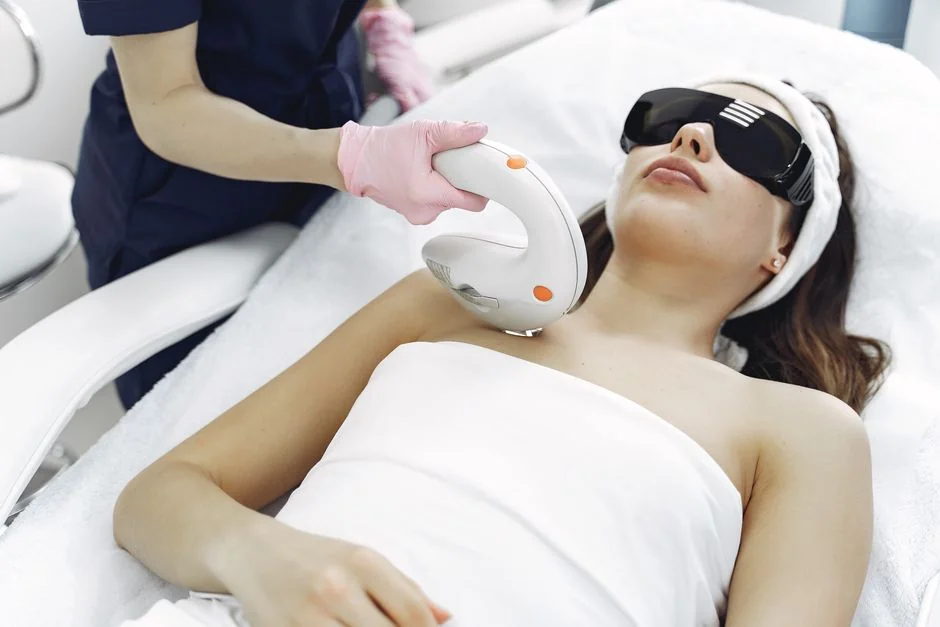
“Laser” is not one treatment.
It is a category of devices that deliver light at a specific wavelength, absorbed preferentially by one target in the skin — melanin, haemoglobin, water, or tattoo ink.
Which target a device is tuned for determines what it can treat. A laser that clears a sun spot is not the same machine, or the same setting, that softens an acne scar.
At BIOTOPE CLINIC in Shirokanedai, patients frequently arrive asking simply for “laser,” expecting a single procedure. Most of the consultation is spent identifying which concern is actually present, because pigmentation, texture, and redness respond to different technologies.
How Laser Skin Treatment Works
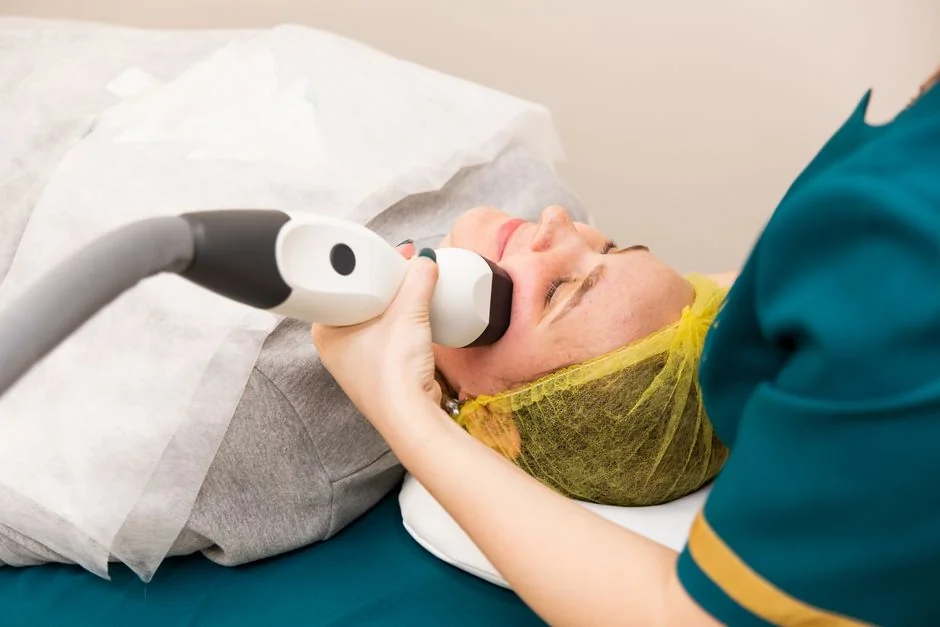
Pigment-selective lasers (picosecond and Q-switched)
These fire extremely short pulses that shatter melanin clusters or tattoo ink without heating surrounding tissue significantly. The fragments are then cleared by the body over subsequent weeks.
The PicoWay system used at BIOTOPE CLINIC is a picosecond platform operating at 532, 730, 785 and 1064 nm. According to the manufacturer’s published product information, it holds FDA and Health Canada clearance for tattoo removal, benign pigmented lesions, melasma, acne scars and wrinkles — clearance ranges differ by wavelength and by regulatory jurisdiction.
Fractional resurfacing lasers (CO2)
A fractional CO2 laser creates microscopic columns of controlled thermal injury, leaving untreated skin between them to speed healing. The wound-repair response remodels collagen, which is why this category is used for atrophic acne scarring and enlarged pores rather than for flat pigment.
Low-energy toning protocols
Laser toning delivers gentler energy across the whole face over a series of sessions, aiming for gradual tone evening rather than removal of a single lesion. It is typically chosen when pigmentation is diffuse or when a condition such as melasma makes aggressive settings risky.
Comparing the Main Laser Options
| Option | Mainly used for | Typical downtime | Sessions usually needed | Payment route in Japan |
|---|---|---|---|---|
| Picosecond spot treatment | Individual sun spots, freckles, tattoo ink | Scab or dressing over the treated spot for roughly 1–2 weeks | Often 1 per lesion, sometimes more | Self-pay (cosmetic) |
| Picosecond toning / laser toning | Diffuse dullness, melasma-type pigmentation | Minimal; usually same-day makeup | Course of multiple sessions | Self-pay |
| Fractional CO2 laser | Atrophic acne scars, pores, texture | Several days of redness, swelling and flaking | Multiple; average 1.7 sessions in one 121-patient series | Self-pay |
| Q-switched laser for birthmarks | Nevus of Ota, ectopic Mongolian spot, traumatic pigmentation | Crusting, then weeks of healing | Repeated over months | Insurance-covered when criteria are met |
| Dye laser for vascular lesions | Port-wine stain, haemangioma, telangiectasia | Bruising for around 1–2 weeks | Repeated courses | Insurance-covered when criteria are met |
Expected Results and Realistic Limits
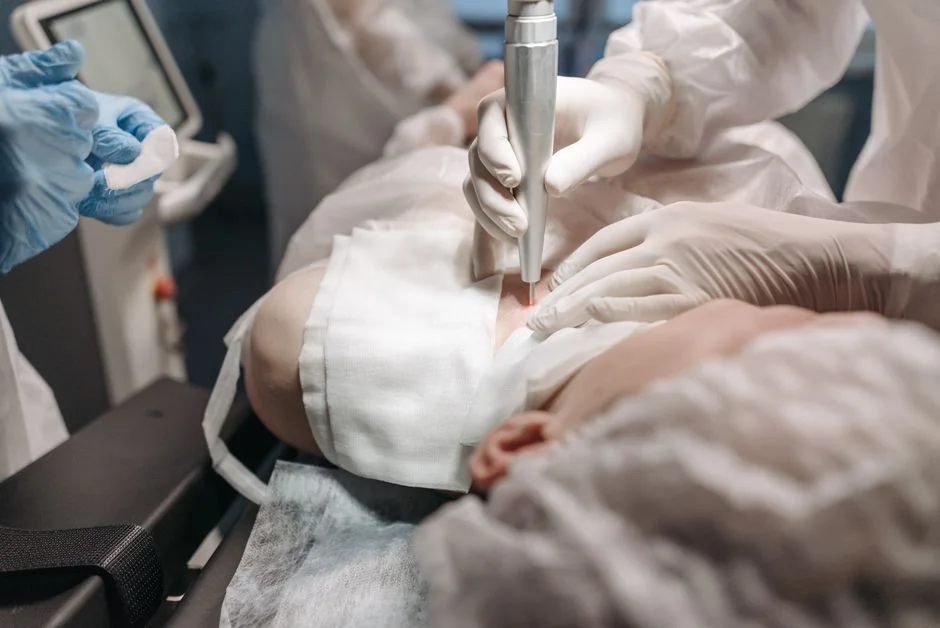
Clinical reports on fractional CO2 laser are a useful reality check. In a retrospective series of 121 patients treated for atrophic acne scars across 206 sessions, moderate to excellent improvement was reached in 50.4% of patients after the first session — meaningful progress, but not clearance, and not for everyone.
That study also found rolling scars responded better than icepick scars, and that higher delivered energy correlated with better outcomes but also with more adverse reactions. Reported side effects included pigmentation change, skin sensitivity, persistent erythema and acneiform eruption.
No responsible clinic can promise a specific result. What a consultation can do is match your scar type or pigment depth to a device and a realistic number of sessions.
Cost of Laser Skin Treatment in Tokyo
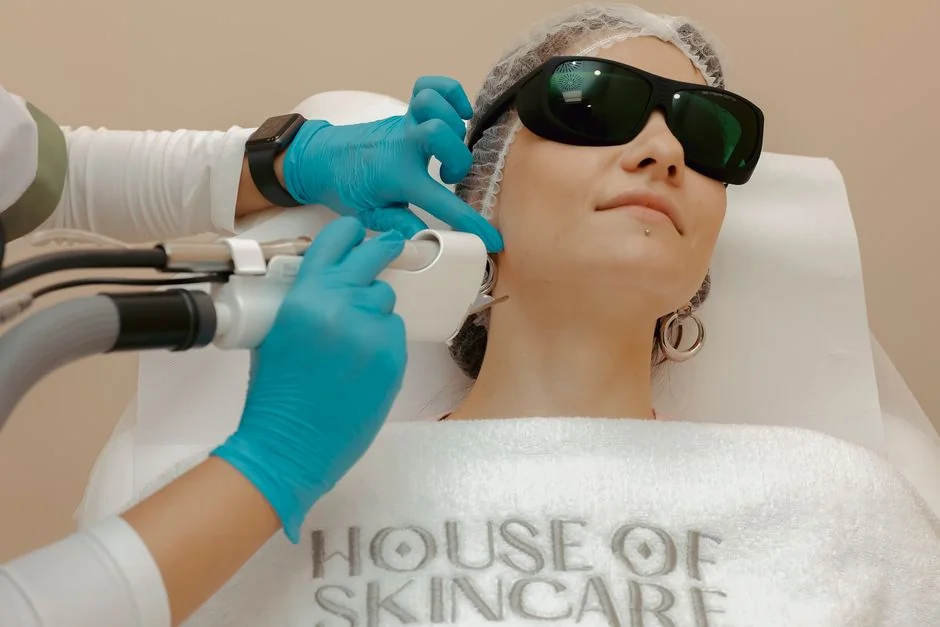
Self-pay cosmetic laser
Cosmetic laser work is not covered by insurance in Japan and is billed privately. The following figures are taken from our group’s currently published price list and include consumption tax.
- Picosecond spot treatment: from 11,000 yen to 98,000 yen depending on lesion size
- Picosecond toning, full face: 25,000 yen
- Picosecond fractional, full face: 33,000 yen
- Laser toning, full face: 15,000 yen per session, or 135,000 yen for a course of ten
- CO2 laser spot removal: 11,000 yen to 55,000 yen per lesion by size
- CO2 laser, full face and neck session: 66,000 yen
Prices are revised periodically, so please check the clinic’s official price page for current figures. For an accurate quote, please book a consultation.
Insurance-covered laser
Where a condition qualifies, Japanese national health insurance reimburses laser therapy under fee-schedule item J054-2. Dye laser irradiation for simple haemangioma, strawberry haemangioma or telangiectasia is set at 2,712 points, while Q-switched laser irradiation ranges from 2,000 points for areas under 4 cm² up to 3,950 points for areas of 64 cm² or more.
Q-switched coverage applies to diagnoses including nevus of Ota, ectopic Mongolian spot and traumatic pigmentation. The schedule also caps ruby laser sessions — five for nevus of Ota, two for flat nevus — and treats a course spanning roughly three months as a single billable episode.
Insured patients pay their standard co-payment share of the point value, not the full amount. Eligibility is a clinical determination made at examination, not something that can be confirmed by email.
Have a question about this treatment?
Message us on LINE or WhatsApp — our English-speaking team usually replies the same day.
What to Expect, and Who Is a Good Candidate
Before, during and after
Expect a consultation covering your medication history, recent sun exposure, pregnancy status, any history of keloid scarring, and prior treatments. Photographs are usually taken for comparison.
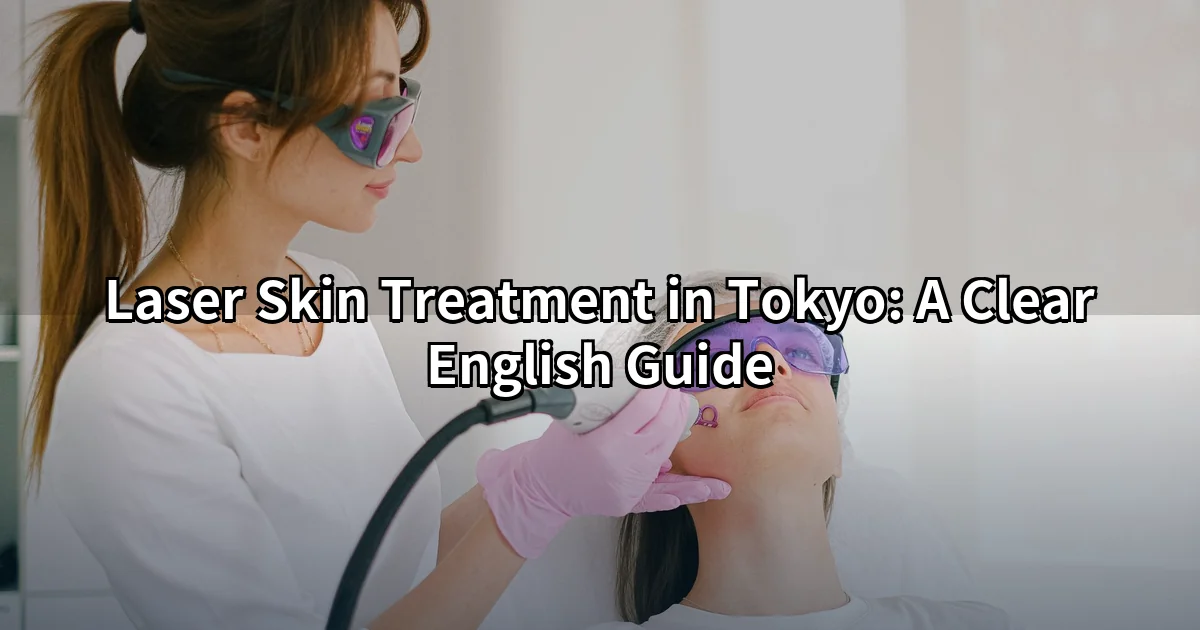
Treatment itself is short — often 10 to 30 minutes for a facial protocol — with topical anaesthetic for stronger settings. Sensation is commonly described as a rubber-band snap or brief heat.
Aftercare is where results are won or lost. Strict daily sun protection, gentle cleansing, and avoiding picking at crusts all reduce the risk of pigment rebound.
Good candidates
You are likely a reasonable candidate if you have a clearly defined concern, stable skin, realistic expectations about session numbers, and the flexibility to accommodate downtime and sun avoidance.
Who should postpone or avoid it
Laser is generally deferred during pregnancy and breastfeeding, on actively infected or inflamed skin, and while taking photosensitising medication or recent oral isotretinoin. A history of keloid or hypertrophic scarring warrants particular caution with ablative devices.
Critically, any pigmented lesion that is changing in size, colour, border or symmetry needs a diagnostic assessment before any laser is considered — never treat an undiagnosed lesion cosmetically.
What People Often Get Wrong
Misconception 1: “All laser treatment in Japan is cosmetic and self-pay.” This is not accurate. Japan’s medical fee schedule explicitly reimburses cutaneous laser irradiation therapy for defined vascular and pigmented conditions under item J054-2, including nevus of Ota, ectopic Mongolian spot, traumatic pigmentation and port-wine stain. The dividing line is diagnosis, not device — age spots, melasma and rejuvenation remain private.
Misconception 2: “Asian or darker skin can’t have laser because of the pigmentation risk.” Post-inflammatory hyperpigmentation is a real and common complication, but a 2023 review of prevention after CO2 laser reported that the difference in PIH incidence by Fitzpatrick skin type was not statistically significant in any of the studies it examined. The same review found prophylaxis mattered considerably — in one trial, clobetasol propionate 0.05% was associated with 39% PIH versus 75% with petroleum jelly. Technique, settings and aftercare protocol appear to carry more weight than skin type alone.
Where to Get Laser Skin Treatment in Tokyo
Within our clinic group, English-speaking consultations are handled at BIOTOPE CLINIC in Shirokanedai (Minato-ku, Tokyo) by Dr. Jun Karibe. Our sister clinic Kojimachi Dermatology & Plastic Surgery Clinic in Ichigaya handles Japanese-language insurance dermatology. Bookings and enquiries in English: LINE or WhatsApp.
PicoWay picosecond laser and CO2 fractional laser are both available at BIOTOPE CLINIC in Shirokanedai — feel free to ask about either during a consultation with Dr. Karibe. For visitors on a short trip to Tokyo, it is worth raising your travel dates early, since downtime and sun exposure need to be planned around.
Frequently Asked Questions
- Q. Can I have laser treatment if I only speak English?
- Yes. Within our group, English-language consultations take place at BIOTOPE CLINIC in Shirokanedai, where Dr. Karibe consults. Consent forms and aftercare instructions are explained in English before anything is scheduled.
- Q. Will my Japanese health insurance cover it?
- Only for specific diagnoses. The fee schedule covers laser for conditions such as nevus of Ota, ectopic Mongolian spot, traumatic pigmentation and certain vascular birthmarks, with defined session limits. Cosmetic concerns such as age spots and general rejuvenation are self-pay.
- Q. How many sessions will I need?
- It depends entirely on the concern. A single discrete sun spot may need one picosecond session, whereas acne scarring and diffuse pigmentation typically require a planned course — one 121-patient series averaged 1.7 fractional CO2 sessions per patient, with better results after more than one.
- Q. Is there anything I must do afterwards?
- Daily sun protection is non-negotiable, and any crusting must be left alone rather than picked. Follow the specific topical regimen you are given, since prophylactic aftercare has been shown to meaningfully reduce pigmentation rebound.
Have a question about this treatment?
Message us on LINE or WhatsApp — our English-speaking team usually replies the same day.
Summary
Laser skin treatment in Tokyo spans several distinct technologies, and choosing well starts with an accurate diagnosis rather than a device name. Picosecond lasers address pigment and ink, fractional CO2 addresses scarring and texture, and toning protocols work gradually across the whole face.
Costs are transparent and published, but they vary by lesion size and by whether your condition qualifies for insurance coverage under Japan’s fee schedule. Results are real but incremental, and aftercare materially affects the outcome.
If you have questions about laser skin treatment in Tokyo, English-speaking consultations are handled at BIOTOPE CLINIC in Shirokanedai (Minato-ku, Tokyo) by Dr. Karibe. Our sister clinic Kojimachi Dermatology & Plastic Surgery Clinic in Ichigaya (Chiyoda-ku) handles Japanese-language insurance dermatology. English enquiries: LINE or WhatsApp.
24/7 Consultation & Booking
Book a Consultation or Treatment
Our English-speaking team responds via LINE or WhatsApp — usually the same day.
References
- Li B, Ren K, Yin X, She H, Liu H, Zhou B. Efficacy and adverse reactions of fractional CO2 laser for atrophic acne scars and related clinical factors: A retrospective study on 121 patients. Journal of Cosmetic Dermatology. 2022;21(5):1989–1997.
- Bin Dakhil A, Shadid A, Altalhab S. Post-inflammatory hyperpigmentation after carbon dioxide laser: review of prevention and risk factors. Dermatology Reports. 2023;15(4):9703.
- Ministry of Health, Labour and Welfare. Medical Fee Schedule (Ika Shinryo Hoshu Tensuhyo), Item J054-2, Cutaneous Laser Irradiation Therapy. 2024 revision.
- Tsuchida T. Laser treatment in the 2020 medical fee schedule revision. Journal of Japan Society for Laser Surgery and Medicine. 2020;41(1):53–82.
- Candela Corporation. PicoWay Laser System: cleared indications, wavelengths and product information. Manufacturer product documentation, 2025.
Related Articles
You may also find these articles useful.
- Dark Spot Removal Tokyo: Laser Treatment Options
- Acne Scar Laser Treatment Tokyo: Cost and Real Results
- PicoWay Laser Tokyo: Pigmentation and Tattoo Removal
- Skin Treatments in Tokyo: HIFU, Laser, Peel & HydraFacial — Downtime, Pain & Flying Guide
- English Speaking Dermatologist Tokyo: Complete Guide
SUPERVISED BY
Dr. Jun Karibe
MD
Director
Education & Career
Certifications
Awards