FaceTite in Tokyo: A Complete Guide to RF-Assisted Lipolysis for Facial Contouring
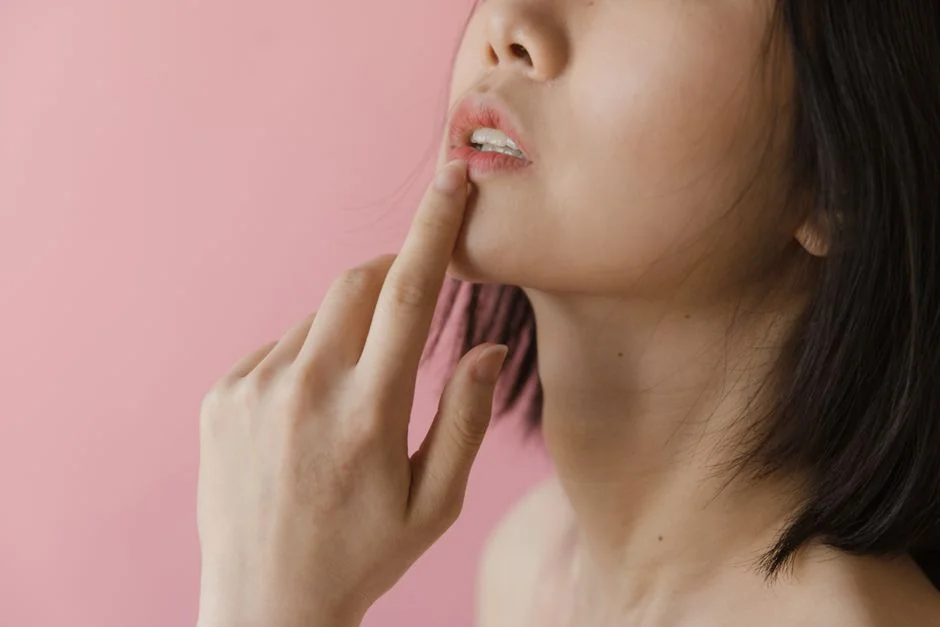
If you have reached the point where a softening jawline and a fuller under-chin no longer respond to skincare, weight loss, or non-invasive tightening devices, you are not imagining it — and you are not alone. Many people in their forties and fifties fall into what plastic surgeons call the “treatment gap”: too much laxity for a HIFU or radiofrequency facial to fully address, but not enough to justify a facelift.
FaceTite, a radiofrequency-assisted lipolysis (RFAL) device made by InMode, was designed specifically for this group. This guide explains how it works, what the published evidence actually shows, what recovery involves, and how to think about cost and candidacy in Tokyo.
What you’ll learn in this article:
- What FaceTite is, and how bipolar radiofrequency melts fat and contracts skin at the same time
- What the peer-reviewed literature reports — including a 247-patient study and a critical systematic review
- Realistic downtime, aftercare, and how long results take to settle
- Cost considerations in Tokyo, and why published facial pricing is limited
- Who is a strong candidate, and who should choose a different procedure
Have a question about this treatment?
Message us on LINE or WhatsApp — our English-speaking team usually replies the same day.
What Is FaceTite?
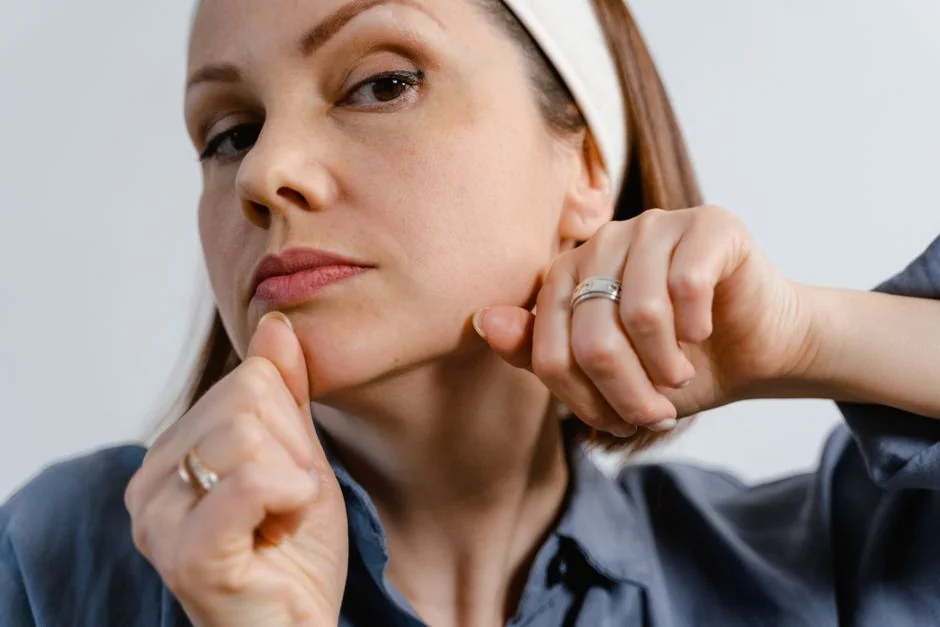
FaceTite is a minimally invasive device that delivers bipolar radiofrequency energy beneath the skin through a thin cannula. It is one of several applicators — alongside AccuTite for very small areas and BodyTite for the body — that run on InMode’s IgniteRF and related platforms.
According to InMode’s official product documentation, the FaceTite IgniteRF applicator is “indicated for dermatological and general surgical procedures where contraction of soft tissue or hemostasis is needed.” The same platform covers treatment depths described by the manufacturer as ranging “from 0.5mm to 60mm,” depending on the applicator used.
It is important to read that indication wording carefully. The cleared indication is phrased in terms of soft-tissue contraction and haemostasis — not as a cosmetic claim about jawlines. The aesthetic result is a downstream effect of that tissue contraction.
FaceTite versus EmbraceRF
In practice, FaceTite is frequently performed as part of a combination protocol. InMode launched EmbraceRF in June 2018, describing it as “a powerful combination of InMode’s proprietary technologies: FaceTite and Morpheus8” — the first working in the subdermal fat layer, the second delivering fractional radiofrequency through microneedles into the dermis above it.
The company’s launch announcement described the target patient as someone “not having bad enough skin for a facelift and not good enough skin elasticity for liposuction,” positioning the combination as a “45 minute procedure under local anesthesia in the office” with “only a down time of 48 hours, or a long weekend.” Real-world recovery, as discussed below, is usually somewhat longer than that marketing figure suggests.
How FaceTite Works: The Physics Beneath the Skin

Radiofrequency energy heats tissue by driving rapid oscillation of charged particles, which generates friction and therefore heat. In a bipolar configuration, current flows between two electrodes — in FaceTite’s case, an internal cannula placed in the subcutaneous plane and an external electrode gliding on the skin surface — so the energy is confined to the tissue between them rather than dispersing through the body.
That confinement is what allows two effects at once. Adipocytes (fat cells) are damaged by sustained heat, while the fibrous septae — the collagen-rich connective strands that tether skin to deeper structures — contract and later remodel.
Temperature control is the safety mechanism
Swanson’s 2022 systematic review in Annals of Plastic Surgery summarises the thermal parameters reported across the subsurface RF literature: subcutaneous tissue heated to approximately 65°C while epidermal temperature is limited to around 40°C, with probe tip temperatures in the range of 70°C to 80°C and external cut-offs typically between 35°C and 43°C.
The device’s real-time temperature feedback and automatic cut-off are therefore not a convenience feature — they are the primary defence against skin burns and nerve injury. This is also why operator experience with facial anatomy matters more than the device brand itself.
Expected Results: What the Published Evidence Shows

The largest published evaluation of this combination approach is a multicentre retrospective study by Dayan and colleagues, published in Plastic and Reconstructive Surgery – Global Open in 2020. It reviewed 247 patients (234 women, 13 men) treated between January 2013 and December 2018 with bipolar RF (FaceTite) combined with fractional bipolar RF.
Average patient age was 55.1 years. Clinical reports from that study indicate patients “objectively improved their Baker Face/Neck Classification score by 1.4 points,” and that “ninety-three percent of patients indicated satisfaction and would undergo the procedure again.” Notably, the authors observed that older patients demonstrated larger treatment effects than younger ones.
A separate prospective series by Tettamanzi and colleagues in Aesthetic Plastic Surgery (2024) followed 80 patients who underwent neck liposuction with FaceTite RF technology alongside buccal fat pad excision. The authors report that “the average reduction in submental length measured 23 mm during the 6-month follow-up period.” That study is graded Level of Evidence IV, meaning it is an uncontrolled case series rather than a randomised trial.
Reading the evidence honestly
Swanson’s systematic review is deliberately sceptical and worth weighing. Across 30 articles reviewed, 23 (77%) involved InMode devices, the median study size was 25 patients (range 9–745), and the review identified no prospective randomised controlled trials. It also notes that 77% of the included studies were published by authors with a known conflict of interest.
Satisfaction figures in that review were more modest than manufacturer-linked series: 68% satisfied in one study, 64% in another, with 21% of patients in a third considering their results poor or unchanged. The review also cites RealSelf “Worth It” ratings of 77% for FaceTite and 76% for BodyTite, against 91–99% for surgical alternatives.
The reasonable conclusion is that RF-assisted lipolysis produces real but moderate improvement, that satisfaction is high in well-selected patients, and that it is not a substitute for a facelift in someone with significant skin excess.
Comparing FaceTite With Other Contouring Options in Tokyo

The table below compares FaceTite with the main alternatives a Tokyo patient is likely to be weighing. Downtime and longevity figures reflect what is reported in the sources cited in this article and in the treating clinic’s own procedure documentation; individual experience varies.
| Option | Invasiveness | Addresses fat? | Addresses skin laxity? | Typical downtime | Best suited to |
|---|---|---|---|---|---|
| FaceTite (RFAL) | Minimally invasive; small entry points, local anaesthesia | Yes — subdermal fat coagulation | Yes — septal and dermal contraction | Swelling peaks day 1; settles over 1–2 weeks; residual oedema up to ~3 months | Mild-to-moderate laxity with localised submental or jowl fat |
| Morpheus8 (RF microneedling) | Non-surgical, needle-depth only | Minimal | Yes — dermal remodelling | Redness and pinpoint marks for several days | Skin texture, fine laxity, acne scarring; often combined with FaceTite |
| HIFU | Non-invasive | Limited | Mild-to-moderate lifting | Essentially none | Early laxity; patients unwilling to accept any downtime |
| Thread lift | Minimally invasive | No | Repositioning rather than tightening | Several days of swelling and tenderness | Mild jowling where volume, not fat, is the issue |
| Facelift / neck lift | Surgical, excisional | Yes | Yes — removes excess skin | Two to several weeks | Significant skin excess and platysmal banding |
At BIOTOPE CLINIC in Shirokanedai, we frequently see patients who have already tried two or three non-invasive tightening courses and are frustrated that the improvement fades within months. For that specific profile — persistent submental fullness with skin that still has reasonable elasticity — a subdermal approach often makes more sense than another surface-level device cycle.
Cost of FaceTite in Tokyo
FaceTite is a self-pay (自由診療) cosmetic procedure in Japan. It is not covered by Japanese national health insurance, and it will not be reimbursed by the standard insurance card.
Within this clinic group, the published price list for the Embrace RF platform (last updated 1 October 2023) lists ¥330,000 tax included for the upper arm and ¥330,000 tax included for the abdomen (upper or lower). Facial and submental areas are not itemised as separate line items on that published list.
Because facial FaceTite pricing is not published as a fixed figure, no specific yen amount for jawline or under-chin treatment is quoted here. Please see the clinic’s official price page or contact us for a current quote.
Several factors legitimately move the final figure: the number of anatomical zones treated, whether Morpheus8 is layered on top in the same session, whether intravenous sedation is added to local anaesthesia, and whether follow-up visits or garments are bundled. Ask for the total, not the per-zone figure.
For an accurate quote, please book a consultation.
Have a question about this treatment?
Message us on LINE or WhatsApp — our English-speaking team usually replies the same day.
What to Expect: Before, During and After
The procedure itself
Treatment is carried out under local anaesthesia, with intravenous sedation available as an option. Procedure time runs approximately 30 to 90 minutes depending on how large an area is treated, and most patients notice a result after a single session, though additional treatment may be advised depending on the individual presentation.
Access is through entry points of only a few millimetres. A fine cannula is passed into the subdermal plane and RF energy is delivered while the device monitors temperature continuously.
Recovery week by week
Immediately afterwards, the treated area is supported with a face band or compression garment. Showering is generally possible from the following day, and for facial treatment, makeup is generally possible from the following day.
Swelling peaks on day one and eases over roughly one to two weeks. Desk-based work is typically resumed within a few days to a week. Alcohol should be avoided for three days after the procedure, hot baths avoided for a period, and exercise resumed only once the doctor has cleared it.
Residual puffiness and minor side-to-side asymmetry generally settle over approximately three months as collagen remodelling completes. Patients who expect the final result at two weeks are usually disappointed; patients who reassess at three months usually are not.
Risks and side effects
The treating clinic’s own procedure documentation lists the following possible effects: swelling, bruising, oedema, asymmetry, numbness, firmness or nodules, minor burns, infection, nerve injury, and skin surface irregularity.
Published complication data give a sense of frequency. In the 247-patient Dayan series, prolonged swelling beyond six weeks occurred in 4.8% (12/247), a hardened area persisting beyond twelve weeks in 3.2% (8/247), and marginal mandibular neuropraxia — temporary weakness of the nerve controlling the lower lip — in 1.2% (3/247), all of which resolved without intervention.
Swanson’s review reports a higher overall figure from a larger cohort: Cook and colleagues, reviewing 745 patients, reported 19% adverse events, roughly half of which were prolonged swelling. Induration and palpable nodules were the most frequently reported complication across studies, occasionally persisting beyond one year. No procedure that delivers heat under the skin is risk-free.
Who Is a Good Candidate — and Who Is Not
The strongest candidates share a specific profile: mild to moderate skin laxity along the jawline or under the chin, a discrete pocket of subcutaneous fat, and skin that still retains meaningful elastic recoil. Interestingly, the Dayan data suggest older patients showed larger treatment effects, so age alone is not disqualifying.
FaceTite is generally a poor fit for those with substantial excess skin that would need to be excised, prominent platysmal bands, sagging driven by deep volume loss rather than fat excess, or an expectation of facelift-equivalent results. In these cases, a surgical consultation is the more honest recommendation.
You should also raise it with the doctor if you have a pacemaker or other implanted electronic device, metal implants in the treatment field, an active skin infection, a bleeding or clotting disorder, poorly controlled diabetes, a keloid tendency, or if you are pregnant or breastfeeding. Certain of these are absolute contraindications; others simply change the plan.
Combination planning
Because FaceTite works below the skin and Morpheus8 works within it, the two are often planned together in one session. HIFU and Volnewmer are also available as non-invasive alternatives for patients who cannot accept downtime. These are treatments available at BIOTOPE CLINIC in Shirokanedai — feel free to ask about them during a consultation with Dr. Karibe.
What People Often Get Wrong About FaceTite
Misconception 1: “FDA-cleared means it’s approved in Japan”
These are entirely separate regulatory systems, and conflating them is one of the most common errors in English-language clinic content. A US FDA 510(k) clearance says nothing about a device’s status under Japan’s Pharmaceuticals and Medical Devices Act.
InMode’s own product page states plainly that “Approved intended use varies by country; please check with local providers or representatives.” Separately, InMode announced on 17 July 2024 an additional FDA clearance covering “the use of the Morpheus8 Applicators for the delivery of fractional radiofrequency use in dermatologic skin procedures where coagulation/contraction of soft tissue or hemostasis is needed” — again, a US clearance specifically.
Medical advertising and self-pay treatment in Japan are governed by the Ministry of Health, Labour and Welfare’s medical advertising rules. Any patient considering a device-based cosmetic procedure here should ask the treating clinic directly to confirm the device’s regulatory status in Japan and to provide the disclosures required for self-pay care. A clinic that answers this question clearly is a good sign.
Misconception 2: “It’s a non-surgical facelift with no real downtime”
The “48 hours of downtime” figure originates from InMode’s 2018 launch announcement, and it is a best-case marketing description rather than a clinical average. Real recovery documentation from the treating clinic describes swelling peaking the day after, easing over one to two weeks, with residual oedema and asymmetry settling over about three months.
Equally, this is not a facelift. Swanson’s review found no randomised controlled trials in this literature and reported patient satisfaction in the 64–68% range in independent series, compared with 91–99% “Worth It” ratings for surgical alternatives. FaceTite is a genuine option within its window — it is simply a narrower window than the marketing implies.
Where to Get FaceTite in Tokyo
Within our clinic group, both BIOTOPE CLINIC (Shirokanedai, Minato-ku) and Kojimachi Dermatology & Plastic Surgery Clinic (Ichigaya, Chiyoda-ku) offer English-language consultation with Dr. Jun Karibe’s team. FaceTite and RF-assisted facial contouring are handled at BIOTOPE CLINIC (Shirokanedai, Minato-ku). Bookings and enquiries in English: LINE or WhatsApp.
The two clinics are sister branches of the same medical group, directed by Dr. Jun Karibe, a plastic surgeon certified by the Japan Society of Plastic and Reconstructive Surgery. Kojimachi handles insurance-covered general dermatology — eczema, acne, rashes, warts, moles — alongside general and aesthetic plastic surgery, while BIOTOPE in Shirokanedai covers cosmetic dermatology, cosmetic and plastic surgery, injectables and device treatments, regenerative medicine, artmake, and men’s health.
For international patients, one practical note: because results continue settling for roughly three months, it is worth planning a consultation and a follow-up window rather than treating a single short visit as the whole journey.
Frequently Asked Questions
- Q. How long do FaceTite results last?
- The fat cells treated are permanently reduced, but skin continues to age normally afterwards. Published follow-up in the main studies runs six to twelve months, so long-term durability beyond that is not well established in the peer-reviewed literature.
- Q. Will I need more than one session?
- Most patients notice a result after a single treatment, and the clinic’s documentation indicates one session is usually sufficient. Additional treatment may be recommended depending on your individual anatomy and goals.
- Q. Is FaceTite painful?
- The procedure is performed under local anaesthesia, with intravenous sedation available as an option for patients who prefer it. Most discomfort afterwards is described as tightness and soreness rather than sharp pain, and settles alongside the swelling.
- Q. Can I fly home a few days after treatment?
- Many patients return to desk work within a few days to a week, but swelling peaks on day one and bruising may be visible for one to two weeks. Discuss your travel dates during the consultation so the timing can be planned realistically.
- Q. Is it covered by Japanese health insurance?
- No. FaceTite is a cosmetic, self-pay procedure and is not covered by Japanese national health insurance. Insurance-covered dermatological conditions are handled separately at the Kojimachi branch.
Have a question about this treatment?
Message us on LINE or WhatsApp — our English-speaking team usually replies the same day.
Summary
FaceTite occupies a specific and legitimate niche: subdermal radiofrequency that reduces localised facial fat while contracting the fibrous support of the skin, aimed at patients who sit between non-invasive devices and a facelift.
The published evidence — a 247-patient combination series reporting 93% satisfaction and a 1.4-point Baker score improvement, and an 80-patient prospective series reporting an average 23 mm reduction in submental length at six months — supports meaningful, moderate improvement.
It also supports realism. Independent review of this literature found no randomised controlled trials, satisfaction rates in the 64–68% range in some series, and adverse events including prolonged swelling and persistent nodules. The right decision depends far more on whether your anatomy fits the indication than on the device name.
If you have questions about FaceTite and RF-assisted facial contouring, both BIOTOPE CLINIC (Shirokanedai, Minato-ku) and Kojimachi Dermatology & Plastic Surgery Clinic (Ichigaya, Chiyoda-ku) offer English-language consultation with Dr. Karibe and his team. FaceTite is primarily handled at BIOTOPE CLINIC in Shirokanedai. English enquiries: LINE or WhatsApp.
24/7 Consultation & Booking
Book a Consultation or Treatment
Our English-speaking team responds via LINE or WhatsApp — usually the same day.
References
- Dayan E, Rovatti P, Aston S, Chia CT, Rohrich R, Theodorou S. Multimodal Radiofrequency Application for Lower Face and Neck Laxity. Plastic and Reconstructive Surgery – Global Open. 2020;8(8):e2862.
- Swanson E. A Systematic Review of Subsurface Radiofrequency Treatments in Plastic Surgery. Annals of Plastic Surgery. 2022;89(3):274–285.
- Tettamanzi M, Muratore G, Arrica G, Cuomo R, Beatrici E, Ginatempo I, Trignano C, Rubino C, Trignano E. Advancements in Face and Neck Contouring: Integrating Radiofrequency-Assisted Liposuction with FaceTite and Buccal Fat Pad Excision for Facial Slimming. Aesthetic Plastic Surgery. 2024;48(22):4667–4674.
- Hurwitz D, Smith D. Treatment of Overweight Patients by Radiofrequency-Assisted Liposuction (RFAL) for Aesthetic Reshaping and Skin Tightening. Aesthetic Plastic Surgery. 2012;36:62–71.
- Ministry of Health, Labour and Welfare (Japan). Advertising regulations for hospitals and clinics under the Medical Care Act (医療法における病院等の広告規制について). https://www.mhlw.go.jp/
Related Articles
You may also find these articles useful.
- FaceTite for Jawline and Neck in Tokyo
- FaceTite Tokyo: RF-Assisted Lipolysis for Facial Contouring
- FaceTite Tokyo: RF-Assisted Lipolysis Facial Contouring
- FaceTite vs Surgical Facelift in Tokyo: Which to Choose
- Embrace RF Tokyo: FaceTite + Morpheus8 Explained
SUPERVISED BY

Dr. Jun Karibe
MD
Director
Education & Career
Certifications
Awards
MEDICAL REVIEW