What Is Double Eyelid Surgery, and Why Do Chinese-American Patients Ask About It in Tokyo?
If you are Chinese-American and considering double eyelid surgery, you may be weighing two concerns at once: getting a natural-looking crease that suits your specific eyelid shape, and finding a surgeon who understands the anatomical variation within Chinese and other East Asian eyelids rather than applying a single template to every patient. This article explains how the procedure works, what results are realistic, and how it is approached at BIOTOPE CLINIC in Tokyo.
What you’ll learn in this article:
- How the two main surgical techniques — buried suture and incisional — differ
- What the research says about anatomical variation in Chinese eyelids specifically
- Realistic cost ranges in Tokyo and what affects the price
- What recovery actually looks like, week by week
- Who tends to be a good candidate, and who should consider other options first
Have a question about this treatment?
Message us on LINE or WhatsApp — our English-speaking team usually replies the same day.
Double eyelid surgery, sometimes called Asian blepharoplasty, is a procedure that creates or reinforces a supratarsal fold (a crease) in the upper eyelid. In many East Asian eyelids, the skin and muscle of the upper lid attach to a lower point than in eyelids that already have a visible crease, so no fold forms naturally, or only a partial, unstable one appears. Surgery either places sutures to anchor a new attachment point or removes a small strip of skin and reconstructs the attachment surgically. Within our clinic group, both BIOTOPE CLINIC (Shirokanedai, Minato-ku) and Kojimachi Dermatology & Plastic Surgery Clinic (Ichigaya, Chiyoda-ku) offer English-language consultation with Dr. Jun Karibe’s team, and double eyelid surgery is primarily handled at BIOTOPE CLINIC, where cosmetic and plastic surgery consultations take place. Bookings and enquiries in English: LINE or WhatsApp.
How Double Eyelid Surgery Works: Suture vs. Incisional Technique
A review of Asian upper eyelid anatomy explains why the procedure differs from Western blepharoplasty. In many East Asian eyelids, the point where the orbital septum fuses with the levator aponeurosis (the muscle that lifts the lid) sits lower than in eyelids with a natural crease, and the tarsal plate — the firm cartilage-like structure inside the lid — typically measures around 8 to 10 mm in height (Weng, 2009). Because the attachment point is low, simply removing loose skin, as is often enough in Western blepharoplasty, does not reliably create a crease. The surgeon instead needs to fix the skin to a deeper structure at the desired height, usually 6 to 8 mm above the lash line (Weng, 2009).
Buried Suture Method
This technique uses fine sutures passed through several points along the lid to connect the skin to the underlying tarsal plate or levator structure, without a long incision. It suits patients with thinner eyelid skin, minimal excess fat, and no need for epicanthal fold correction. Recovery is generally quicker and scarring is minimal to none, but the fold can loosen over time in a minority of patients.
Incisional Method
An incision along the planned crease line allows the surgeon to remove excess skin or fat directly and secure the attachment with internal stitches. This method is generally recommended for revision cases or for eyelids with more excess skin or fat, since it is associated with a more durable result. The trade-off is a longer recovery and a fine scar line along the crease, which typically fades but does not disappear entirely.
| Factor | Buried Suture Method | Incisional Method |
|---|---|---|
| Best suited for | Thin eyelid skin, minimal excess fat | Excess skin/fat, revision surgery, epicanthal fold correction |
| Incision | None or tiny puncture points | Full or partial incision along the crease |
| Typical downtime | Shorter, less bruising | Longer, more initial swelling |
| Durability | Can loosen over time in some patients | Generally more permanent |
| Reversibility | Sutures can potentially be removed | Not reversible once healed |
| Visible scarring | Minimal to none | Fine line along the crease, usually fades |
Expected Results: What “Natural” Means for Chinese Eyelid Anatomy
“Natural” is not a single fixed look, because East Asian eyelid anatomy itself varies. A 3D photogrammetric study comparing Malay and Chinese participants found that 70.1% of Chinese subjects (81.3% of women and 59.2% of men) already had some form of double eyelid on both sides, with an average crease height of about 4.91 mm — noticeably lower than the 8.33 mm average measured in the Malay group in the same study (Lu et al., 2017). This is one reason a technique or crease height that looks right on one East Asian patient can look disproportionate on another; the surgical plan should follow the individual’s existing eyelid proportions rather than a fixed formula.
Separately, research on aesthetic preference found that both Chinese and non-Chinese observers rated a medium-height upper eyelid crease as the most attractive option, while a completely absent crease was rated least attractive — extreme height was not the most favoured outcome (Hwang & Spiegel, 2014). At BIOTOPE CLINIC in Shirokanedai, we frequently see patients who ask for a crease that is “not too dramatic,” and this preference is consistent with what the published research on attractiveness perception actually shows.
Cost of Double Eyelid Surgery in Tokyo
Pricing depends on the technique and the number of fixation points used. According to BIOTOPE CLINIC’s current published price list, the buried suture method is priced by number of points: 2-point fixation is approximately 66,000 yen per eye (110,000 yen for both eyes), 4-point fixation is approximately 104,500 yen per eye (187,000 yen for both eyes), and 6-point fixation is approximately 181,500 yen per eye (341,000 yen for both eyes), with each additional point priced at approximately 16,500 yen. The incisional (large incision) method is priced at approximately 220,000 yen per eye, or 418,000 yen for both eyes.
These figures reflect the base surgical fee; additional charges may apply for fat removal, epicanthoplasty, or ptosis correction performed at the same time. Prices are subject to change, so please see the clinic’s official price page or contact us for a current quote. For an accurate quote, please book a consultation.
Have a question about this treatment?
Message us on LINE or WhatsApp — our English-speaking team usually replies the same day.
Who Is a Good Candidate — and Who Should Consider Alternatives?
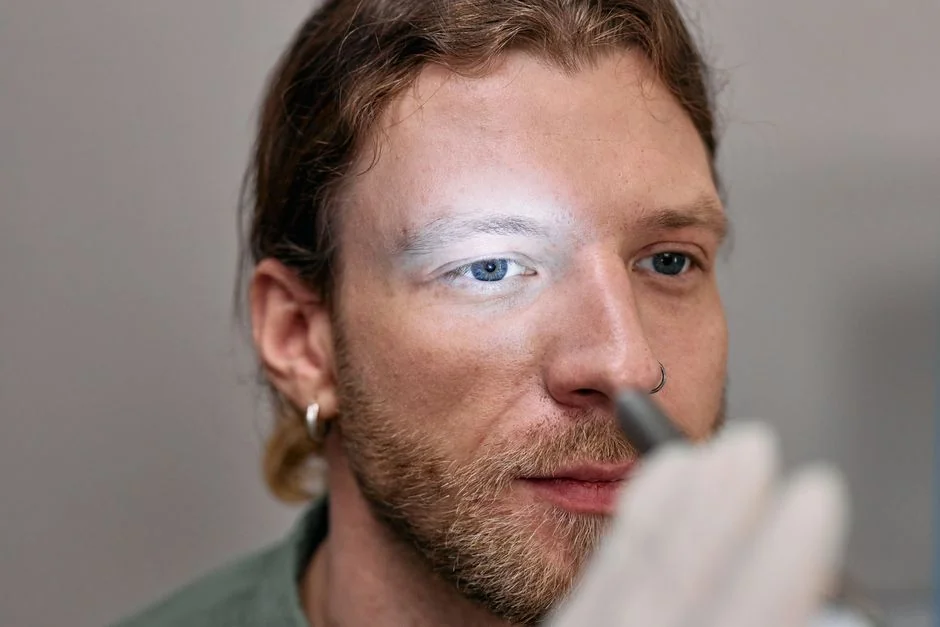
Good candidates are generally in stable overall health, have realistic expectations about crease height and symmetry, and do not have active eyelid infections or uncontrolled bleeding disorders. Patients with thinner eyelid skin and little excess fat are often reasonable candidates for the buried suture method, while those with more eyelid fullness, previous failed suture surgery, or a strong epicanthal fold they want addressed are usually better suited to the incisional approach.
Surgery is generally not advisable for patients with active eye disease, unmanaged autoimmune or clotting conditions, or unrealistic expectations of a dramatic, non-ethnic-specific eyelid shape. Patients who are unsure which technique fits their anatomy should have an in-person or video assessment before deciding, since eyelid thickness, fat volume, and epicanthal fold presence all affect the recommendation.
What to Expect: Before, During, and After Surgery
Before Surgery
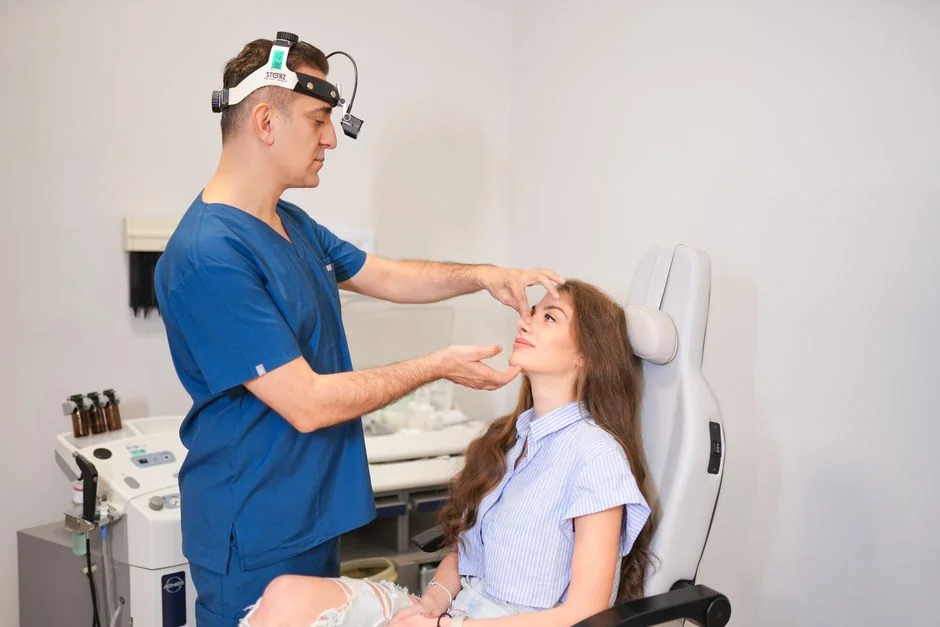
A consultation includes a physical examination of eyelid skin thickness, fat volume, symmetry, and any epicanthal fold, along with a discussion of the crease height you are hoping for. Photographs and, where useful, simulation are typically used to align expectations before booking.
During Surgery
Both techniques are usually performed under local anaesthesia, often with light sedation, as a day procedure. The buried suture method generally takes less time in the operating room than the incisional method, which involves more precise dissection and internal suturing.
Recovery Timeline
Swelling and bruising generally peak within the first 48 to 72 hours after either technique, patient-education literature on eyelid surgery recovery indicates. Most visible bruising and swelling substantially improve within about two weeks, at which point many patients feel comfortable returning to normal social activities, though mornings can still look slightly puffy. The final crease shape and height typically continue to settle over three to six months as residual swelling resolves, so it is normal for the fold to look different at two weeks than it will at three months.
Common Misconceptions About Double Eyelid Surgery
Misconception 1: The buried suture method is always short-lived, while incisional results always last a lifetime. In practice, outcomes are more varied. In a study following patients after buried-suture blepharoplasty, the average interval before any suture-related revision was needed was 5.3 years, with a documented range from one month to 30 years — so the suture method is not automatically short-term for every patient (Mizuno, 2016). At the same time, the same study found that among patients who had only their sutures removed (without a switch to an incisional revision), about one in four saw the eyelid fold disappear during follow-up, confirming that suture-only removal does carry a real chance of the crease not persisting.
Misconception 2: One “ideal” crease height or technique suits all Asian or Chinese eyelids. Anatomical measurement studies show this is not accurate. Average crease height differed meaningfully even between two East Asian population groups studied together — about 4.91 mm in Chinese participants versus 8.33 mm in Malay participants in the same research (Lu et al., 2017) — which is why a surgical plan needs to be based on an individual’s own eyelid proportions rather than a single generic target.
Frequently Asked Questions
- Q. Can double eyelid surgery also address an epicanthal fold (the skin fold at the inner corner of the eye)?
- Yes, epicanthoplasty can be performed alongside blepharoplasty when a prominent epicanthal fold would otherwise limit the crease shape that can be achieved. This is typically discussed and planned during the consultation, since it adds to both the procedure time and the recovery period.
- Q. Will the crease look asymmetric right after surgery?
- Some temporary asymmetry from uneven swelling is common in the first one to two weeks and is not necessarily a sign of a surgical problem. It is best to wait until most swelling has resolved, generally by around one month, before judging final symmetry.
- Q. Is the buried suture method reversible if I don’t like the result?
- The sutures can potentially be removed, which is one advantage over the incisional method, but removal does not guarantee the eyelid will return to its exact original appearance, and in some patients the fold persists even after suture removal. Any change should be discussed with your surgeon rather than attempted independently.
- Q. How soon can I wear makeup or contact lenses again?
- Most patients are advised to avoid eye makeup and contact lenses for approximately one to two weeks while swelling and any suture points heal, though your surgeon will confirm a timeline based on your specific procedure and healing progress.
Have a question about this treatment?
Message us on LINE or WhatsApp — our English-speaking team usually replies the same day.
Summary
Double eyelid surgery in Tokyo for Chinese-American patients works best when the technique and crease height are matched to individual eyelid anatomy rather than a generic standard, since published research shows real variation in natural crease height and fold prevalence even within East Asian populations. The buried suture method suits thinner lids with minimal excess tissue and offers a shorter recovery, while the incisional method suits eyelids with more fullness or those needing revision or epicanthal correction, at the cost of a longer healing period. If you have questions about double eyelid surgery, both BIOTOPE CLINIC (Shirokanedai, Minato-ku) and Kojimachi Dermatology & Plastic Surgery Clinic (Ichigaya, Chiyoda-ku) offer English-language consultation with Dr. Karibe and his team. Double eyelid surgery is primarily handled at BIOTOPE CLINIC. English enquiries: LINE or WhatsApp.
This is a treatment available at BIOTOPE CLINIC in Shirokanedai — feel free to ask about it, along with related options such as ptosis correction or epicanthoplasty, during a consultation with Dr. Karibe’s team.
24/7 Consultation & Booking
Book a Consultation or Treatment
Our English-speaking team responds via LINE or WhatsApp — usually the same day.
References
- Mizuno T. Treatment of Suture-related Complications of Buried-suture Double-eyelid Blepharoplasty in Asians. Plastic and Reconstructive Surgery Global Open. 2016.
- Lu TY, Kadir K, Ngeow WC, Othman SA. The Prevalence of Double Eyelid and the 3D Measurement of Orbital Soft Tissue in Malays and Chinese. Scientific Reports. 2017.
- Hwang HS, Spiegel JH. The Effect of “Single” vs “Double” Eyelids on the Perceived Attractiveness of Chinese Women. Aesthetic Surgery Journal. 2014.
- Weng CJ. Oriental Upper Blepharoplasty. Seminars in Plastic Surgery. 2009.
Related Articles
You may also find these articles useful.
- Double Eyelid Surgery Tokyo: English-Speaking Clinic Guide
- How Long Should You Stay in Tokyo for Double Eyelid Surgery? Downtime, Pain & Flying Guide
- Ptosis Correction Surgery Tokyo: Droopy Eyelid Treatment
- Under Eye Bags Surgery Tokyo: Transconjunctival Guide
- Under Eye Bags Surgery Tokyo: Transconjunctival Blepharoplasty
SUPERVISED BY

Dr. Jun Karibe
MD
Director
Education & Career
Certifications
Awards
MEDICAL REVIEW