What Is an IV Vitamin Drip?
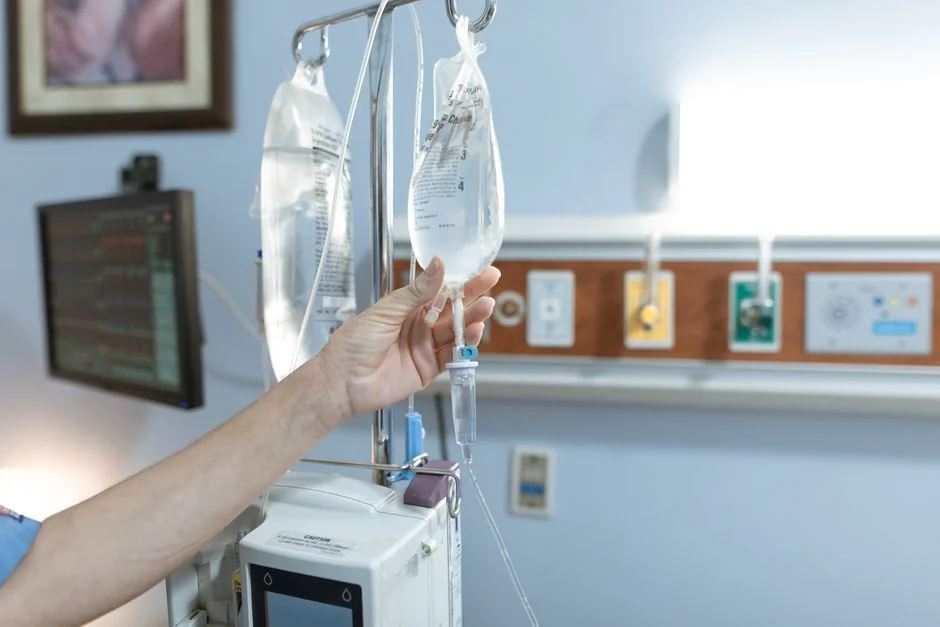
Long flights, unfamiliar food, a demanding work schedule, and Tokyo’s humid summers can leave anyone feeling depleted — and for expatriates far from their usual support network, that fatigue can feel harder to shake off. IV vitamin drip therapy has become a familiar part of Tokyo’s wellness landscape, marketed as a quick way to top up nutrients and support recovery. This article explains what the treatment actually involves, what the evidence does and does not support, realistic costs, and how to find English-language care in Tokyo.
What you’ll learn in this article:
- What an IV vitamin drip is and how it differs from an injection or oral supplement
- How the treatment works in the body and what results are realistically expected
- Typical cost ranges for different types of drips in Tokyo
- What a session involves from booking to aftercare
- Who should — and should not — consider IV vitamin therapy
Have a question about this treatment?
Message us on LINE or WhatsApp — our English-speaking team usually replies the same day.
What Is an IV Vitamin Drip?
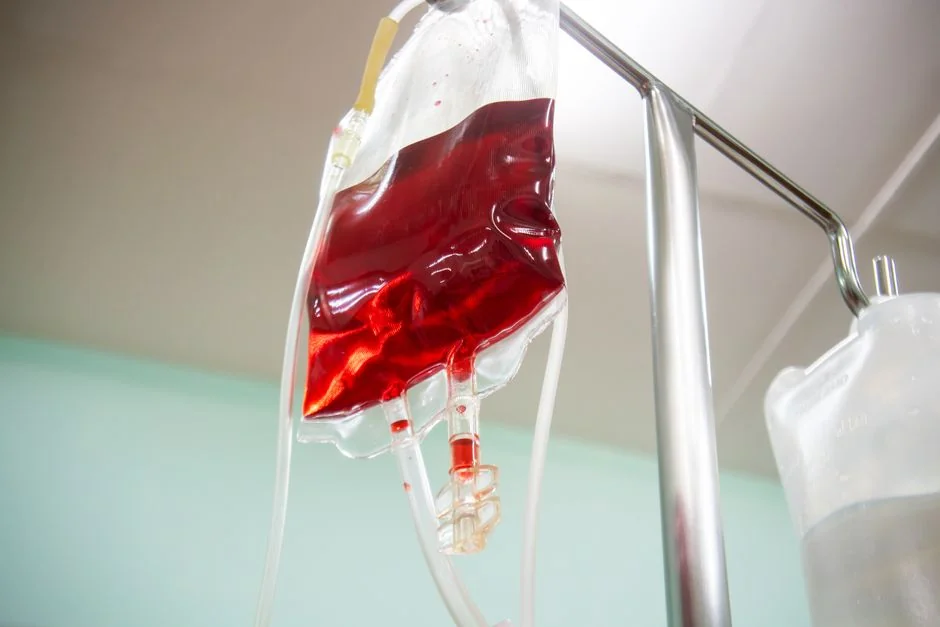
An IV (intravenous) vitamin drip is a solution of vitamins, minerals, and sometimes amino acids delivered directly into a vein through a small cannula, bypassing the digestive system. Formulations vary widely: some focus on a single high-dose nutrient such as vitamin C, while blended options such as the “Myers’ cocktail” combine B vitamins, vitamin C, and minerals like magnesium and calcium.
In Tokyo, these drips are typically offered as a self-pay wellness or preventive-medicine service rather than a medically necessary treatment, meaning they are not covered by Japanese national health insurance. They are marketed for fatigue, hydration, hangover recovery, skin brightening, and general “top-up” wellness rather than for diagnosing or curing any disease.
How IV Vitamin Drip Therapy Works
Oral vitamins are absorbed through the gut, where transport mechanisms limit how much of a very high dose actually reaches the bloodstream. Intravenous delivery bypasses this limit, allowing a measured dose to enter circulation directly — which is one reason high-dose vitamin C formulations can reach markedly higher blood concentrations than an equivalent oral dose, though clinical reports indicate the clinical significance of this outside hospital settings is still debated.
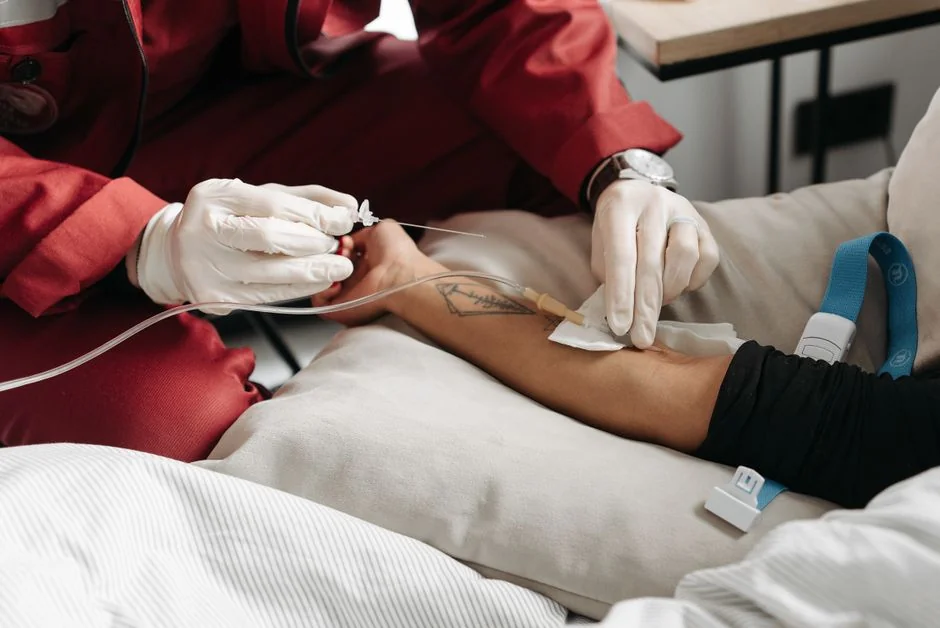
A typical session begins with a brief health screening, insertion of a small IV line (usually in the arm), and a slow infusion lasting roughly 20 to 60 minutes depending on the formulation and volume. Higher-dose vitamin C protocols in particular may require a preliminary blood test — screening for glucose-6-phosphate dehydrogenase (G6PD) deficiency — since this inherited enzyme deficiency can make high-dose vitamin C unsafe.
Expected Results
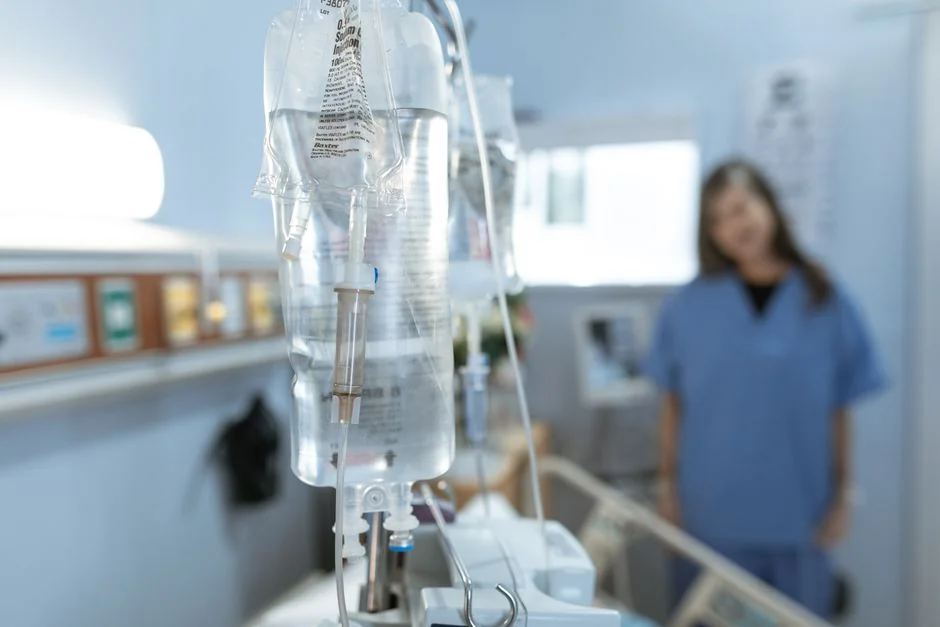
Patients commonly report feeling more hydrated or subjectively “refreshed” shortly after a session, though this effect is difficult to separate from the fluid volume itself and from a placebo response.
Evidence for broader claims — improved immunity, disease prevention, or guaranteed energy gains — remains limited; a clinical reference on Myers’ cocktail therapy notes that scientific support for many marketed benefits is insufficient, and that a provider was previously charged by the U.S. Federal Trade Commission for unsupported health claims.
At BIOTOPE CLINIC in Shirokanedai, we frequently see patients who are looking for a short-term boost before travel, after jet lag, or during a demanding work period, rather than a treatment for a diagnosed medical condition. Framing the treatment as supportive wellness care, not a cure, reflects how the evidence currently stands.
Cost of IV Vitamin Drips in Tokyo

Pricing depends on the formulation, dose, and number of ingredients used. As an example, one clinic’s published fee schedule lists a high-dose vitamin C drip (12.5g) at around ¥22,000 per session, rising to around ¥28,000 for a 25g dose, which also requires a one-time G6PD screening test priced at around ¥8,800. Blended nutrient drips and smaller injectable formulations tend to sit in a lower price bracket.
| Drip type | Typical focus | Approx. price range* |
|---|---|---|
| High-dose vitamin C | Antioxidant “top-up,” skin, fatigue | ¥11,000–¥16,000 per session |
| Myers’-style blend | General wellness, hydration, B vitamins | Around ¥8,800 per session |
| Glutathione (shiratama) injection | Skin brightening, antioxidant support | ¥4,400–¥5,500 per session |
| Liver/hangover support drip | Post-alcohol recovery | Around ¥7,500 per session |
*Prices shown reflect one clinic’s published fee schedule at the time of writing and may change without notice. Please see the clinic’s official price page or contact us for a current quote. For an accurate quote, please book a consultation.
Have a question about this treatment?
Message us on LINE or WhatsApp — our English-speaking team usually replies the same day.
What to Expect: Before, During and After
Before
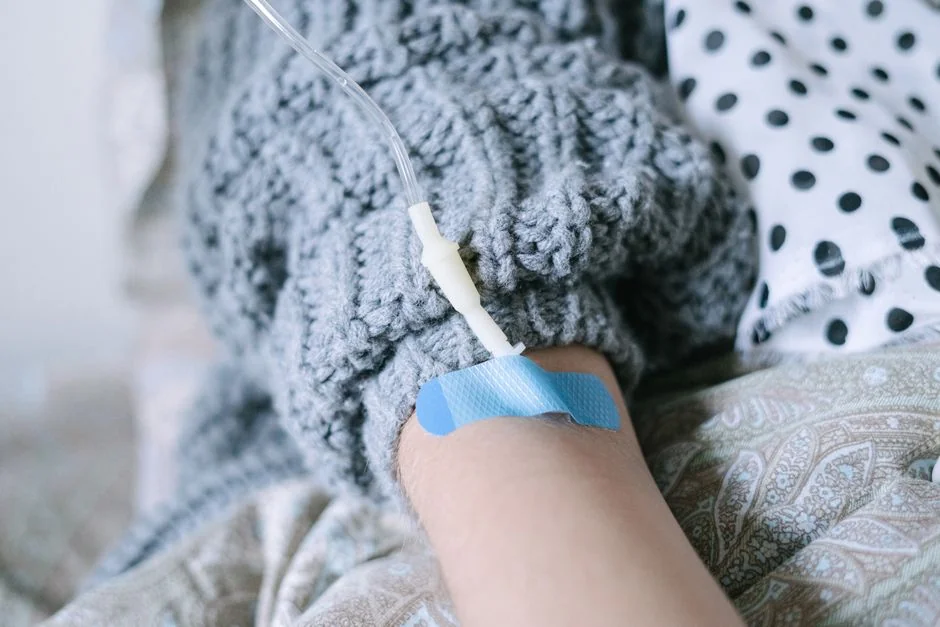
A brief consultation confirms medical history, current medications, allergies, and — for higher-dose vitamin C — G6PD status. Patients are generally advised to be reasonably hydrated and to have eaten beforehand to reduce the small chance of light-headedness.
During
A nurse or physician inserts a small IV cannula, usually in the forearm or back of the hand, and the chosen solution is infused slowly over roughly 20 to 60 minutes. Mild sensations such as warmth, a cooling feeling along the vein, or a metallic taste are commonly reported and typically resolve quickly.
After
The cannula is removed and a small dressing applied; most patients resume normal activity immediately. Reported side effects are generally mild — such as vein discomfort, nausea, or headache — but rare allergic reactions are possible, and any fever, chills, or unusual pain after a session should be reported to the clinic promptly.
Who Is a Good Candidate?
Generally healthy adults seeking short-term support for fatigue, travel recovery, or occasional hydration are the most typical candidates for elective IV vitamin therapy, and a consultation with Dr. Karibe’s team can confirm suitability based on individual health history. Patients focused on longer-term wellness sometimes also ask about NMN supplementation or orthomolecular (nutritional) therapy — treatments available at BIOTOPE CLINIC in Shirokanedai, worth raising during the same visit.
IV vitamin drips are not appropriate for everyone. People with kidney disease, a history of kidney stones, G6PD deficiency, significant heart conditions, or who are pregnant or breastfeeding should discuss risks with a physician first, since safety data in these groups is limited. Anyone taking regular prescription medication should mention this during screening, as interactions are possible.
Common Misconceptions About IV Vitamin Drips
Misconception: IV vitamin drips can prevent or treat serious illness. Marketing sometimes implies that high-dose IV nutrients can fight off infections, prevent cancer, or replace medical treatment. Current evidence does not support these claims for otherwise healthy people, and a clinical reference notes that a provider was previously charged by U.S. regulators for making unsupported health claims about this therapy.
Misconception: because an ingredient like glutathione is “natural,” any IV formulation containing it is automatically safe. In 2026, the U.S. Food and Drug Administration warned that dietary-supplement-grade glutathione is not appropriate for injectable use, after at least 30 patients experienced adverse reactions — including fever, chills, and shock-like symptoms — linked to a contaminated compounded product. The lesson is not that IV glutathione is inherently dangerous, but that ingredient sourcing and clinical oversight matter; treatments should only be administered by licensed medical staff using pharmaceutical-grade ingredients.
Frequently Asked Questions
- Q. Is IV vitamin drip therapy covered by Japanese health insurance?
- No. These are elective wellness treatments billed as self-pay (jihi) services, separate from insurance-covered dermatology care.
- Q. How long does a session take?
- Most sessions take between 20 and 60 minutes, depending on the formulation and dose, plus a short screening beforehand.
- Q. Can I get an IV vitamin drip if I am only in Tokyo for a short visit?
- Yes, clinics that see medical tourists and expatriates can generally accommodate short visits, though a brief in-person screening is still required before treatment.
- Q. Are there risks to repeated or frequent IV vitamin drips?
- Frequent high-dose use, particularly of vitamin C, has been associated with risks such as kidney stress in susceptible individuals, so clinics generally recommend spacing sessions and reviewing frequency with a physician.
Have a question about this treatment?
Message us on LINE or WhatsApp — our English-speaking team usually replies the same day.
Summary
IV vitamin drip therapy is a widely available wellness option in Tokyo that can support hydration and short-term recovery, but it is not a substitute for medical treatment, and its broader benefit claims are not strongly supported by current evidence. Choosing a clinic with licensed medical oversight, transparent ingredient sourcing, and proper pre-screening — including G6PD testing where relevant — matters more than the specific formulation chosen.
Within our clinic group, both BIOTOPE CLINIC (Shirokanedai, Minato-ku) and Kojimachi Dermatology & Plastic Surgery Clinic (Ichigaya, Chiyoda-ku) offer English-language consultation with Dr. Jun Karibe’s team. IV vitamin drip therapy is handled at BIOTOPE CLINIC. Bookings and enquiries in English: LINE or WhatsApp.
If you have questions about IV vitamin drip therapy, both BIOTOPE CLINIC (Shirokanedai, Minato-ku) and Kojimachi Dermatology & Plastic Surgery Clinic (Ichigaya, Chiyoda-ku) offer English-language consultation with Dr. Karibe and his team. IV vitamin drip therapy is primarily handled at BIOTOPE CLINIC. English enquiries: LINE or WhatsApp.
24/7 Consultation & Booking
Book a Consultation or Treatment
Our English-speaking team responds via LINE or WhatsApp — usually the same day.
References
- Alangari A, Arif J, Al Qureshah F, Alkhodairy F. Clinical benefits and risks of high-dose intravenous vitamin C: a systematic review. J Med Life. 2026;19(1):16-23.
- Gaby AR. Intravenous nutrient therapy: the “Myers’ cocktail”. Altern Med Rev. 2002;7(5):389-403.
- Merck Manual Professional Edition. Intravenous Vitamin Therapy (Myers’ Cocktail). Reviewed July 2025.
- U.S. Food and Drug Administration. FDA Reminds Compounders Not to Use Dietary Supplement-Grade Glutathione for Injectables. 2026.
Related Articles
You may also find these articles useful.
- NMN Drip Therapy Tokyo: Anti-Aging IV Treatment Guide
- Where to Get NAD+ IV in Tokyo (2026 English-Speaking Clinic Guide)
- NMN vs NAD+ in Japan: Which Should You Actually Take?
- Anti-Aging Treatments Tokyo: Complete Guide for Expats
- Vitamin B12 for Vegans in Japan: Why Standard Testing Fails You
SUPERVISED BY

Dr. Jun Karibe
MD
Director
Education & Career
Certifications
Awards
MEDICAL REVIEW