What Is Sensitive Skin?
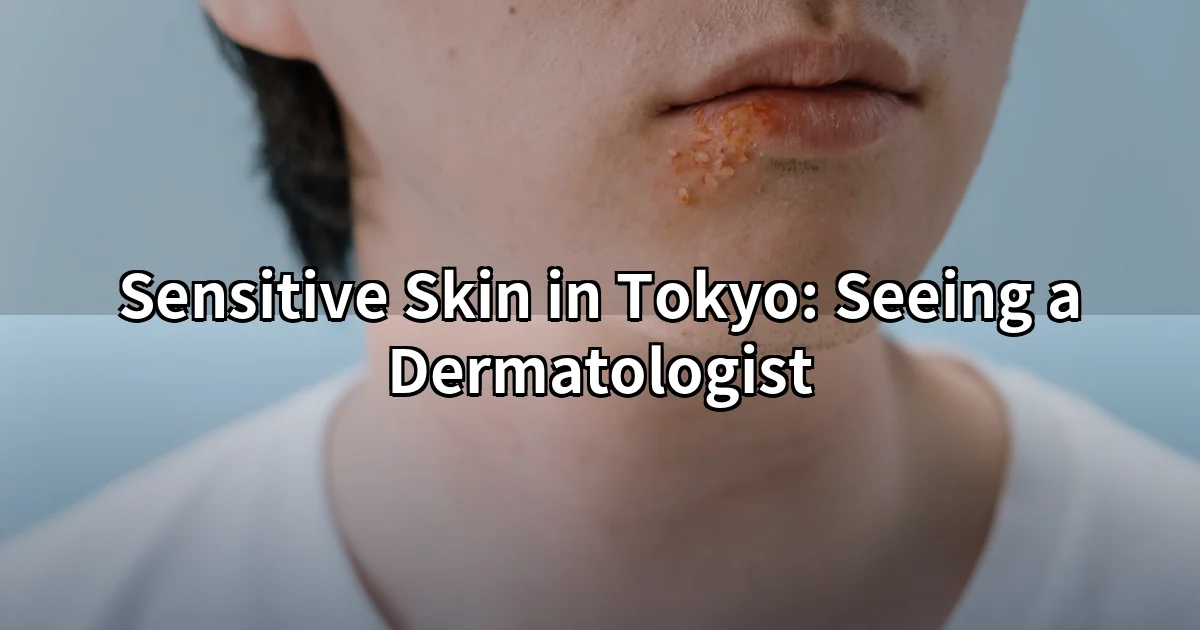
“Sensitive skin” is not a single medical diagnosis but an umbrella term for skin that reacts readily to stimuli that cause little or no response in most people. Those stimuli can include temperature shifts, certain skincare ingredients, air pollution, synthetic fibres, or stress. Reactions typically present as redness, stinging, itching, or a sensation of tightness — often disproportionate to the trigger.
Clinically, sensitive skin sits on a spectrum. At the milder end is reactive skin, prone to brief flushing or product intolerance. More persistent presentations include allergic contact dermatitis — an immune-mediated response to a specific allergen — and atopic dermatitis, the condition commonly called eczema.
Clinical reports presented at the European Academy of Dermatology and Venereology (EADV) 2025 Congress suggest that up to 70% of people globally experience some degree of skin sensitivity, a proportion that has risen markedly over the past two decades.
Atopic dermatitis is particularly prevalent in Japan. A web-based survey of 7,777 Japanese individuals, published in 2025, found that atopic dermatitis peaked at 23.1% prevalence in the 5–9 age group, and that a substantial proportion of adults continue to have the condition beyond childhood. Among those with a childhood-onset diagnosis, 57.9% achieved remission over time, while 17.5% experienced relapse after an initial improvement — underscoring that sensitive and atopic skin often requires ongoing, not one-time, management.
Why Tokyo Can Aggravate Sensitive Skin
Tokyo’s four-season climate creates two distinct annual challenges. Summers are hot and humid, with high sweat production that can disrupt the skin’s acid mantle and contribute to blocked pores and heat-aggravated rashes. Winters bring a sharp reversal: indoor heating systems drive ambient humidity down significantly.
In the greater Tokyo area, relative humidity can fall below 20% during the coldest months — a level at which research published in the Journal of the European Academy of Dermatology and Venereology has directly linked low ambient humidity to impaired skin barrier function and increased susceptibility to mechanical stress, both of which can trigger or worsen eczema flares.
Urban pollution adds another layer. A real-world study presented at the EADV 2025 Congress found that people with sensitive skin living in modern urban environments showed three times the level of prostaglandin E2 — a marker of skin inflammation — compared with those in traditional-lifestyle settings. Oxidative stress driven by pollution exposure was identified as a key driver.
The character of modern Japanese housing also plays a role. The shift from traditional open timber structures to airtight apartments built from concrete and synthetic materials has created indoor environments where house dust mites and moulds circulate year-round without the natural ventilation that previously limited exposure. Japanese clinical guidelines on atopic dermatitis specifically highlight dust mite avoidance — including regular vacuuming of bedding, anti-mite covers, and indoor humidity control — as an important part of ongoing management, not just during flares.
For newcomers, switching to unfamiliar Japanese-language personal care products introduces an additional variable. Without being able to read ingredient labels, it is easy to inadvertently use products containing fragrance compounds, preservatives, or active ingredients that are established triggers for reactive skin.
Seeing a Dermatologist in Japan: What Foreigners Need to Know
One practical advantage of Japan’s healthcare system is that specialist access is direct. Unlike many healthcare systems in Europe or Australia, Japan does not require a general practitioner referral to visit a dermatology clinic (皮ふ科, hifuka). Patients book and attend specialist clinics directly.
Insurance and Cost Structure
Foreign residents registered in Japan for more than three months on a qualifying visa are legally required to enroll in Japan’s National Health Insurance (NHI). Under NHI, patients pay 30% of the consultation and treatment fee; the remaining 70% is covered.
A documented patient example shows a standard dermatology visit for eczema — including consultation and a prescription — totalling approximately ¥4,800, with the insured patient paying around ¥1,440. Short-stay visitors and those without Japanese insurance cover pay privately; initial private consultations at English-language clinics in Tokyo typically run approximately ¥3,300.
Language Access
The main practical barrier for international patients is language. The majority of Japanese dermatology clinics operate entirely in Japanese. Distinguish between clinics with English-language websites and clinics where the treating physician can conduct a full clinical consultation — including allergy history, test interpretation, and informed consent — in English. Before booking, confirm that English consultation means direct communication with the doctor or a qualified clinical interpreter, not a translation sheet at reception.
What to Bring to Your First Appointment
Come prepared with a list of current medications and supplements, your regular skincare products (with ingredient lists if possible), a written allergy history, and any previous test results such as patch test or food allergy panels. A photograph of skin flares taken in natural light is particularly useful if the skin is currently calm at the time of the visit.
Treatment Options for Sensitive Skin in Tokyo
Treatment approach depends on whether the presentation falls within the scope of medical dermatology — covered by health insurance — or cosmetic dermatology, which is always self-pay regardless of the treating physician’s qualifications.
| Category | Typical conditions covered | Representative treatments | Cost basis |
|---|---|---|---|
| Medical dermatology (NHI-covered) | Atopic dermatitis, allergic contact dermatitis, urticaria, seborrhoeic dermatitis, psoriasis | Topical corticosteroids, topical calcineurin inhibitors, oral antihistamines, immunosuppressants, narrowband UVB phototherapy | 30% copay (NHI enrolled residents) |
| Cosmetic dermatology (self-pay) | Barrier impairment, residual redness, post-inflammatory hyperpigmentation, skin texture concerns | Dermapen microneedling, IV drip therapy (vitamin C, glutathione), medical-grade skincare programmes | Out-of-pocket regardless of setting |
For active inflammatory conditions, the Japanese Atopic Dermatitis Guidelines 2024 recommend topical corticosteroids as the first-line treatment during flares, applied at the appropriate strength for the body site. Topical calcineurin inhibitors are recommended for the face and skin folds, where long-term steroid use carries a higher risk of local side effects. For moderate to severe cases unresponsive to topical treatment, narrowband UVB phototherapy — a precisely calibrated light-therapy protocol — is available and covered under NHI.
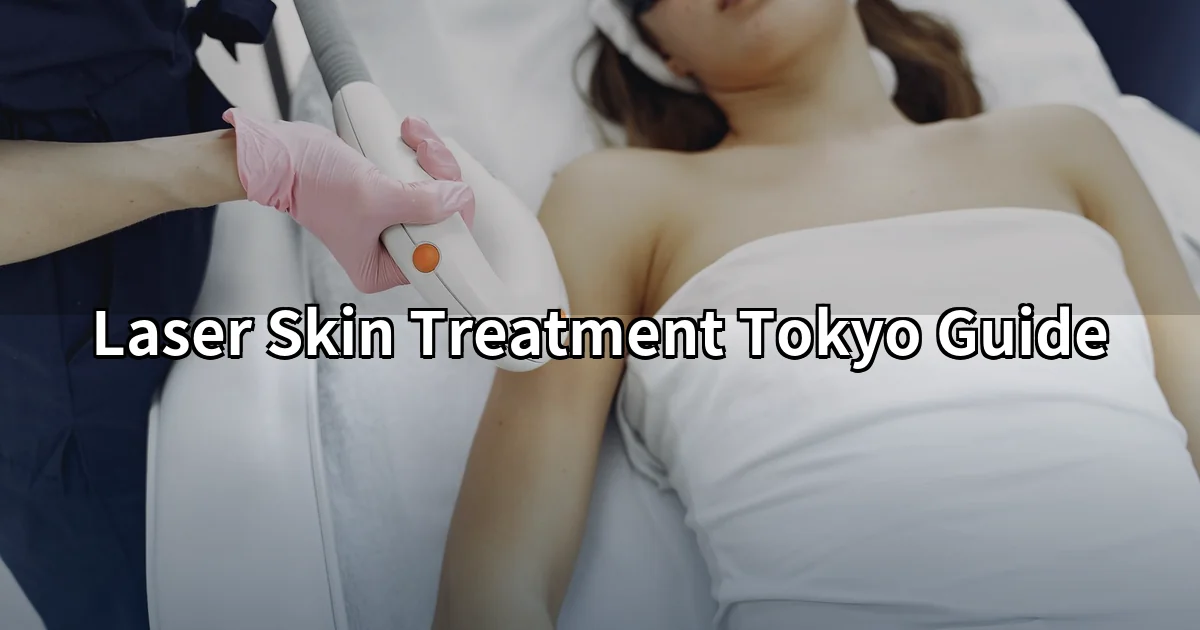
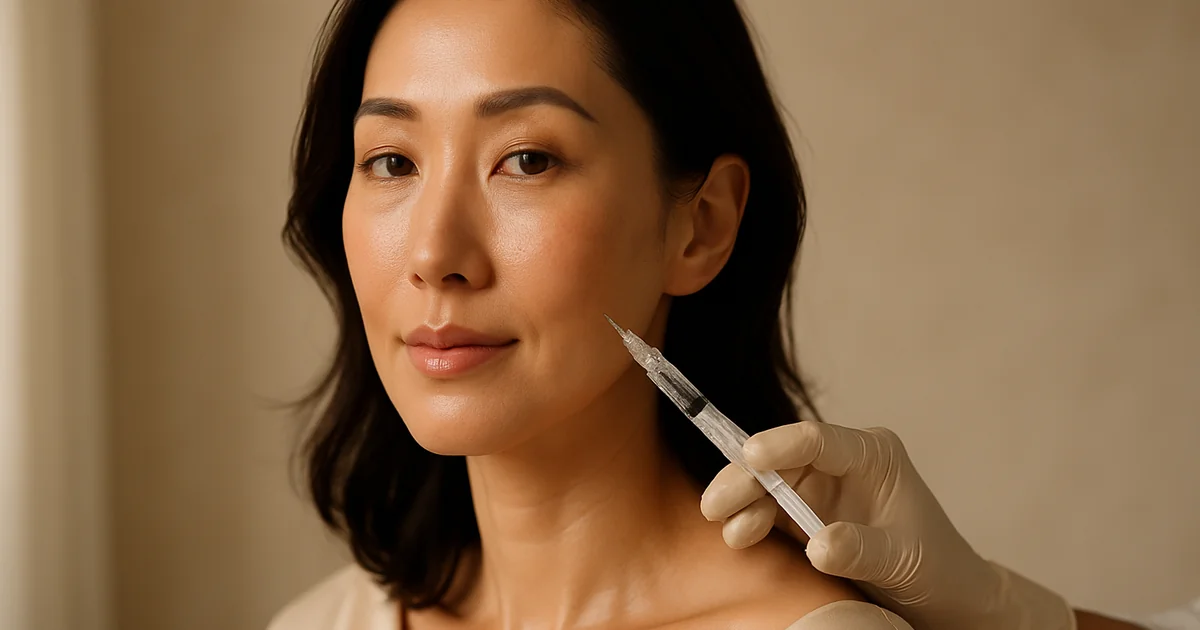
For patients whose skin is medically stable but who wish to address cosmetic concerns associated with a history of sensitivity — residual redness, impaired barrier recovery, or textural irregularity — cosmetic approaches can complement ongoing care. Dermapen microneedling stimulates collagen and supports barrier architecture, while intravenous antioxidant therapy with glutathione and vitamin C is available for patients interested in reducing systemic oxidative load, a factor increasingly recognised in sensitive skin research. Medical-grade skincare programmes built around evidence-based formulations such as Zo Skin Health offer a structured approach to long-term barrier maintenance. These treatments are available at BIOTOPE CLINIC in Shirokanedai — feel free to ask about them during a consultation with Dr. Karibe’s team.
Cost of Dermatology Care in Tokyo
Japan’s cost structure for skin care divides sharply along medical and cosmetic lines. Under NHI, an insured patient visiting a dermatology clinic for an eczema or allergic skin condition typically pays the 30% copay — as illustrated by a documented patient example of a ¥4,800 total visit resulting in a ¥1,440 patient payment. Initial private consultations at English-language clinics in Tokyo run approximately ¥3,300 at the time of writing.
Cosmetic and device-based treatments — Dermapen, IV therapy, laser procedures, medical-grade skincare programmes — are always out-of-pocket, and costs vary considerably depending on the area treated, the number of sessions required, and the device used. For an accurate and current quote on any specific cosmetic treatment, please see the clinic’s official price page or contact us directly. For an accurate personal quote, please book a consultation.
Have a question about this treatment?
Message us on LINE or WhatsApp — our English-speaking team usually replies the same day.
What People Often Get Wrong About Sensitive Skin in Japan
“Japanese skincare products are always gentle enough for sensitive skin.”
Japan has a well-deserved reputation for quality skincare, and many Japanese formulations are thoughtfully gentle. However, “gentle” is not the same as medically appropriate for every sensitive skin type. Fragrance — one of the most consistently identified contact allergens in dermatology — appears in numerous Japanese pharmacy products, as do alcohol denat., preservatives such as methylisothiazolinone, and active ingredients including retinoids and alpha-hydroxy acids. Without professional patch testing or a documented allergy history, even a well-regarded Japanese product can perpetuate a reaction. The fact that a product is sold in a Japanese pharmacy does not confirm it is safe for a specific individual’s skin profile.
“Sensitive skin just needs more moisturiser.”
Moisturising is an important part of barrier maintenance, but it does not address all mechanisms of sensitive skin. The condition involves both impaired barrier function and, in many cases, heightened cutaneous nerve reactivity — a state in which sensory nerve fibres in the skin respond to sub-threshold stimuli. Applying additional moisturiser without identifying and removing the underlying trigger can delay resolution and, in cases of contact allergy, sustain or intensify inflammation. A dermatologist can perform patch testing or carry out an elimination approach to identify causative triggers rather than managing symptoms alone.
Frequently Asked Questions
- Q. Do I need a GP referral to see a dermatologist in Japan?
- No. Japan operates a direct-access specialist system. You can book a dermatology appointment without a referral from a general practitioner. Larger hospitals may have their own referral requirements, but independent dermatology and dermatology-plastic surgery clinics accept direct bookings.
- Q. Will my Japanese health insurance cover treatment for my skin condition?
- If you are enrolled in Japan’s National Health Insurance or an employer-based insurance scheme, medically diagnosed conditions such as atopic dermatitis, allergic contact dermatitis, and urticaria are covered, subject to the standard 30% copay. Cosmetic procedures — including lasers, injectables, Dermapen, and IV therapy — are not covered by insurance regardless of setting. Visitors without Japanese insurance pay privately for all treatment.
- Q. My skin was fine at home but has been flaring since I moved to Japan. Is this common?
- Yes, and it is well documented. The combination of Tokyo’s extreme seasonal humidity fluctuations, year-round indoor dust mite exposure in modern airtight housing, urban pollution, and unfamiliar personal care products creates a significantly different environmental load than most countries. Many patients require a recalibration of their routine and, in some cases, a formal reassessment of their diagnosis once they are in the new environment.
- Q. Can I access English-language consultations at your clinics?
- Yes. Both BIOTOPE CLINIC in Shirokanedai and Kojimachi Dermatology & Plastic Surgery Clinic in Ichigaya offer English-language consultations. Enquiries and bookings in English can be made via LINE or WhatsApp. Medical translation is handled at the clinical — not just the reception — level.
Have a question about this treatment?
Message us on LINE or WhatsApp — our English-speaking team usually replies the same day.
Where to Get English-Language Sensitive Skin Care in Tokyo
Within our clinic group, both BIOTOPE CLINIC (Shirokanedai, Minato-ku) and Kojimachi Dermatology & Plastic Surgery Clinic (Ichigaya, Chiyoda-ku) offer English-language consultation with Dr. Jun Karibe’s team. The routing between the two clinics depends on the nature of your concern: insurance-covered medical dermatology — including atopic dermatitis, allergic contact dermatitis, and other inflammatory skin conditions — is handled at Kojimachi Dermatology & Plastic Surgery Clinic, the group’s main office for NHI-eligible treatment. Cosmetic dermatology approaches to sensitive skin, including Dermapen, IV antioxidant therapy, and medical-grade skincare programmes, are available at BIOTOPE CLINIC in Shirokanedai, where Dr. Karibe personally consults. Both clinics accept patients regardless of whether they hold Japanese health insurance. Bookings and enquiries in English: LINE or WhatsApp.
Patients who are unsure which clinic is the right starting point are welcome to contact us in advance. The team can advise based on a brief description of the concern — whether it leans toward a medical diagnosis requiring NHI coverage, or a cosmetic programme for a skin that is clinically stable but in need of structured support.
If you have questions about sensitive skin care in Tokyo, both BIOTOPE CLINIC (Shirokanedai, Minato-ku) and Kojimachi Dermatology & Plastic Surgery Clinic (Ichigaya, Chiyoda-ku) offer English-language consultation with Dr. Karibe and his team. Insurance-covered dermatology treatment is primarily handled at Kojimachi Dermatology & Plastic Surgery Clinic; cosmetic dermatology approaches to sensitive skin are available at BIOTOPE CLINIC. English enquiries: LINE or WhatsApp.
24/7 Consultation & Booking
Book a Consultation or Treatment
Our English-speaking team responds via LINE or WhatsApp — usually the same day.
References
- Galderma. Real-world study on the biological impact of modern living on sensitive skin. Presented at the European Academy of Dermatology and Venereology (EADV) Congress 2025.
- Nakahara T, et al. Prevalence, Severity, and Clinical Course of Atopic Dermatitis in Japan: A Web-Based Questionnaire Survey. Journal of Dermatology. 2025. (PMC13341073)
- Saeki H, et al. English version of clinical practice guidelines for the management of atopic dermatitis 2024. Journal of Dermatology. 2025.
- Engebretsen KA, et al. The effect of environmental humidity and temperature on skin barrier function and dermatitis. Journal of the European Academy of Dermatology and Venereology. 2016;30(2):223–249.
- Muizzuddin N, et al. Sensitive skin evaluation in the Japanese population. Journal of Cosmetic Science. 2013;64(1):1–9.
Related Articles
You may also find these articles useful.
- Sensitive Skin Care Tokyo: Dermatologist Guide
- Sensitive Skin Care Tokyo: English-Speaking Dermatologist
- Sensitive Skin Care Tokyo: English-Speaking Dermatologist
- English Speaking Dermatologist Tokyo: A Complete Guide
- Eczema Treatment Tokyo: Options for Foreigners
SUPERVISED BY
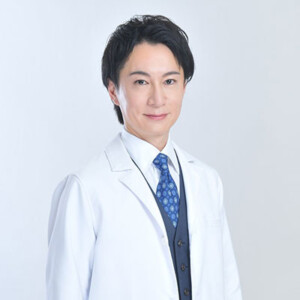
Dr. Jun Karibe
MD
Director
Education & Career
Certifications
Awards
MEDICAL REVIEW