Laser Skin Treatment in Tokyo: An English-Speaker’s Clinic Guide
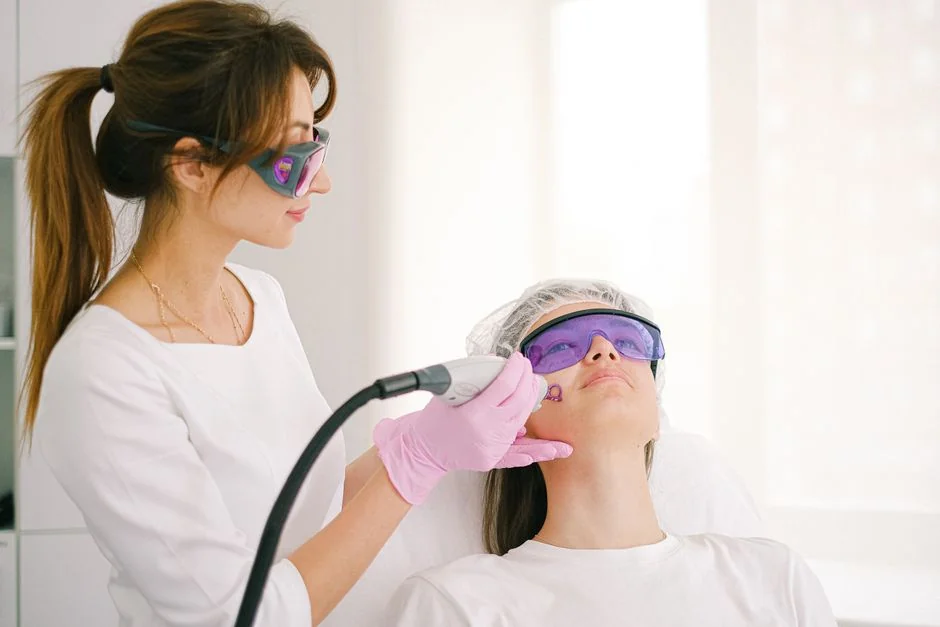
Finding a trusted, English-speaking clinic for laser skin treatment in Tokyo can feel overwhelming when you are new to the city or navigating a healthcare system in a second language. Whether your concern is sun spots, melasma, acne scars, enlarged pores, or uneven skin texture, medically supervised laser treatment is widely available in Tokyo — and the technology available here is among the most advanced in the world. This guide explains the main laser types, how they work, realistic outcomes, and how to access care in English.
What you’ll learn in this article:
- The difference between picosecond lasers and fractional CO2 lasers, and which concerns each addresses
- What clinical studies say about expected improvement rates and the number of sessions typically required
- Downtime and recovery for each laser type
- Important considerations for patients with darker skin tones (Fitzpatrick IV–VI)
- How to book English-language laser treatment in Tokyo through Dr. Jun Karibe’s clinic group
Have a question about this treatment?
Message us on LINE or WhatsApp — our English-speaking team usually replies the same day.
The Main Types of Laser Treatment Available in Tokyo
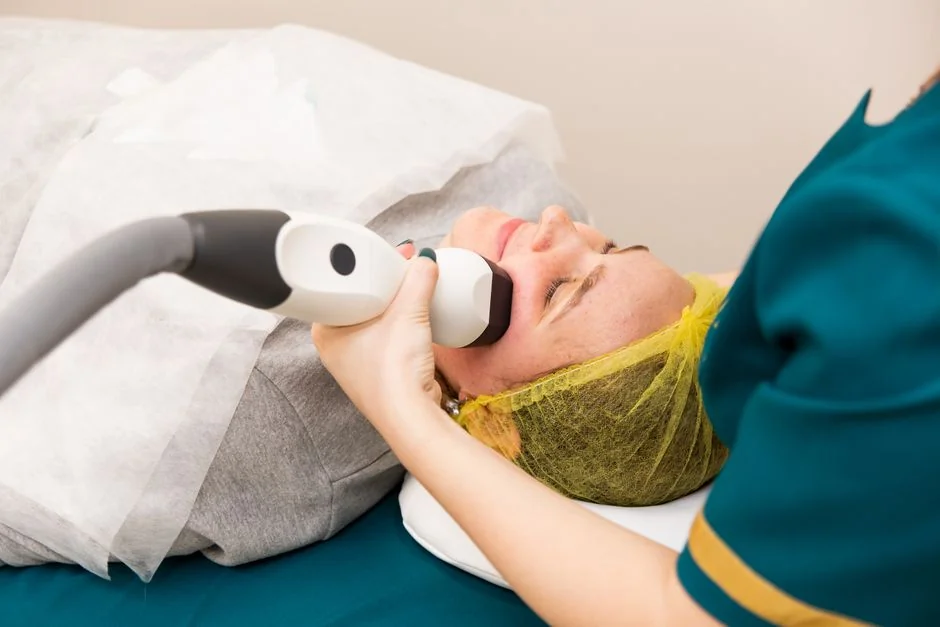
The word “laser” covers a broad family of technologies. Each type targets a specific depth and structure within the skin — melanin (pigment), water (for tissue remodelling), or blood vessels — and the correct choice depends on what you are trying to treat. The two laser modalities most commonly requested by patients in Tokyo are picosecond lasers and fractional CO2 lasers.
Picosecond Laser (PicoWay)
Picosecond lasers fire ultra-short pulses of light — measured in trillionths of a second — that shatter pigment particles through a photoacoustic effect rather than heat. Because so little thermal energy is deposited in surrounding tissue, the risk of collateral damage is low and recovery is swift. This makes picosecond lasers the preferred choice for pigmentation concerns including sun spots, melasma, post-inflammatory hyperpigmentation, acquired bilateral nevus of Ota-like macules (ABNOM — a form of deep dermal pigmentation common in East Asian skin), and tattoo removal.
A 2025 study published in Dermatologic Surgery (Han et al.) evaluated the 730-nm picosecond laser in 72 patients being treated for ABNOM. The study reported a 75% overall effective rate after an average of 2.42 treatment sessions, and 58.3% of participants achieved very significant improvement — defined as 76–100% clearance. Post-inflammatory hyperpigmentation (PIH) occurred in only 5.56% of cases, and no hypopigmentation was observed. Session-by-session data showed improvement rates rising from 27.8% after the first session to 80.5% after the third, illustrating how results build progressively.
PicoWay, a multi-wavelength picosecond platform operating at 1064 nm, 532 nm, and 730 nm, is available at BIOTOPE CLINIC in Shirokanedai. The choice of wavelength is tailored to the type and depth of the target pigment — a decision made during consultation with Dr. Karibe’s team.
Fractional CO2 Laser
Fractional CO2 laser is an ablative technology. It creates thousands of microscopic thermal treatment columns in the skin, triggering the body’s wound-healing cascade to generate new collagen and replace damaged tissue. This remodelling process makes it the standard of care for moderate to severe atrophic acne scars, enlarged pores, rough skin texture, and mild skin laxity. Because the outer skin layer is partially removed, downtime is longer than with non-ablative approaches.
A 2025 systematic review published in Life (Basel) (Ptaszek et al.), analysing seven clinical studies and 207 patients, concluded that most patients experienced 30–70% improvement in acne scar appearance following fractional laser treatment, with 84.4% of participants in one included study reporting moderate to good results at six-month follow-up. Results continue to improve for several months after each session as collagen remodelling matures.
Fractional CO2 laser is also available at BIOTOPE CLINIC in Shirokanedai. Patients interested in scar revision or significant skin resurfacing should book a consultation to have their scar type and Fitzpatrick skin tone assessed before treatment, as both factors influence recommended settings and session intervals.
Which Laser Is Right for You?
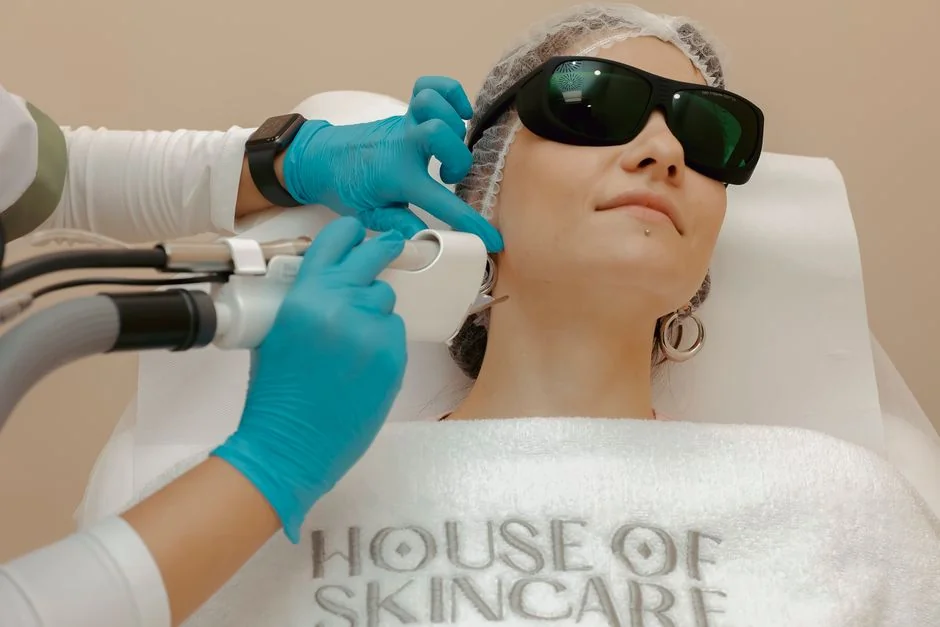
The decision between a picosecond laser and a fractional CO2 laser depends primarily on the skin concern being addressed, your skin tone, and the amount of social downtime you can accept. A 2022 in vivo study published in Diagnostics (Basel) (Ng et al.) used optical coherence tomography to compare tissue recovery after both laser types, finding that picosecond-treated skin recovered within approximately three days, while CO2-laser-treated tissue showed damage persisting beyond seven days — consistent with clinical reports of longer downtime after ablative treatment.
| Feature | Picosecond Laser (PicoWay) | Fractional CO2 Laser |
|---|---|---|
| Mechanism | Non-ablative; photoacoustic pigment shattering | Ablative; microscopic skin column resurfacing |
| Primary indications | Sun spots, melasma, ABNOM, pigmentation, tattoo removal | Atrophic acne scars, enlarged pores, rough texture, mild laxity |
| Typical social downtime | 2–5 days (redness, mild swelling) | 5–10 days (peeling, redness, crusting) |
| Sessions typically needed | 2–5 sessions, depending on lesion depth | 2–4 sessions, depending on scar severity |
| Risk of post-inflammatory hyperpigmentation (PIH) | Low (5.56% in 2025 clinical data for ABNOM) | Moderate; higher in Fitzpatrick IV–VI skin tones |
| Suitable for darker skin tones (Fitzpatrick IV–VI) | Yes, with appropriate wavelength selection | With caution; lower energy settings required; specialist assessment essential |
Common Misconceptions About Laser Skin Treatment
Misconception 1: “Laser treatment is primarily about skin whitening.”
Modern laser technology treats a broad range of structural and pigmentary concerns — including acne scar remodelling, pore refinement, tattoo removal, and skin texture improvement — that have nothing to do with skin lightening. The clinical studies cited in this article focus on structural outcomes (scar improvement, tissue remodelling) rather than tonal changes, and these are very different therapeutic goals.
Misconception 2: “One session produces the final result.”
The published evidence is consistent: meaningful outcomes require a series of treatments. In the 2025 Han et al. study, per-session improvement rates for picosecond laser treatment rose from 27.8% after the first session to 80.5% after the third — a near threefold increase. Patients who stop after a single session are unlikely to see the full benefit of the treatment.
Cost of Laser Treatment in Tokyo
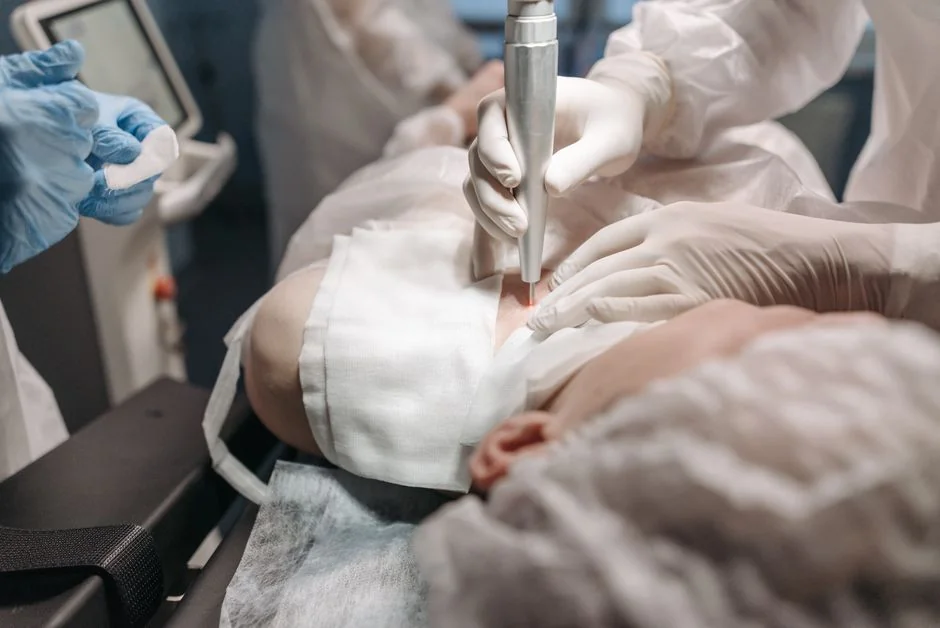
Pricing for laser procedures in Tokyo varies considerably depending on the laser type, the treatment area, the number of sessions, and the clinic. Fees are not standardised across clinics, and protocols differ — a single-session fee and a packaged course of sessions are typically costed differently.
BIOTOPE CLINIC does not publish fixed prices for laser treatments, as the appropriate protocol can only be determined after a clinical assessment of the patient’s skin type, the nature of the lesion or concern, and their treatment goals. Please see the clinic’s official price page or contact the team directly for a current quote. For an accurate quote, please book a consultation.
Have a question about this treatment?
Message us on LINE or WhatsApp — our English-speaking team usually replies the same day.
What to Expect: Before, During, and After
Before Your Appointment
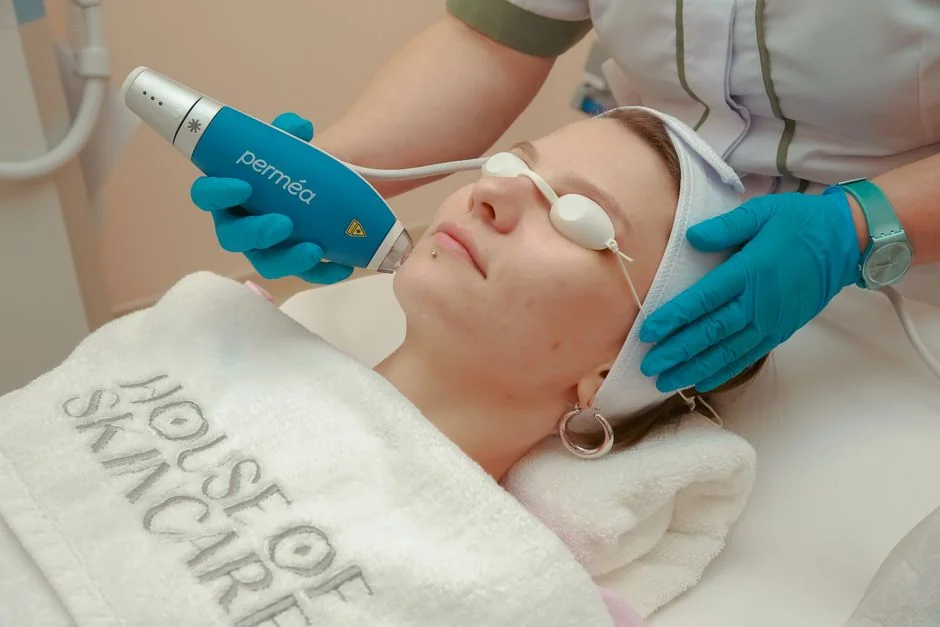
A thorough consultation is the essential first step. Your practitioner will assess your Fitzpatrick skin type, examine the target lesion or concern, and determine the appropriate laser, wavelength, and energy settings. In the weeks before treatment, you will typically be advised to avoid direct sun exposure, discontinue retinoids and certain topical actives, and — where clinically indicated — begin a pre-treatment protocol to reduce the risk of post-inflammatory hyperpigmentation. Patients on isotretinoin are generally advised to complete a washout period before ablative treatment.
During Treatment
Most laser sessions are performed as outpatient procedures without general anaesthesia. A topical numbing cream is applied approximately 30–60 minutes in advance to minimise discomfort. The procedure itself typically takes 15–45 minutes depending on the area treated. Patients commonly describe the sensation as mild heat or a snapping feeling. A cooling device or fan is often used concurrently to improve comfort.
After Treatment
Aftercare instructions vary by laser type. Following picosecond laser, strict sun avoidance and fragrance-free moisturiser are standard for at least one to two weeks. Following fractional CO2, a more intensive protocol is required: wound dressings in the first 24–48 hours, diligent sun protection for several weeks, and a pause on all actives including retinoids and exfoliating acids during healing. Following aftercare instructions precisely is important for minimising the risk of complications, particularly PIH in patients with higher Fitzpatrick skin types.
Who Is a Good Candidate?
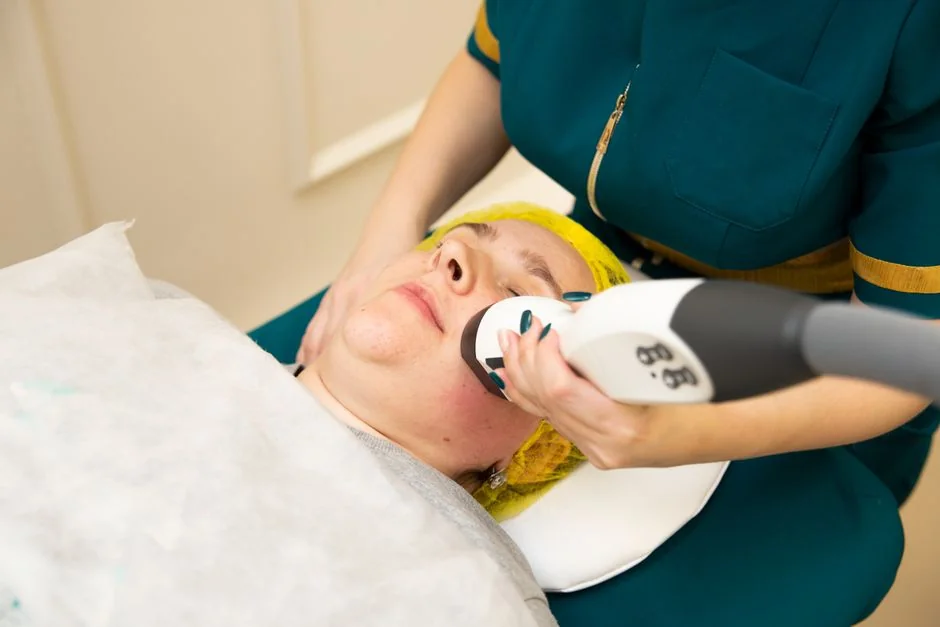
Most healthy adults with specific, treatable skin concerns — such as pigmented lesions, acne scars, or significant pore enlargement — are potential candidates for laser treatment. The following circumstances require caution, deferral, or specialist assessment:
- Active skin infections, open wounds, or actively inflamed acne in the treatment area
- Pregnancy or breastfeeding (most laser procedures are deferred until after this period)
- Recent or current use of isotretinoin (a washout period — typically around six months — is generally advised before ablative treatment)
- Personal or family history of keloid scarring (especially relevant for ablative procedures)
- Recent significant sun exposure or active tan
- Darker skin tones (Fitzpatrick IV–VI) — specialist assessment is particularly important to determine safe wavelength and energy parameters and to reduce PIH risk
In Dr. Karibe’s clinical experience at BIOTOPE CLINIC in Shirokanedai, patients with East Asian, South Asian, and Southeast Asian skin tones frequently present with pigmentation concerns well suited to picosecond laser treatment. In these cases, a careful pre-treatment assessment — including a test patch where appropriate — is a standard part of the approach to reducing the risk of post-inflammatory hyperpigmentation.
Where to Get Laser Skin Treatment in Tokyo
Within our clinic group, both BIOTOPE CLINIC (Shirokanedai, Minato-ku) and Kojimachi Dermatology & Plastic Surgery Clinic (Ichigaya, Chiyoda-ku) offer English-language consultation with Dr. Jun Karibe’s team. Laser skin treatments — including PicoWay picosecond laser and fractional CO2 laser — are handled at BIOTOPE CLINIC in Shirokanedai. Kojimachi Dermatology & Plastic Surgery Clinic is the group’s main office and focuses on insurance-covered dermatology and general plastic surgery. Bookings and enquiries in English: LINE or WhatsApp.
Patients visiting for their first appointment are encouraged to bring a list of current medications, a description of any prior laser or cosmetic treatments, and where possible, photographs of the skin concern taken in natural light. Consultations at BIOTOPE CLINIC are conducted in English, so the treatment plan, expected outcomes, aftercare requirements, and costs can be fully discussed before any procedure begins.
Frequently Asked Questions
- Q. How many sessions of picosecond laser will I need for sun spots or pigmentation?
- The number of sessions depends on the type, depth, and extent of the pigmentation. Clinical studies suggest that most patients with dermal pigmentation require two to three sessions for meaningful improvement, with results building progressively after each treatment. A practitioner will provide a personalised estimate at your consultation after examining the lesion directly.
- Q. Is laser treatment painful?
- Most patients tolerate laser sessions well following application of topical anaesthetic cream 30–60 minutes before treatment. A sensation of mild heat, stinging, or a rubber-band snap is common during the procedure. Fractional CO2 laser tends to involve slightly more discomfort than picosecond procedures due to its ablative nature, though this varies between individuals.
- Q. How long after laser treatment will I see results?
- For picosecond laser targeting pigmentation, initial improvement is often visible within two to four weeks as shattered pigment disperses and the skin heals. For fractional CO2 and acne scars, collagen remodelling continues for three to six months after each session, meaning the best results may not be fully apparent until that point.
- Q. Can I have laser treatment if I have a darker skin tone?
- Yes, but specialist assessment is essential. Higher Fitzpatrick skin types (IV–VI) carry a greater risk of post-inflammatory hyperpigmentation with certain laser settings. An experienced practitioner will select appropriate wavelengths and energy parameters, and may recommend a pre-treatment protocol to reduce that risk significantly before proceeding.
- Q. Is there a consultation available in English?
- Yes. Both BIOTOPE CLINIC in Shirokanedai and Kojimachi Dermatology & Plastic Surgery Clinic in Ichigaya offer English-language consultations with Dr. Jun Karibe’s team. Laser treatments are primarily handled at BIOTOPE CLINIC. Enquiries can be made in English via LINE or WhatsApp.
Have a question about this treatment?
Message us on LINE or WhatsApp — our English-speaking team usually replies the same day.
Summary
Laser skin treatment in Tokyo spans a range of proven technologies suited to different concerns. Picosecond lasers such as PicoWay address pigmentation — sun spots, melasma, ABNOM, and tattoo removal — with low downtime and a favourable safety profile for darker skin tones. Fractional CO2 laser offers more intensive skin resurfacing for acne scars and enlarged pores, with longer recovery time but significant remodelling potential. Both modalities are supported by published clinical evidence showing meaningful improvement rates when a complete course of sessions is undertaken. Results are not guaranteed and vary based on skin type, lesion characteristics, and adherence to aftercare.
If you have questions about laser skin treatment, both BIOTOPE CLINIC (Shirokanedai, Minato-ku) and Kojimachi Dermatology & Plastic Surgery Clinic (Ichigaya, Chiyoda-ku) offer English-language consultation with Dr. Karibe and his team. Laser treatment is primarily handled at BIOTOPE CLINIC in Shirokanedai. English enquiries: LINE or WhatsApp.
24/7 Consultation & Booking
Book a Consultation or Treatment
Our English-speaking team responds via LINE or WhatsApp — usually the same day.
References
- Han R, Sun Y, Su M. Efficacy and Safety of 730-nm Picosecond Laser for the Treatment of Acquired Bilateral Nevus of Ota-like Macules. Dermatologic Surgery. 2025.
- Ptaszek B, Czernecka M, Podsiadło S. The Use of a Fractional Laser in Acne Scar Treatment — A Systematic Review. Life (Basel). 2025.
- Ng CY, Wang TA, Lee HC, Huang BH, Tsai MT. In Vivo Identification of Skin Photodamage Induced by Fractional CO2 and Picosecond Nd:YAG Lasers with Optical Coherence Tomography. Diagnostics (Basel). 2022.
Related Articles
You may also find these articles useful.
- PicoWay Laser Tokyo: Pigmentation and Tattoo Removal
- Acne Scar Laser Treatment Tokyo: Cost and Real Results
- Dark Spot Removal Tokyo: Laser Treatment Options
- Melasma Treatment Tokyo: Causes and Best Solutions
- Skin Treatments in Tokyo: HIFU, Laser, Peel & HydraFacial — Downtime, Pain & Flying Guide
SUPERVISED BY
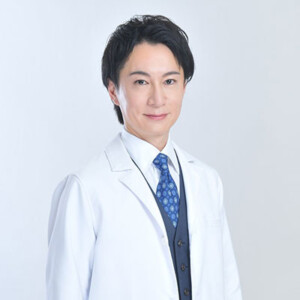
Dr. Jun Karibe
MD
Director
Education & Career
Certifications
Awards
MEDICAL REVIEW