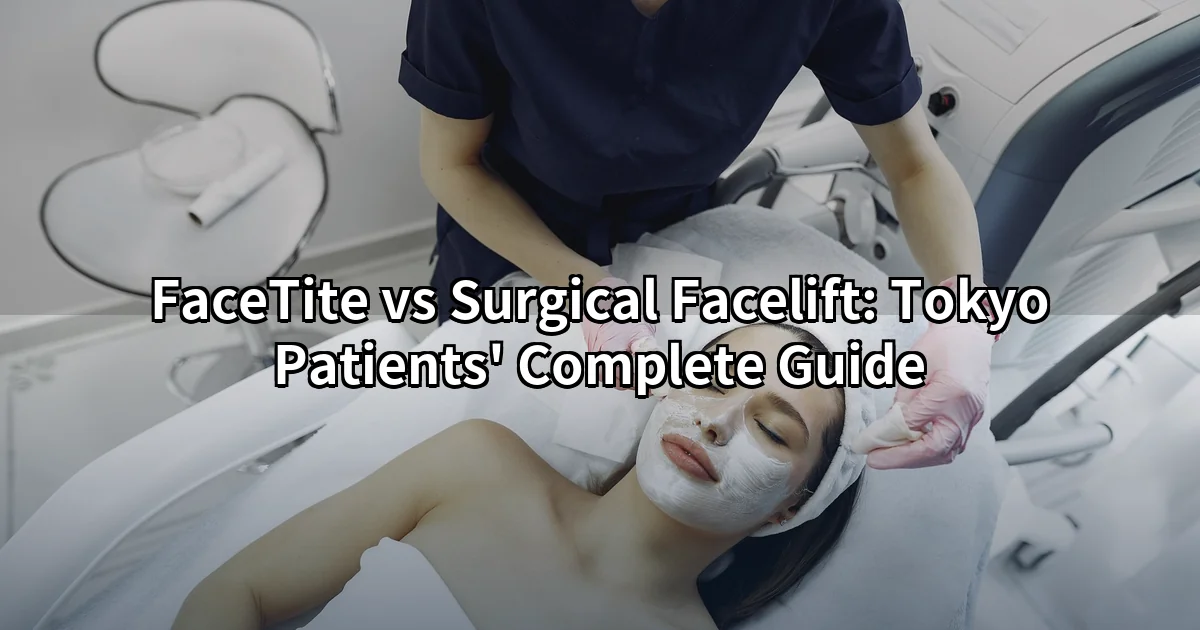
FaceTite vs Surgical Facelift in Tokyo: A Complete Guide for International Patients
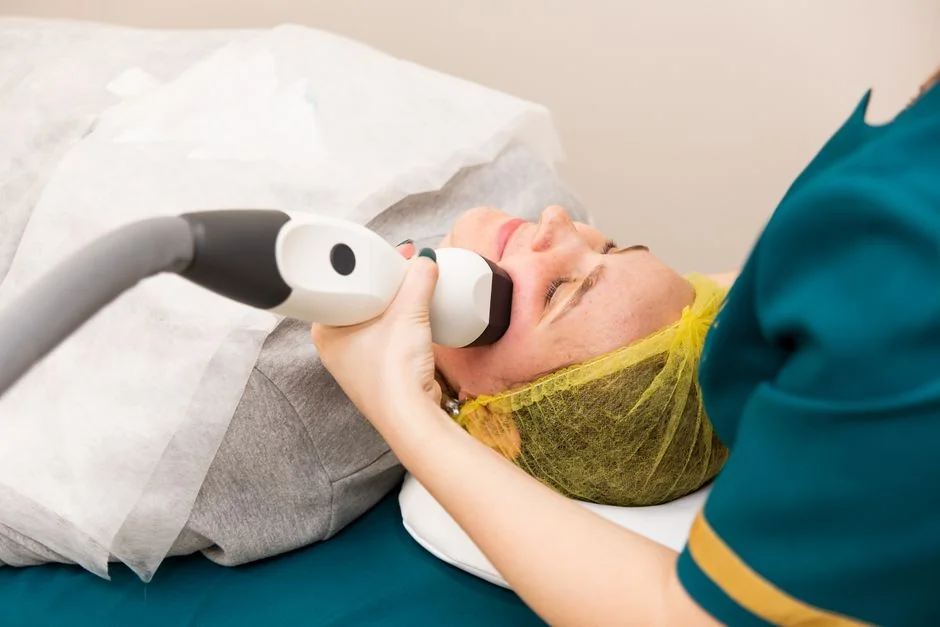
If you are researching facial rejuvenation in Tokyo and wondering whether FaceTite can deliver meaningful results without the recovery demands of a surgical facelift, you are not alone — this is one of the most common questions plastic surgeons and aesthetic physicians receive from patients in their forties and fifties.
Both procedures address similar concerns, but they do so through fundamentally different mechanisms, with different degrees of correction, different risks, and different recovery expectations. This article sets out exactly what each procedure involves, what published clinical evidence shows about outcomes, and how to decide which approach suits your anatomy and lifestyle.
What you will learn in this article:
- How FaceTite uses radiofrequency-assisted lipolysis (RFAL) to tighten skin and reduce submental fat without large incisions
- How surgical facelifts reposition the underlying SMAS layer for durable, structural facial rejuvenation
- A direct side-by-side comparison of results, downtime, risk profiles, and longevity
- Who is an ideal candidate for each approach — and who should be redirected to an alternative
- Realistic cost context for both procedures in Tokyo
Have a question about this treatment?
Message us on LINE or WhatsApp — our English-speaking team usually replies the same day.
What Is FaceTite?
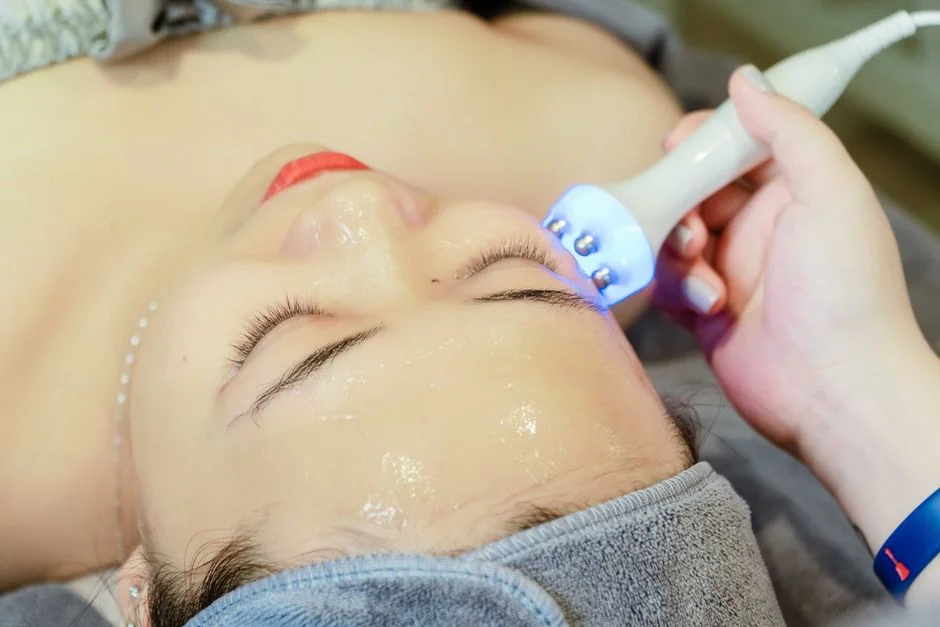
FaceTite is a minimally invasive device developed by InMode that uses radiofrequency-assisted lipolysis (RFAL) to heat and contract soft tissue in the lower face, jowls, and neck. The procedure simultaneously addresses two aspects of facial ageing: it gently emulsifies localised submental and jowl fat while delivering controlled thermal energy to the dermis and subdermal plane to induce collagen remodelling and skin contraction.
The device uses a bipolar configuration: a slender internal probe is inserted through an entry point of 1–2 mm, and an external electrode is held against the skin surface. Because current passes between both poles, the thermal energy is concentrated precisely in the subcutaneous plane rather than diffusing superficially. Real-time impedance and temperature monitoring prevents overheating, keeping tissue within the therapeutic window throughout the procedure.
The RFAL Technology Explained
When radiofrequency current passes through tissue, resistance converts the electrical energy into heat. At the dermal and sub-dermal level, sustained temperatures in the 38–42°C range cause collagen fibres to denature and shorten — producing immediate tissue contraction. This is followed by a remodelling phase that unfolds over three to six months, during which fibroblasts deposit new collagen, progressively firming the overlying skin.
A 2024 prospective cohort study published in Aesthetic Plastic Surgery (Tettamanzi et al) followed 80 patients who underwent RFAL of the face and neck over a 2016–2023 study period. At the six-month follow-up, overall patient satisfaction had increased from 22% preoperatively to 94%, with an average reduction in neck circumference of 23 mm. Complication rates were low: 5% of patients experienced temporary hyperesthesia that resolved within six months, and 7.5% required a revision procedure for residual laxity. No cases of hematoma, seroma, or fat necrosis were recorded.
FaceTite is part of a broader menu of contouring and lifting technologies at BIOTOPE CLINIC in Shirokanedai. Patients who want to understand how it compares to Embrace RF or HIFU — which address different tissue depths — are encouraged to raise this during a consultation with Dr. Karibe’s team.
What Is a Surgical Facelift?
A surgical facelift (rhytidectomy) is an operative procedure performed under general anaesthesia or deep intravenous sedation. The surgeon makes incisions typically running from the temple hairline, around the ear, and into the posterior hairline. Through these openings, the underlying superficial muscular aponeurotic system (SMAS) — the fibromuscular layer situated beneath the skin — is tightened, redraped, or repositioned before redundant skin is excised and incisions are closed.
The facelift addresses the anatomical basis of facial ageing: descent of the midface fat compartments, jowl formation from ligament laxity, deep nasolabial grooves, and neck banding from platysmal separation. Because it physically repositions and removes tissue, a surgical facelift achieves structural correction that no non-surgical approach can fully replicate.
SMAS and Deep-Plane Techniques
Modern facelift surgery has evolved considerably beyond simple skin excision. SMAS-based techniques — including SMAS plication, the high SMAS lift, the composite lift, and the deep-plane facelift — release and reposition the retaining ligaments of the midface and neck to restore volume, address jowls at their structural root, and improve neck contour in a way that resists early relapse.
A 2026 meta-analysis published in Medicina (Pandkhahi et al) comparing deep SMAS lifts with the MACS technique across 286 patients drawn from 20 studies found no statistically significant difference in complication rates between the two approaches, though deep SMAS techniques typically required longer operating time (190–222 minutes versus approximately 165 minutes for MACS). A separate systematic review published in JPRAS Open (Mortada et al, 2023) examined 27 studies comprising 6,086 facelift patients and reported temporary facial nerve injury in 0.85% of cases and hematoma in 1.62%, with over 85% of participants satisfied with their outcomes — a strong overall safety and satisfaction profile for appropriately selected patients managed by experienced surgeons.
Long-term published series and clinical reports generally indicate that deep-plane facelift results can be sustained for ten to fifteen years, reflecting the more fundamental anatomical correction achieved compared to superficial skin-only techniques.
FaceTite vs Surgical Facelift: A Side-by-Side Comparison
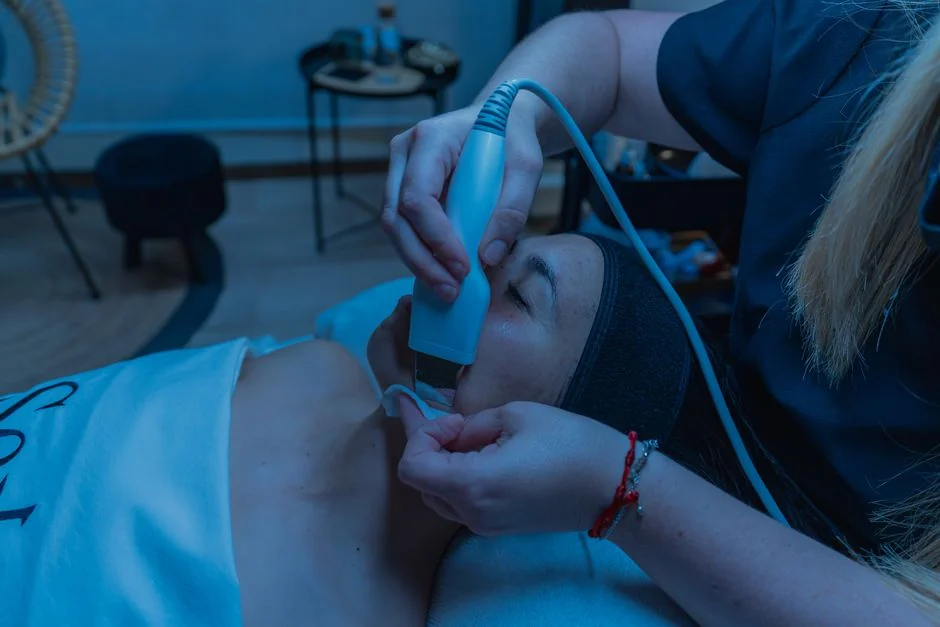
The table below summarises the most clinically relevant differences to help you and your physician frame the right conversation at your consultation.
| Feature | FaceTite (RFAL) | Surgical Facelift (Rhytidectomy) |
|---|---|---|
| Anaesthesia | Local anaesthesia with oral sedation | General anaesthesia or deep IV sedation |
| Entry points / Incisions | 1–2 mm entry points; no visible scars | Incisions from temple hairline to behind the ear |
| Tissue layer addressed | Dermis, subdermal fat, superficial soft tissue | Skin, SMAS, retaining ligaments, platysma |
| Typical procedure time | 60–90 minutes | 2.5–4 hours |
| Social downtime | 5–10 days (swelling, mild bruising) | 2–4 weeks (significant swelling and bruising) |
| Return to light work | 3–7 days | 10–14 days |
| Result longevity | Approximately 3–5 years | 10–15 years (deep-plane technique) |
| Degree of correction | Mild to moderate laxity; early jowling | Moderate to severe laxity; structural ageing |
| Visible scarring risk | Minimal (entry-point marks fade rapidly) | Linear scars typically concealed in hairline |
| Temporary nerve effects | Neuropraxia in approximately 1.2% of cases | Temporary nerve injury: 0.85% (systematic review) |
| Repeatability | Can be repeated; compatible with future surgery | Revision possible but technically more complex |
| Setting | Clinic-based procedure room | Accredited surgical facility or hospital theatre |
Expected Results and How Long They Last
FaceTite and a surgical facelift occupy different positions on the rejuvenation spectrum. Understanding this distinction — without over- or understating either option — is the most important step toward a well-matched treatment decision.
For FaceTite, the 2024 prospective study by Tettamanzi et al in Aesthetic Plastic Surgery provides among the most rigorously reported published data. Across 80 patients with a median age of 49, the combination of RFAL and neck contouring produced a 94% satisfaction rate at six months and an average 23 mm reduction in neck circumference. These are meaningful outcomes — and they are most reliably reproduced in patients with early to moderate laxity who have localised fat in the jowl or submental region. Patients with significant skin redundancy or advanced SMAS descent are less likely to achieve this level of satisfaction with FaceTite alone.
A 2022 systematic review in the Annals of Plastic Surgery (Swanson) evaluated 30 published studies on subsurface RF treatments including FaceTite and reported that the patient-reported “Worth It” rating on RealSelf for FaceTite was 77%. The same review noted that skin contraction outcomes in published photographs were often more modest than device-manufacturer figures suggested, and emphasised that appropriate patient selection is the strongest predictor of satisfaction.
Surgical facelifts, by contrast, produce structural change by repositioning the SMAS and removing redundant skin. The Mortada et al systematic review — which examined over 6,000 facelift patients — reported more than 85% satisfaction across all SMAS-based technique categories, with durability measured in years rather than months. Published long-term facelift series generally report that deep-plane techniques sustain their results for a decade or longer before revision is sought, a reflection of the more fundamental anatomical correction they achieve.
What to Expect: Before, During, and After
The FaceTite Experience
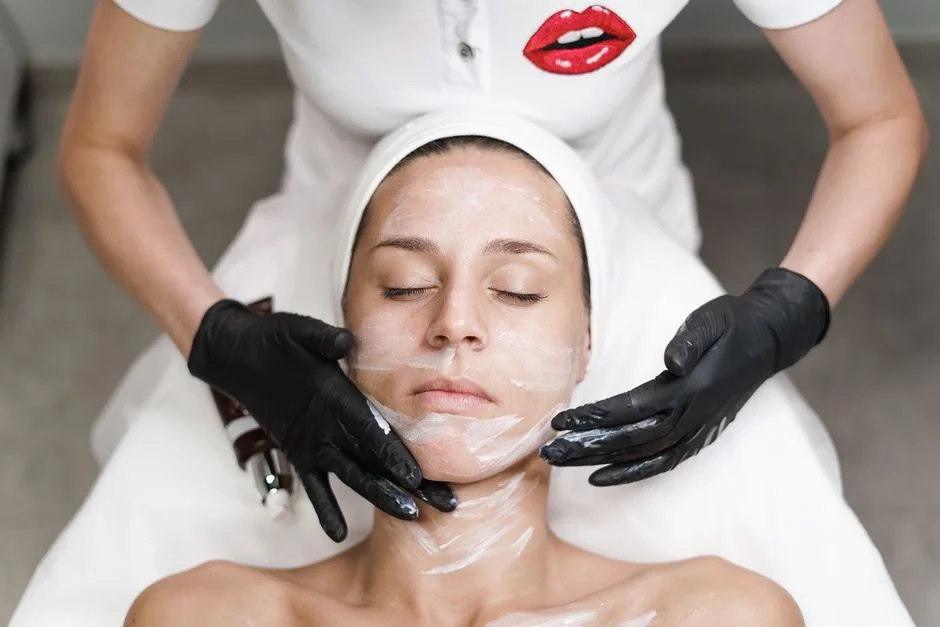
Before the procedure, the physician photographs the face under standardised lighting and reviews current medications, particularly anticoagulants, anti-inflammatory drugs, and herbal supplements that affect bleeding risk. On the day of treatment, tumescent local anaesthesia is injected into the planned zones — this combination of diluted anaesthetic and vasoconstrictive solution numbs the tissue, reduces bleeding, and helps define fat planes. The FaceTite handpiece is then introduced through entry points that are smaller than a boil incision. The physician works through the planned zones while the device console displays real-time temperature feedback; the procedure for the lower face and neck typically takes 60–90 minutes.
After treatment, a compressive chin strap or bandage is applied and typically worn for five to seven days. Swelling and mild bruising are expected for five to ten days — most patients with office-based roles feel comfortable returning to work within a week. The underlying result develops gradually over three to six months as newly stimulated collagen matures. Most protocols involve a single treatment session, though patients seeking further refinement can return for a repeat course.
The Surgical Facelift Experience
Preoperative preparation for a facelift typically includes full blood work, medical clearance, a detailed surgical consent process, and cessation of smoking for at least four weeks prior to the procedure to optimise wound healing. The operation is performed in an accredited surgical theatre under general anaesthesia or deep IV sedation. Depending on the technique — SMAS plication, composite, or deep-plane — the procedure runs from approximately 2.5 to 4 hours, with some surgeons performing concurrent neck platysmaplasty or adjunct fat grafting in the same sitting.
Post-operatively, surgical drains are sometimes placed for the first twenty-four hours. Significant swelling and bruising persist for two to three weeks, and most patients plan for a minimum of fourteen days away from professional and public commitments. Sutures are typically removed at five to seven days, with full incision-line maturation taking three to six months. Strenuous physical activity is restricted for four to six weeks. The final aesthetic result — freed of residual oedema — typically reveals itself at the three to four month mark.
Cost of FaceTite and Facelift in Tokyo
Both FaceTite and surgical facelifts are self-pay cosmetic procedures in Japan. Neither is covered by Japan’s public health insurance (Shakai Hoken or Kokumin Kenko Hoken), and most international private health insurance plans exclude elective cosmetic surgery unless there is a documented reconstructive or functional indication.
The cost of FaceTite in Tokyo depends on the number of zones treated, whether adjunct procedures — such as Morpheus8 RF microneedling, HIFU, or fat-dissolving injection — are performed in the same session, the experience level of the physician, and the facility. Surgical facelift fees are substantially higher, reflecting operating theatre costs, anaesthesia, surgical complexity, and post-operative nursing care. Costs vary considerably between clinics in Tokyo and should be confirmed with an up-to-date price schedule.
Because prices at any clinic can change, no specific figures are quoted here. Please see the clinic’s official price page or contact us for a current quote. For an accurate estimate tailored to your anatomy and goals, please book a consultation.
Have a question about this treatment?
Message us on LINE or WhatsApp — our English-speaking team usually replies the same day.
Who Is a Good Candidate?
Ideal Candidates for FaceTite
FaceTite produces its most predictable outcomes in patients aged approximately 35–55 with early to moderate skin laxity — particularly along the jowls, lower cheeks, and submental region — combined with localised submental or jowl fat. Patients with reasonably good skin elasticity respond most favourably, as the RFAL-induced collagen contraction effect is amplified when the existing dermal matrix still retains some resilience. FaceTite is also a sensible option for patients who cannot or prefer not to undergo general anaesthesia, those with genuine constraints on recovery time, and individuals who want a staged approach before committing to surgery later.
Presenting features that suggest FaceTite is appropriate include:
- Early jowling with descent of the lower cheek fat, but no major skin redundancy
- Localised submental or neck fat with mild to moderate skin laxity
- Desire for improvement without visible post-procedural scars
- A professional or lifestyle schedule that limits downtime to under one week
- Patients who have had prior facelift surgery and are seeking maintenance of their result
Ideal Candidates for Surgical Facelift
Patients with advanced skin redundancy, significant jowl descent, deep nasolabial folds, neck banding from platysmal separation, or substantial loss of jawline definition are unlikely to achieve meaningful correction from FaceTite alone. These patients require the structural repositioning and skin excision that only surgery can provide.
Surgical candidates typically present with:
- Moderate to severe skin redundancy of the lower face and neck
- Well-defined jowl formation with obliterated jawline contour
- Visible platysmal bands or significant submental skin excess
- Significant midface descent creating deep tear-trough or nasolabial shadowing
- Good overall health, realistic expectations regarding recovery and scarring, and suitability for anaesthesia
In Dr. Karibe’s consultation practice at BIOTOPE CLINIC, a commonly encountered presentation is a patient in their late forties or early fifties with moderate laxity who is genuinely uncertain whether they have crossed the threshold where surgery becomes necessary. For a meaningful proportion of these patients, a combination approach — FaceTite with Embrace RF or HIFU addressing different tissue depths — provides sufficient improvement to defer or avoid surgery altogether, while preserving the option of a facelift in the future.
What People Often Get Wrong About FaceTite
Misconception: “FaceTite is essentially a non-surgical facelift.”
This framing, while useful as a shorthand, is misleading in clinical practice. FaceTite heats tissue to induce collagen contraction and reduce localised fat — it does not reposition the SMAS layer, release the retaining ligaments of the midface, or physically remove redundant skin. The 2022 Swanson systematic review in the Annals of Plastic Surgery examined 30 published studies on subsurface RF treatments and observed that skin contraction results in published photographs were frequently more modest than manufacturer-reported figures, and that patients with structural facial ageing — descended SMAS, significant skin excess — were poorly served by RFAL alone. FaceTite is a meaningful advancement for appropriately selected patients with early laxity; it is not a substitute for surgery in those who genuinely need it.
Misconception: “FaceTite has no downtime at all.”
FaceTite requires far less recovery than a facelift, but it is not a no-downtime procedure. Swelling and bruising — particularly in the jowl and submental region — are common for five to ten days, and wearing a compression garment is recommended for the first week. In the Tettamanzi et al 2024 cohort, 5% of patients experienced temporary hyperesthesia, indicating that the thermal treatment produces a genuine biological response. Patients with important public or professional engagements in the first ten days after treatment should plan accordingly.
Where to Get FaceTite or Facelift Consultation in Tokyo
Within our clinic group, both BIOTOPE CLINIC (Shirokanedai, Minato-ku) and Kojimachi Dermatology & Plastic Surgery Clinic (Ichigaya, Chiyoda-ku) offer English-language consultation with Dr. Jun Karibe’s team. FaceTite and other minimally invasive facial contouring procedures — including Embrace RF, HIFU, and Morpheus8 RF microneedling — are handled at BIOTOPE CLINIC in Shirokanedai, where Dr. Karibe conducts personal consultations. Surgical facelift procedures, along with insurance-covered dermatology and general plastic surgery, are conducted at Kojimachi Dermatology & Plastic Surgery Clinic in Ichigaya, the group’s main facility. Bookings and enquiries in English: LINE or WhatsApp.
Frequently Asked Questions
- Q. Can FaceTite replace a surgical facelift entirely?
- For patients with mild to moderate laxity and early jowling, FaceTite can produce clinically meaningful improvement without surgery — the 2024 Tettamanzi study reported 94% satisfaction at six months in a well-selected cohort. However, FaceTite cannot replicate the SMAS repositioning or skin removal that a facelift provides, and patients with moderate to advanced ageing changes will generally achieve better long-term correction through surgery. A consultation is the only reliable way to determine which category applies to you.
- Q. Is FaceTite available in Japan?
- InMode, the manufacturer of FaceTite, maintains a direct commercial and sales presence in Japan. FaceTite is offered as part of the facial contouring menu at BIOTOPE CLINIC in Shirokanedai. For the most current availability and treatment details, please contact the clinic directly.
- Q. How long does FaceTite last compared with a surgical facelift?
- FaceTite results are generally expected to last in the range of three to five years, depending on the individual’s skin quality, age at treatment, and lifestyle factors including sun exposure and weight stability. Surgical facelifts — particularly deep-plane techniques — are associated with considerably greater durability: published long-term series and clinical reports indicate result longevity of ten to fifteen years. FaceTite can be repeated over time, and many patients incorporate it into a longer-term aesthetic maintenance plan.
- Q. Is FaceTite painful? What anaesthesia is used?
- FaceTite is performed under tumescent local anaesthesia supplemented by oral sedation; most patients report mild discomfort rather than significant pain during the procedure itself. Post-procedurally, tightness, sensitivity, and mild soreness in the treated area are common for three to five days. Surgical facelifts require general anaesthesia or deep IV sedation and are associated with greater postoperative discomfort during the first one to two weeks of recovery.
- Q. Can FaceTite be combined with other treatments at BIOTOPE CLINIC?
- Yes. FaceTite is commonly combined with Morpheus8 RF microneedling, which addresses the superficial dermis for texture and fine-line improvement, or with HIFU, which targets the deep dermis and SMAS through a non-invasive route. Fat-dissolving injections can also be added for specific localised deposits. Your physician at BIOTOPE CLINIC will advise which combination offers the most appropriate benefit-to-risk balance for your anatomy during a personal consultation.
Have a question about this treatment?
Message us on LINE or WhatsApp — our English-speaking team usually replies the same day.
Summary
FaceTite and surgical facelifts are not interchangeable — they address different degrees of facial ageing and are suited to different patients. FaceTite, through RFAL technology, is a well-tolerated, low-downtime option for adults with early to moderate laxity who seek meaningful improvement without surgery, general anaesthesia, or an extended recovery period. Published clinical data — including a 2024 prospective study in Aesthetic Plastic Surgery reporting 94% patient satisfaction and an average 23 mm reduction in neck circumference at six months — support its use in carefully selected individuals. Surgical facelifts remain the standard of care for moderate to severe facial ageing, delivering structural repositioning and skin removal with result longevity that is measured in decades. A systematic review of over 6,000 facelift patients (Mortada et al, JPRAS Open, 2023) reported more than 85% satisfaction across SMAS-based techniques and a low complication profile in experienced hands.
The right choice depends on the degree of your anatomical change, your goals, your tolerance for recovery, and a frank assessment by a board-certified plastic surgeon who can evaluate your tissue quality in person. Neither procedure is universally superior — each is the best option for the patient it is designed for.
If you have questions about FaceTite or surgical facelift options, both BIOTOPE CLINIC (Shirokanedai, Minato-ku) and Kojimachi Dermatology & Plastic Surgery Clinic (Ichigaya, Chiyoda-ku) offer English-language consultation with Dr. Karibe and his team. FaceTite and minimally invasive facial contouring are primarily handled at BIOTOPE CLINIC in Shirokanedai. English enquiries: LINE or WhatsApp.
24/7 Consultation & Booking
Book a Consultation or Treatment
Our English-speaking team responds via LINE or WhatsApp — usually the same day.
References
- Tettamanzi M, et al. Advancements in Face and Neck Contouring: Integrating Radiofrequency-Assisted Liposuction with FaceTite and Buccal Fat Pad Excision for Facial Slimming. Aesthetic Plastic Surgery. 2024.
- Swanson E. A Systematic Review of Subsurface Radiofrequency Treatments in Plastic Surgery. Annals of Plastic Surgery. 2022.
- Mortada H, et al. Evolution of Superficial Muscular Aponeurotic System Facelift Techniques: A Comprehensive Systematic Review of Complications and Outcomes. JPRAS Open. 2023.
- Pandkhahi A, et al. Comparison of Deep SMAS Lift and MACS in Facelift: A Meta-Analysis. Medicina (Kaunas). 2026.
Related Articles
You may also find these articles useful.
- FaceTite Tokyo: RF-Assisted Lipolysis for Facial Contouring
- FaceTite for Jawline and Neck Tokyo: Results, Downtime, Cost
- Embrace RF vs HIFU vs Deep Plane Facelift: Tokyo Guide
- Deep Plane Facelift in Tokyo, Japan: Cost & Clinics
- Embrace RF Tokyo: FaceTite Plus Morpheus8 Explained
SUPERVISED BY
Dr. Jun Karibe
MD
Director
Education & Career
Certifications
Awards
MEDICAL REVIEW