What Is Artmake?
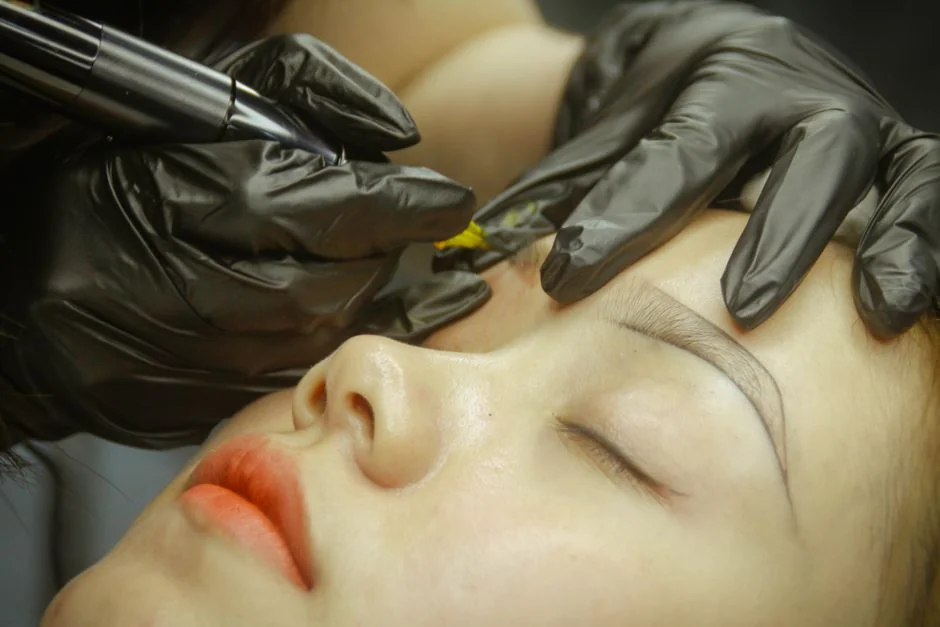
Artmake (アートメイク) is the Japanese term for medical permanent makeup — a cosmetic procedure in which pigment is deposited into the superficial layers of the skin to create long-lasting enhancements to the eyebrows, eyelids, or lips. In English, the same procedure may be called micropigmentation, cosmetic tattooing, or permanent makeup.
Unlike a conventional body tattoo, which drives pigment deep into the dermis, artmake targets the uppermost dermal layers. This shallower placement means the results are semi-permanent rather than lifelong: depending on skin type, sun exposure, and lifestyle, artmake typically fades over one to three years, at which point a touch-up session is advisable.
In Japan, artmake is legally classified as a medical act under Article 17 of the Medical Practitioners’ Act (医師法). The Ministry of Health, Labour and Welfare has issued official notifications confirming that introducing pigment into the skin via needle constitutes a medical practice that may only be performed by a licensed physician or a nurse working under physician supervision. This regulatory framework is a meaningful patient safety advantage that distinguishes Japan from many other countries.
| Feature | Artmake (Japan) | Microblading | Conventional tattoo |
|---|---|---|---|
| Technique | Machine-driven fine needle(s) | Manual blade — eyebrows only | Machine-driven needle |
| Skin depth | Superficial dermis | Superficial dermis | Deep dermis |
| Longevity | 1–3 years (semi-permanent) | 1–2 years (semi-permanent) | Decades (permanent) |
| Areas treated | Brows, eyelids, lips | Eyebrows only | Any body area |
| Legal status in Japan | Medical act — physician only | Medical act — physician only | Governed by separate regulation |
| Reversal | Laser removal possible, not guaranteed | Laser removal possible, not guaranteed | Very difficult to remove |
How Artmake Works — Technique and Pain
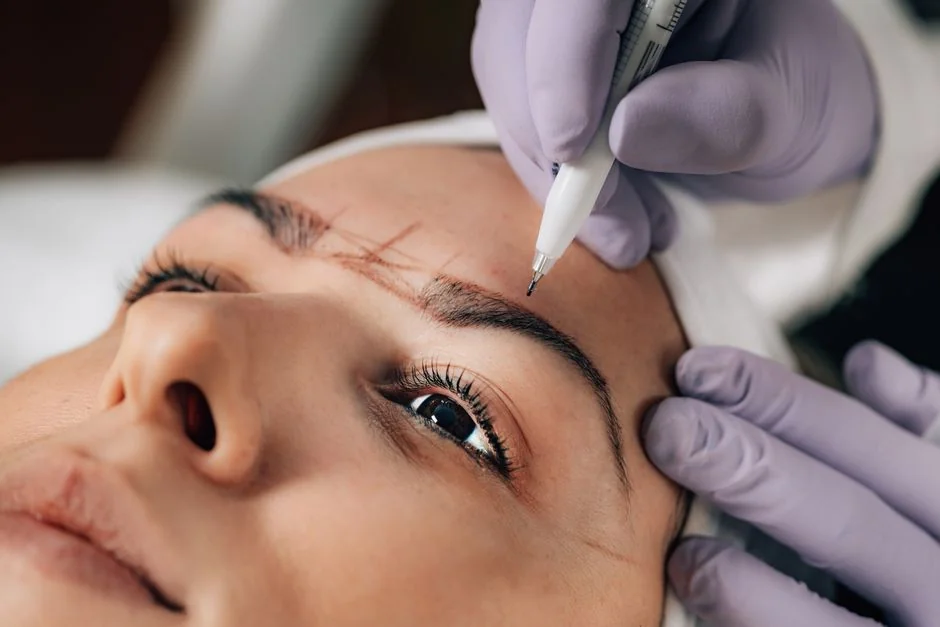
The procedure
A licensed physician or nurse uses a fine digital pen device to deposit pigment into the uppermost dermis with precisely controlled depth and speed. The practitioner works across the treatment area in methodical passes, building colour and definition gradually. A single area — such as the eyebrows — typically takes 60–90 minutes, inclusive of anaesthetic application time.
Numbing and pain management
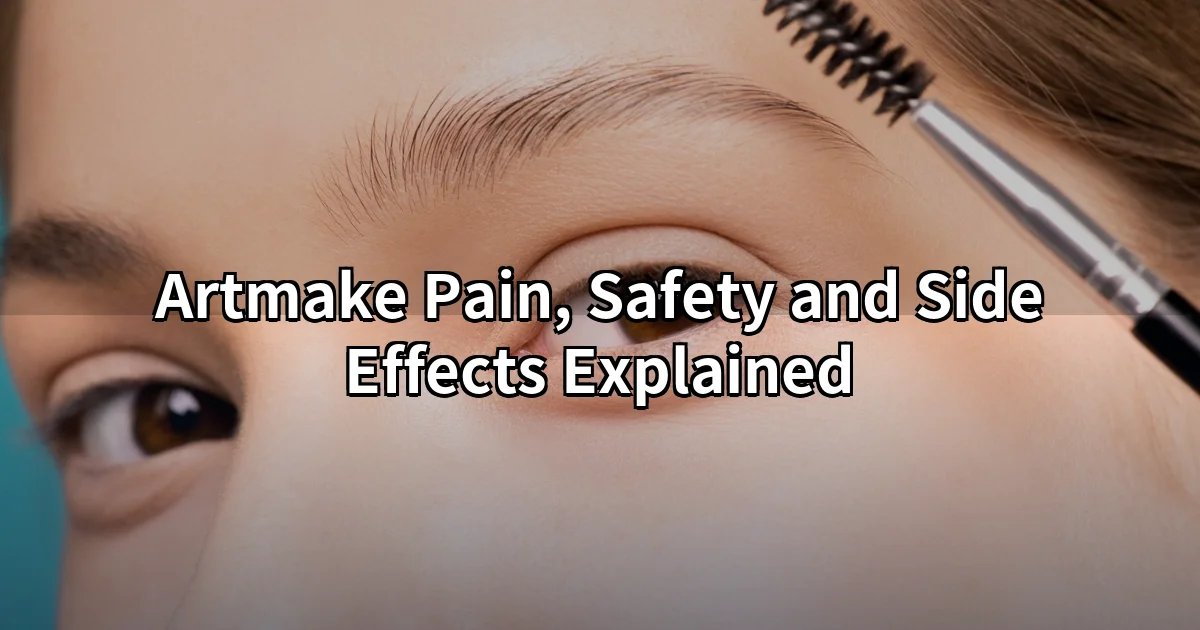
A topical anaesthetic cream is applied to the treatment area and left in place for 20–30 minutes before the procedure begins. Most patients describe the sensation as a mild scratching or vibrating pressure rather than sharp pain. Tolerance varies between individuals, and the eyelid and lip areas tend to be more sensitive than the brow area.
Describing artmake as “painless” is not accurate. The anaesthetic cream reduces sensation substantially, but some awareness of the procedure is normal and expected. A thorough pre-procedure consultation gives patients the opportunity to discuss pain management and address concerns before the appointment.
Medications to declare
Inform your doctor if you are taking blood-thinning agents — including regular use of aspirin or ibuprofen — anticoagulant therapy, or topical or oral retinoids. These can affect bleeding, pigment uptake, and healing.
Side Effects and Safety — What the Evidence Shows
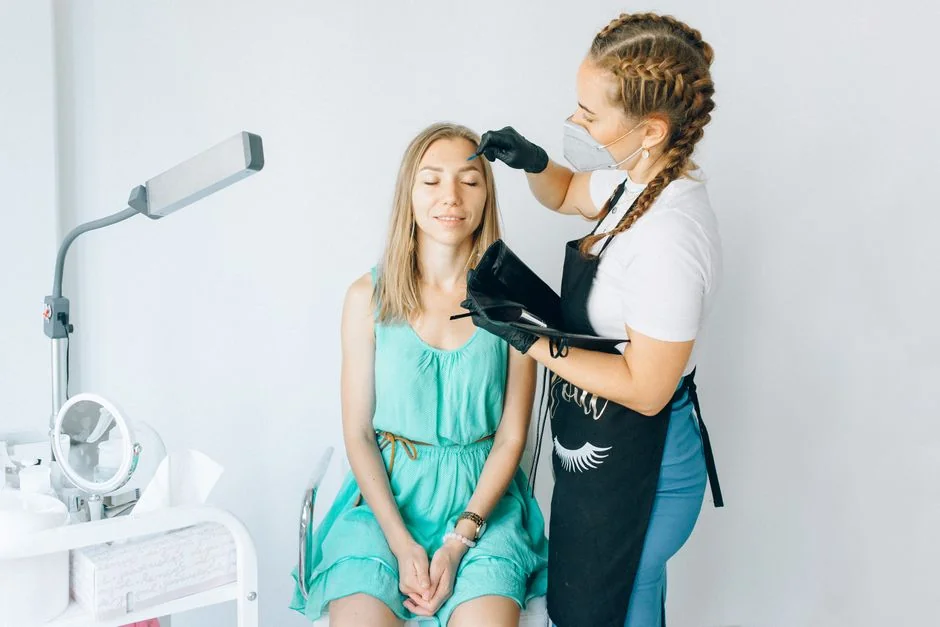
Documented complication rates
A 2021 clinical study published in the journal Medicine (Tomita et al.) surveyed 1,352 patients who received eyebrow and eyeline artmake at the Shibuya Mori Clinic in Tokyo between 2016 and 2020, using inorganic pigments including iron oxide and titanium dioxide. Key findings were:
- Overall complication rate: 12.1% — with no complications persisting at follow-up
- Eyebrow procedures — most common complication: itching, in 8.2% of patients
- Eyeline procedures — most common complication: swelling, in 13.2% of patients
- Local infections: 0.2% (3 cases across 1,352 patients)
- Allergic reactions to the inorganic pigments used: none detected
- Patient satisfaction with the aesthetic outcome: 89.6%
The Cleveland Clinic describes the ordinary reactions following micropigmentation as a small amount of bleeding, swelling, and crusting — all of which are temporary and expected.
Less common but important risks
The U.S. Food and Drug Administration documents the following risks for permanent makeup procedures: allergic reactions, granuloma formation (nodules that can develop months or even years after the procedure as the body responds to pigment particles), keloid scarring in predisposed individuals, increased sunburn sensitivity in the treated area, and — in rare cases — swelling or burning sensations in tattooed facial areas during MRI head scans.
For eyeliner artmake specifically, the Cleveland Clinic highlights the risk of ectropion (the eyelid turning away from the eyeball), loss of eyelashes, crusting, and eyelid injury if the procedure is not performed with appropriate precision. This underlines why selecting a physician-led clinical environment is particularly important for eye-area procedures.
Common misconceptions
Misconception: Artmake is the same as a regular tattoo.
Artmake places pigment in the superficial dermis, whereas conventional tattooing penetrates to a much greater depth. Because the upper skin layers regenerate over time, artmake fades and requires periodic maintenance — a conventional tattoo does not. In Japan, artmake is separately classified as a regulated medical act, which carries distinct legal obligations for the practitioner.
Misconception: Artmake is completely painless.
Topical anaesthetic cream significantly reduces discomfort, but there is typically some awareness of the procedure, particularly around the eyes and lips. Patients should be cautious of any clinic that promises a fully pain-free experience — accurate pre-procedure counselling includes a realistic discussion of sensation management.
Healing and Aftercare
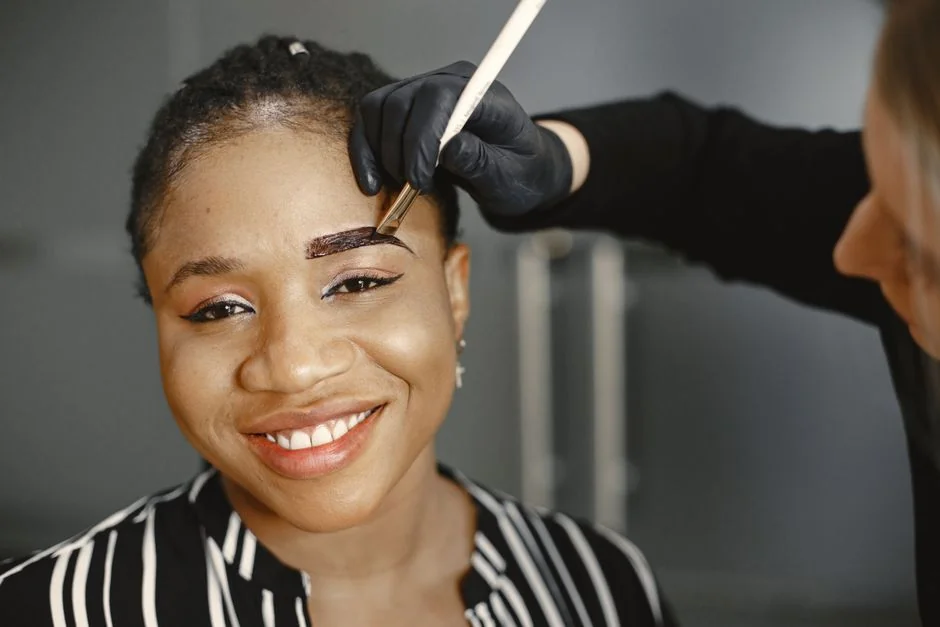
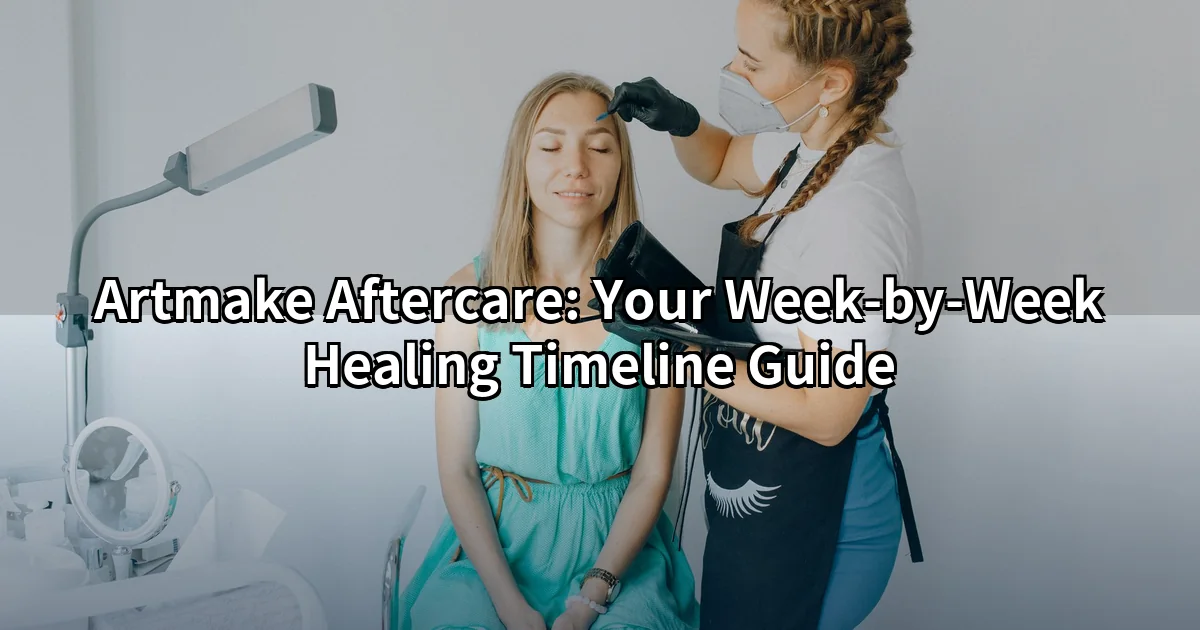
The initial healing phase after artmake takes approximately one to two weeks. During this period:
- The treated area will appear darker and more defined than the eventual healed result — this is a normal part of the healing process
- Redness, swelling, and light scabbing or flaking are expected, particularly in the first 48–72 hours
- Picking, rubbing, or peeling the healing skin should be avoided, as this can cause patchy pigment loss
- Sensitivity to water is common in the first 7–10 days; keeping the area as dry as possible during this window is standard guidance
Your treating physician or nurse will provide a written aftercare protocol. Instructions typically include applying a prescribed ointment, avoiding direct sunlight on the treated area, refraining from swimming and saunas, and not applying cosmetics directly over the healing artmake until the skin has fully recovered.
A touch-up session is normally scheduled four to eight weeks after the initial appointment to assess pigment retention, even out any areas of fading, and refine the result.
Who Is a Good Candidate?
Suitable candidates
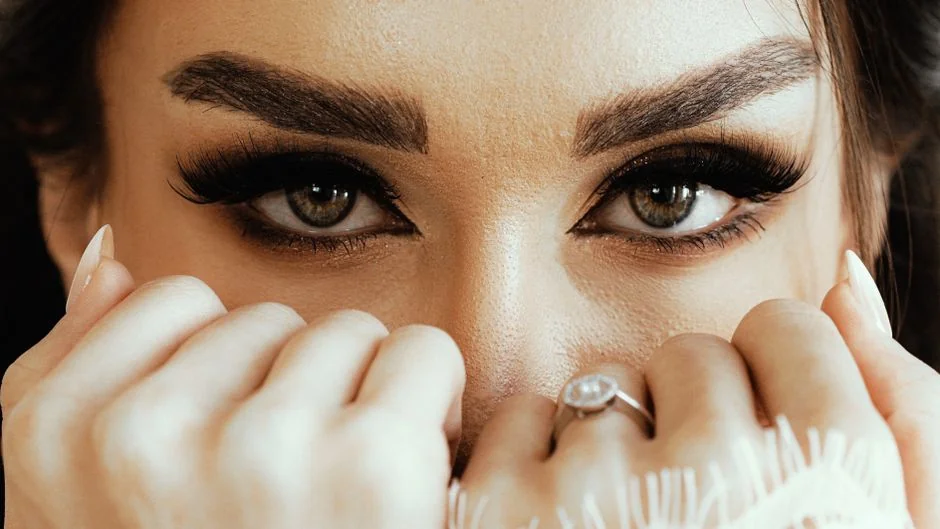
Most healthy adults are suitable candidates for artmake. The procedure is often sought by patients who have sparse or asymmetric eyebrows, have conditions such as alopecia that affect hair growth, find daily makeup application difficult due to dexterity or visual impairment, or are looking for a reliable enhancement that withstands an active lifestyle, sport, or Tokyo’s climate.
Contraindications and cautions
Artmake may not be appropriate for patients with active skin infections or eczema in the treatment area, a documented allergy to topical anaesthetics, a personal history of keloid or hypertrophic scarring, pregnancy or breastfeeding, certain autoimmune conditions or immunosuppressive therapy, or who are currently taking anticoagulants, retinoids, or isotretinoin. The treating physician will review your full medical history and current medications at the consultation and advise accordingly.
Cost in Tokyo
Because artmake in Japan is a physician-administered medical procedure, it is priced to reflect the clinical setting, practitioner licensing requirements, and the standard of care involved. Costs vary between clinics and depend on the area treated, the technique selected, and the number of sessions required — most first-time patients need at least two sessions for a complete result.
Please see the BIOTOPE CLINIC official price page or contact our English-speaking team via LINE or WhatsApp for a current quote. Pricing is confirmed at consultation and may differ from any figures seen on third-party websites.
Have a question about this treatment?
Message us on LINE or WhatsApp — our English-speaking team usually replies the same day.
Where to Get Artmake in Tokyo — BIOTOPE CLINIC
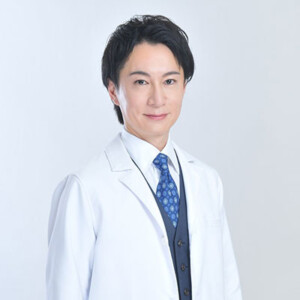
Within our clinic group, artmake is performed at BIOTOPE CLINIC in Shirokanedai (Minato-ku), directed by Dr. Jun Karibe. Our English-speaking team covers both clinics and handles all English enquiries.
BIOTOPE CLINIC is located at 4-9-10 Shirokanedai, Minato-ku, Tokyo (Green Leaves Building, 2F), one minute on foot from Exit 1 of Shirokanedai Station on the Toei Mita Line. The clinic provides medical artmake for the eyebrows, eyelids, and lips within a fully regulated medical environment.
Kojimachi Dermatology and Plastic Surgery Clinic — our Ichigaya location in Chiyoda-ku — does not perform artmake. Because both clinics share the same English-speaking intake team, however, you are welcome to contact either location via LINE or WhatsApp to ask questions, confirm availability, or arrange a consultation at BIOTOPE CLINIC.
Frequently Asked Questions
- Q. How long does artmake last?
- Results are semi-permanent and typically require a refresh after one to three years, depending on skin type, lifestyle, and sun exposure. A touch-up session is generally scheduled four to eight weeks after the initial procedure, with maintenance recommended as fading occurs over subsequent years.
- Q. Can I have an MRI scan after artmake?
- The U.S. Food and Drug Administration notes rare reports of mild swelling or burning sensations in tattooed facial areas during MRI head scans. Always inform the radiologist and MRI technician that you have artmake before your scan. Modern facilities are well versed in managing patients with cosmetic tattooing and can advise on any precautions.
- Q. What if I am not satisfied with the colour or shape?
- Artmake can be lightened or removed using laser treatment, though complete removal is not always achievable and may require multiple sessions. Because correction carries its own time and cost, a detailed pre-procedure consultation — during which colour, shape, and technique are agreed — is a standard and important part of the process at BIOTOPE CLINIC.
- Q. Is artmake safe for sensitive skin?
- A patch test of the intended pigment can be arranged before the procedure to screen for adverse reactions. A 2021 clinical study from a Tokyo artmake clinic found no allergic reactions to standard inorganic pigments in 1,352 patients, though individual responses vary. Disclose your full skin history at the consultation so the treating physician can assess suitability and recommend the most appropriate pigment formulation.
Have a question about this treatment?
Message us on LINE or WhatsApp — our English-speaking team usually replies the same day.
Summary
Artmake is a semi-permanent cosmetic procedure that in Japan is legally classified as a medical act, performed exclusively by licensed physicians or nurses under physician supervision. When carried out in a qualified medical clinic, published clinical evidence from Tokyo practice shows a low rate of serious complications, a predictable healing window of one to two weeks, and high patient satisfaction. Pain is manageable with topical anaesthetic cream, though some sensation during the procedure is a realistic expectation — particularly around the eyes and lips.
The most effective safety step you can take is choosing a clinic that operates within Japan’s regulatory framework, completing a thorough pre-procedure consultation that covers your full medical history, and entering the process with a realistic understanding of expected results and the care they require.
24/7 Consultation & Booking
Book a Consultation or Treatment
Our English-speaking team responds via LINE or WhatsApp — usually the same day.
References
- Tomita S, Mori K, Yamazaki H, Mori K. Complications of permanent makeup procedures for the eyebrow and eyeline. Medicine. 2021;100(18):e25755.
- Suleman S, Villegas M, Davis T, Stevens CS, Castaneda P. Chronic granulomatous reaction to semi-permanent eyebrow tint. Cureus. 2023; PMC10449613.
- Cleveland Clinic. Micropigmentation (permanent makeup): how it’s done, risks. Cleveland Clinic Medical Encyclopedia; reviewed 2022.
- U.S. Food and Drug Administration. Tattoos, temporary tattoos and permanent makeup. FDA.gov. Available at: https://www.fda.gov/cosmetics/cosmetic-products/tattoos-temporary-tattoos-permanent-makeup
- Monolith Law Office. Is permanent makeup considered a medical practice? Understanding the notification from the Ministry of Health, Labour and Welfare that beauty clinics should heed. Monolith Law; 2023.
Related Articles
You may also find these articles useful.
- Artmake Aftercare Guide: Healing Timeline & What to Avoid
- Eyebrow Artmake Tokyo: Cost, Procedure & Clinic Guide
- Eyeliner Artmake Tokyo: Safety, Technique & Expected Results
- Lip Artmake Tokyo: Color Choice, Healing & Results Guide
- Artmake vs Microblading vs Tattoo: Differences in Tokyo
SUPERVISED BY
Dr. Jun Karibe
MD
Director
Education & Career
Certifications
Awards
MEDICAL REVIEW