What Is Buried Suture and Incisional Double Eyelid Surgery?
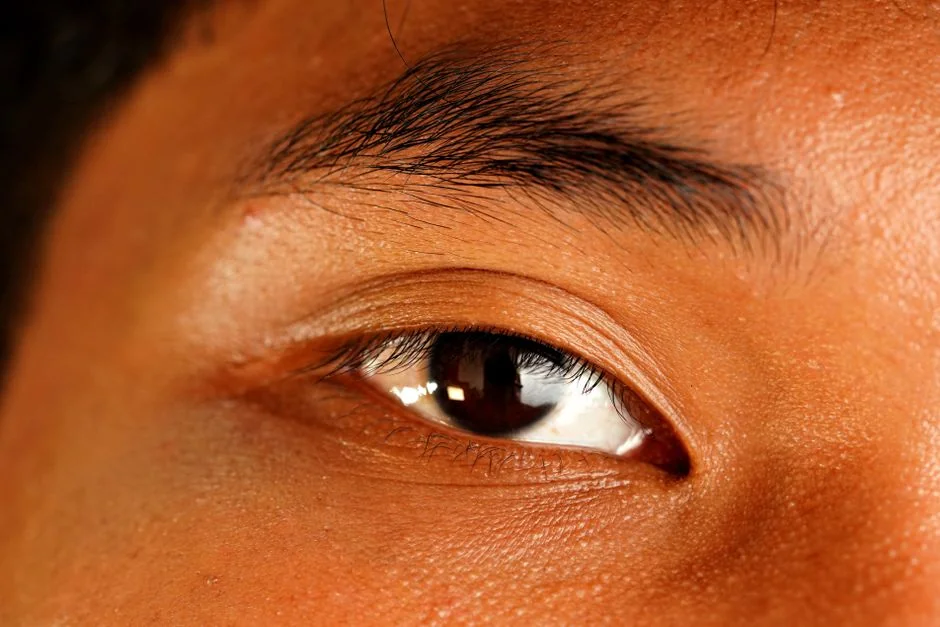
Both procedures aim to create a permanent upper eyelid crease (a “double eyelid”) in eyes that currently have a single, uncreased lid.
The difference lies in how that crease is engineered. The buried suture method places a small number of sutures beneath the skin to tack the skin down to the deeper eyelid structures — the tarsal plate or levator aponeurosis — without cutting the skin open.
The incisional method instead opens the eyelid along the planned crease line, allows the surgeon to trim excess skin, fat, or muscle as needed, and closes the incision in a way that fuses the skin to the underlying tissue as it heals. Clinical descriptions place the two techniques on a spectrum: non-incisional suture ligation at one end, and full external incision at the other, with the choice largely driven by how much tissue needs to be addressed and how permanent the patient wants the result to be.
How Each Method Works
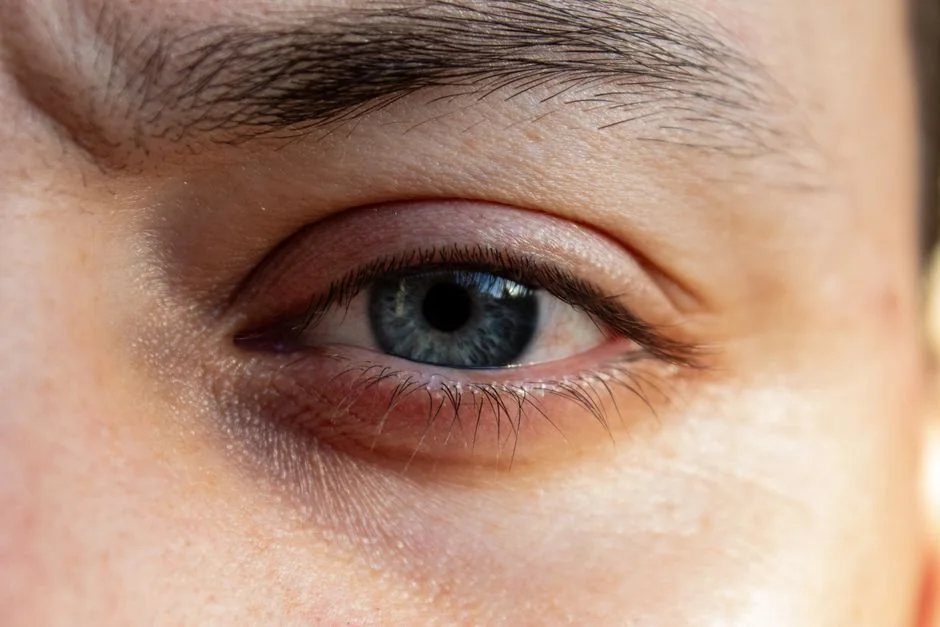
Buried Suture Method
A fine needle passes a suture through several small entry points in the eyelid skin, looping it around the tarsal plate or levator aponeurosis before tying it off internally. No skin or fat is removed. Because the tissue is not cut open, swelling tends to be more limited and settles faster than after an incisional procedure.
The trade-off is that the crease depends on scar tissue forming around the suture track rather than a full surgical adhesion. In eyelids with thicker skin or more fat — a pattern that is common, though not universal, among Chinese-American patients — that tension can loosen over time, and the crease can soften, become asymmetric, or disappear.
Incisional Method
The surgeon opens the eyelid along the crease line, removes the amount of excess skin, orbicularis muscle, or fat that is contributing to a heavy, unlined lid, and then closes the incision so the skin adheres directly to the tarsal plate or levator aponeurosis.
This method is also referred to as a passive, static approach because the crease forms through direct tissue fusion rather than suture tension alone, which is one reason it is generally considered more stable, particularly in eyelids with more fat or looser skin.
The visible cost is a fine scar along the crease line, which typically fades over months but is not entirely eliminated. Recovery is also longer, since tissue has genuinely been cut and needs to heal.
Chinese-American Eyelid Anatomy: What Makes It Different
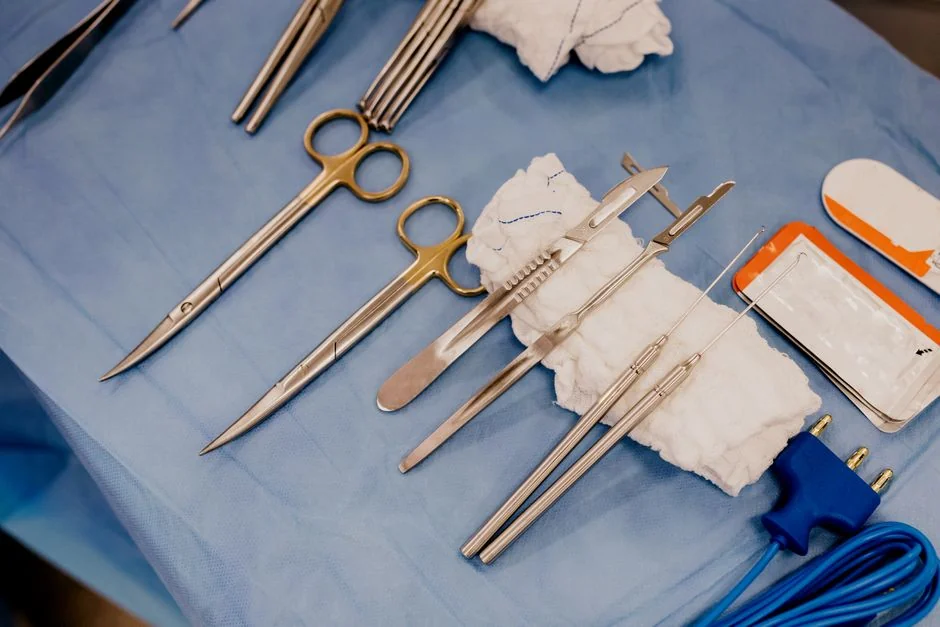
Not every East Asian eyelid is anatomically the same, and this matters for treatment planning. Chinese eyelids very commonly retain a prominent epicanthal fold — the small skin fold that covers the inner corner of the eye — which can visually shorten the eye and, if untreated, cause the medial portion of a surgically created crease to disappear behind the fold. Anatomical reviews attribute this fold to redundant preseptal orbicularis oculi muscle rather than a lack of skin, which is why simply creating a crease without addressing the fold can leave an uneven, “outer-only” result.
Asian eyelids as a group have also been described as having up to four distinct fat compartments — subcutaneous, pretarsal, preseptal (submuscular), and orbital fat — with the pretarsal and preseptal layers tending to be thicker than in eyelids without an epicanthal fold.
This extra fat is a physical obstacle to the levator aponeurosis reaching the skin, which is part of why a single eyelid forms in the first place. Structurally, the tarsal plate itself also tends to be shorter: one clinical reference source puts the average tarsal plate height at roughly 8.2 mm in Japanese eyelids compared with about 10.1 mm in Caucasian eyelids, with the crease sitting lower and closer to the lash line as a result of weaker skin attachments from the levator aponeurosis. Chinese eyelids generally follow this same broader East Asian pattern.
In practice, this means two things for treatment choice. First, eyelids with a heavier epicanthal fold or thicker pretarsal fat are mechanically harder for a buried suture alone to hold long-term, since there is more tissue weight pulling against the suture tension.
Second, some patients benefit from combining crease surgery with a separate, smaller procedure — medial epicanthoplasty — to soften the fold rather than expecting the crease surgery alone to correct it.
At BIOTOPE CLINIC in Shirokanedai, we frequently see patients who assumed a suture-only procedure would suit their eyelid shape, when an examination shows enough pretarsal fat that an incisional or fat-reducing approach is likely to hold its result more predictably.
Cost of Double Eyelid Surgery in Tokyo
Pricing depends on the technique, the number of suture points (for buried suture), and whether fat or tissue removal is included. As a general guide from current published clinic pricing in Tokyo:
- Buried suture, 2-point: roughly in the low tens of thousands of yen per eye, and modestly more for both eyes
- Buried suture, 4-point: a step up from 2-point pricing, reflecting the additional fixation points
- Buried suture, 6-point: priced higher again, generally chosen for less stable eyelid shapes
- Incisional method (full incision): the highest of the listed options, reflecting the longer procedure and tissue removal involved
Please see the clinic’s official price page or contact us for a current quote, since pricing is reviewed periodically and can vary based on individual anatomy and whether fat removal or epicanthoplasty is added. For an accurate quote, please book a consultation.
Have a question about this treatment?
Message us on LINE or WhatsApp — our English-speaking team usually replies the same day.
What to Expect: Before, During and After
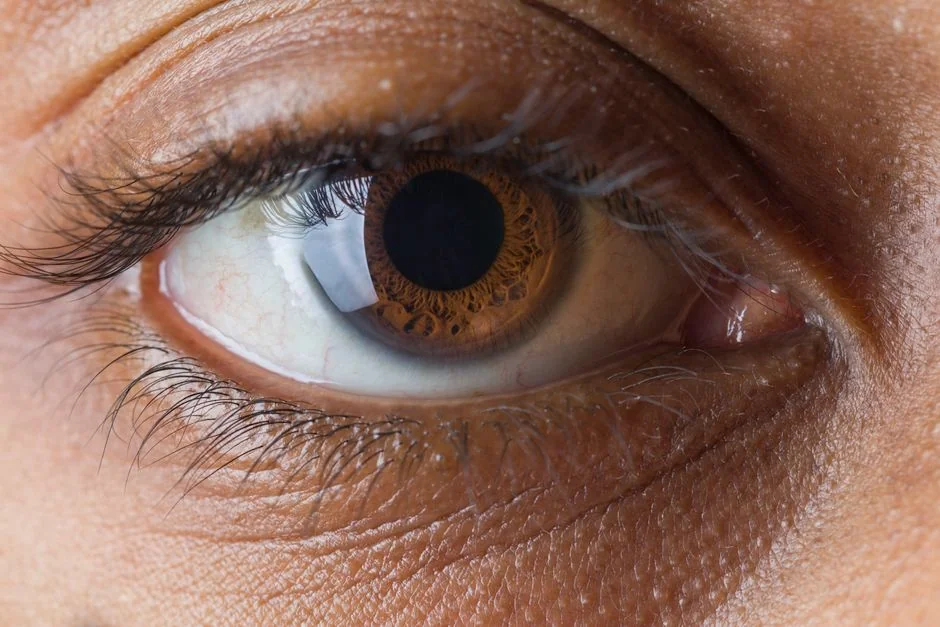
A pre-operative consultation should include a physical assessment of skin thickness, fat volume, epicanthal fold severity, and any pre-existing eyelid asymmetry or ptosis (drooping), since all of these affect which technique is realistic. Photographs and, often, a temporary “trial crease” using tape or a thin suture help the patient and surgeon agree on the intended height and shape before committing to either method.
Both procedures are typically performed under local anaesthesia as outpatient surgery, usually completed within 30 to 60 minutes depending on complexity. For the buried suture method, most swelling and bruising noticeably improve within three to five days, though residual puffiness can linger for a few weeks. For the incisional method, initial swelling is more pronounced and visible bruising can last one to two weeks, with the fine scar continuing to soften and fade over several months.
Aftercare for both techniques generally involves cold compresses in the first 48 hours, avoiding rubbing the eyes, sleeping with the head elevated, and attending follow-up visits to check healing and, for incisional surgery, timing of suture removal.
Who Is a Good Candidate?
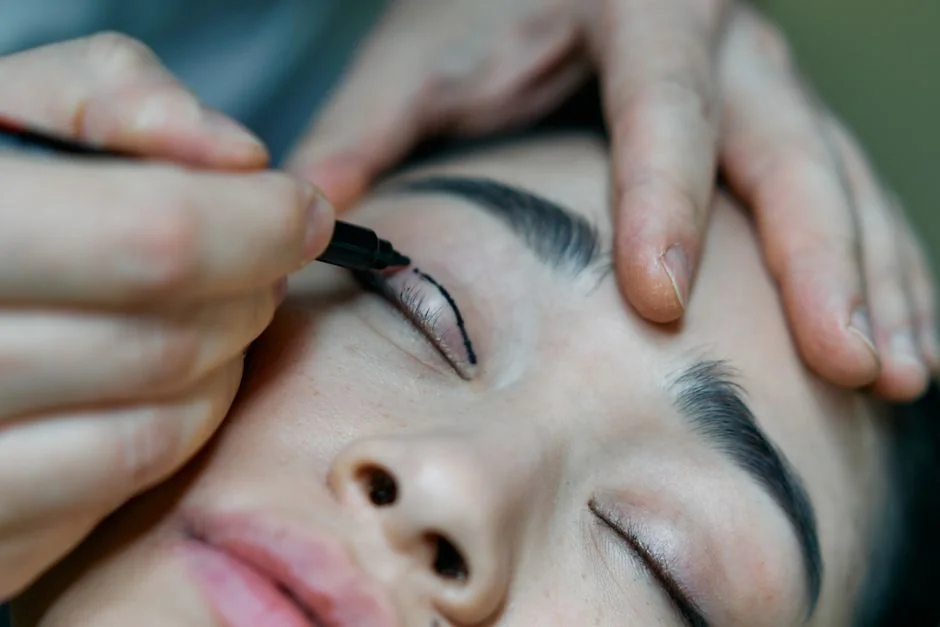
Candidacy is not simply a matter of preference — it depends on how much your eyelid anatomy is working with or against the technique you want.
| Factor | Buried Suture (Non-Incisional) | Incisional Method |
|---|---|---|
| Best suited for | Thin to moderate skin, minimal excess fat, patients wanting a subtle or reversible-leaning first step | Thicker skin, noticeable excess fat, a prominent epicanthal fold, or a desired deep, well-defined crease |
| Downtime | Roughly three to five days for most visible swelling to settle | One to two weeks for bruising and swelling to substantially resolve |
| Longevity | Can last for years, but the crease may soften or fade over time, particularly with thicker tissue | Generally considered more stable long-term, since the crease forms through direct tissue adhesion |
| Visible scarring | Minimal; small entry points only | A fine incision-line scar that typically fades but does not fully disappear |
| Adjustability | Sutures can sometimes be removed or redone, though not always cleanly | Considered a more permanent, one-time correction |
| Combines well with | Minor crease adjustments | Fat or skin removal, medial epicanthoplasty for a pronounced fold |
Patients who should be cautious with either method include those with active eye infections, uncontrolled bleeding disorders, significant pre-existing ptosis that needs separate correction, or unrealistic expectations about how much a crease alone can change overall eye shape.
A qualified surgeon should assess these factors individually rather than applying a one-size-fits-all recommendation.
Common Misconceptions About Buried Suture vs Incisional Surgery
Misconception 1: “The suture method is basically risk-free and fully reversible.”
In practice, once a buried suture crease has been in place for some time, simply removing the sutures does not reliably restore the original single eyelid. A case series examining patients who returned for treatment of suture-related complications after buried-suture surgery found that in about a quarter of cases where sutures were removed without any additional procedure, the double eyelid crease disappeared afterward anyway — and locating and fully removing the sutures was not always straightforward. This does not mean complications are common in first-time, uncomplicated procedures; it means “reversible” should not be treated as a guarantee.
Misconception 2: “Incisional surgery always leaves an obvious scar.”
The incision is deliberately placed along the natural crease line, and it is designed to be camouflaged by the fold itself once healed. Most incision-line scarring becomes faint within several months, though individual healing varies and a scar is never entirely eliminated.
Where to Get Double Eyelid Surgery in Tokyo
Within our clinic group, both BIOTOPE CLINIC (Shirokanedai, Minato-ku) and Kojimachi Dermatology & Plastic Surgery Clinic (Ichigaya, Chiyoda-ku) offer English-language consultation with Dr. Jun Karibe’s team.
Buried suture and incisional double eyelid surgery, along with related eyelid procedures such as transconjunctival blepharoplasty and ptosis correction, are handled at Kojimachi Dermatology & Plastic Surgery Clinic, the group’s main office for general and aesthetic plastic surgery. If your consultation also touches on cosmetic dermatology or injectable treatments, those are based at BIOTOPE CLINIC in Shirokanedai. Bookings and enquiries in English: LINE or WhatsApp.
Frequently Asked Questions
- Q. Can I switch from buried suture to incisional surgery later if the crease fades?
- Yes, this is a common path. Many patients start with the suture method and move to an incisional procedure later if they want a more permanent result or if the crease has become uneven over time.
- Q. Will double eyelid surgery get rid of my epicanthal fold?
- Not on its own. Crease surgery only shapes the eyelid fold itself; a separate procedure called medial epicanthoplasty is used if the inner-corner fold needs to be softened or reduced.
- Q. How do I know if my eyelid has too much fat for the suture method?
- This needs a physical examination rather than a self-assessment, since pretarsal and preseptal fat thickness can be difficult to judge by eye. A surgeon will typically test how the crease behaves with a temporary trial fold before recommending a technique.
- Q. Is one method more painful than the other?
- Both are performed under local anaesthesia and are generally well tolerated during the procedure. The incisional method tends to involve more discomfort and swelling in the days afterward simply because more tissue is manipulated.
Have a question about this treatment?
Message us on LINE or WhatsApp — our English-speaking team usually replies the same day.
Summary
For Chinese-American ,Asian eyelids, the choice between buried suture and incisional double eyelid surgery usually comes down to how much pretarsal fat and epicanthal fold tissue is present, not personal preference alone.
Thinner eyelids with minimal fat often do well with the suture method, while eyelids with more fullness or a prominent inner fold tend to hold a more stable result with the incisional approach, sometimes paired with epicanthoplasty. If you have questions about buried suture vs incisional double eyelid surgery, both BIOTOPE CLINIC (Shirokanedai, Minato-ku) and Kojimachi Dermatology & Plastic Surgery Clinic (Ichigaya, Chiyoda-ku) offer English-language consultation with Dr. Karibe and his team. Double eyelid surgery is primarily handled at Kojimachi Dermatology & Plastic Surgery Clinic. English enquiries: LINE or WhatsApp.
24/7 Consultation & Booking
Book a Consultation or Treatment
Our English-speaking team responds via LINE or WhatsApp — usually the same day.
References
- Mizuno T. Treatment of Suture-Related Complications of Buried-Suture Double-Eyelid Blepharoplasty in Asians. Plastic and Reconstructive Surgery Global Open. 2016.
- Mizuno T, Yamamoto A. Pretarsal Augmentation of the Lower Eyelids Using Fat Grafts in Asian Patients. Aesthetic Surgery Journal Open Forum. 2023.
- StatPearls Publishing. Upper Eyelid Blepharoplasty. StatPearls. 2023.
Related Articles
You may also find these articles useful.
- Double Eyelid Surgery Tokyo: English-Speaking Clinic Guide
- How Long Should You Stay in Tokyo for Double Eyelid Surgery? Downtime, Pain & Flying Guide
- Ptosis Correction Surgery Tokyo: Droopy Eyelid Treatment
- Under Eye Bags Surgery Tokyo: Transconjunctival Guide
- Scar Revision Surgery in Tokyo: Options and Cost Guide
SUPERVISED BY
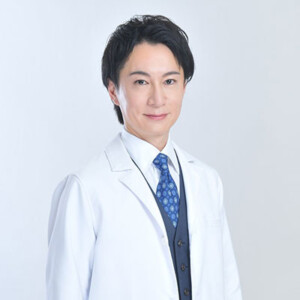
Dr. Jun Karibe
MD
Director
Education & Career
Certifications
Awards
MEDICAL REVIEW