What Is Double Eyelid Surgery (Asian Eye Surgery)?
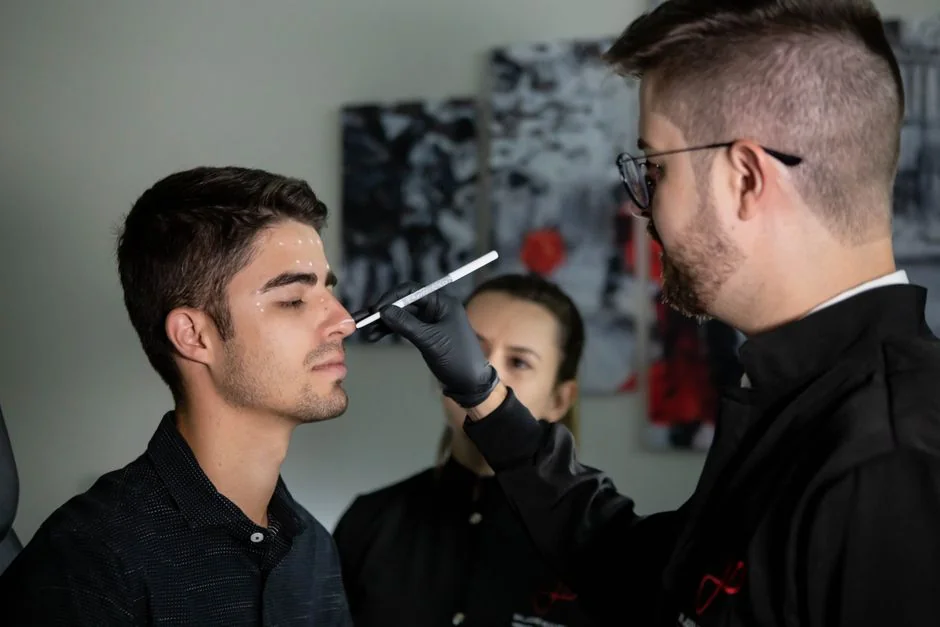
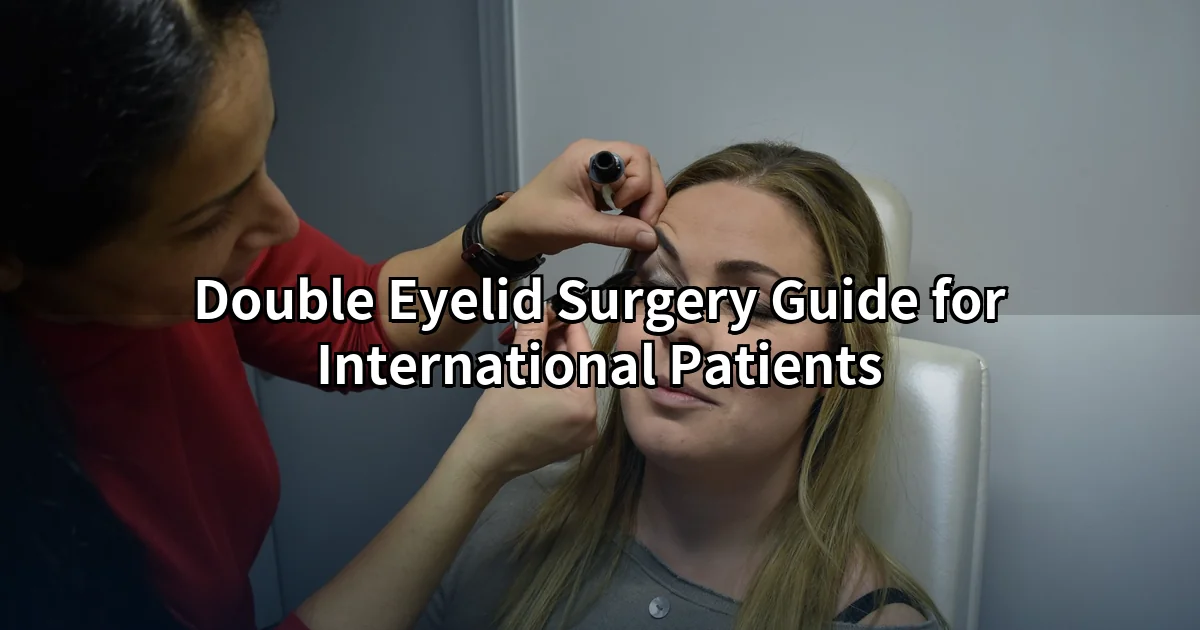
Double eyelid surgery, medically known as Asian blepharoplasty, creates a defined crease in the upper eyelid for people who do not have one naturally. Clinical literature indicates that the proportion of East Asians born with a natural upper eyelid crease varies widely by population, from roughly 41% in some Korean cohorts to 70-83% in Chinese and Japanese groups, with many of the remainder also having an epicanthal fold at the inner corner of the eye.1,2
The procedure is not a recent trend imported from the West. The first documented description of the technique dates to 1896, performed by a Japanese surgeon, which predates any significant Western cosmetic influence on East Asia.1
Today it remains one of the most commonly requested aesthetic procedures across East and Southeast Asia, and it is increasingly requested by Asian-American patients who want a natural-looking crease that suits their own eye shape rather than a generic template.
How Double Eyelid Surgery Works
Suture (Non-Incisional) Method
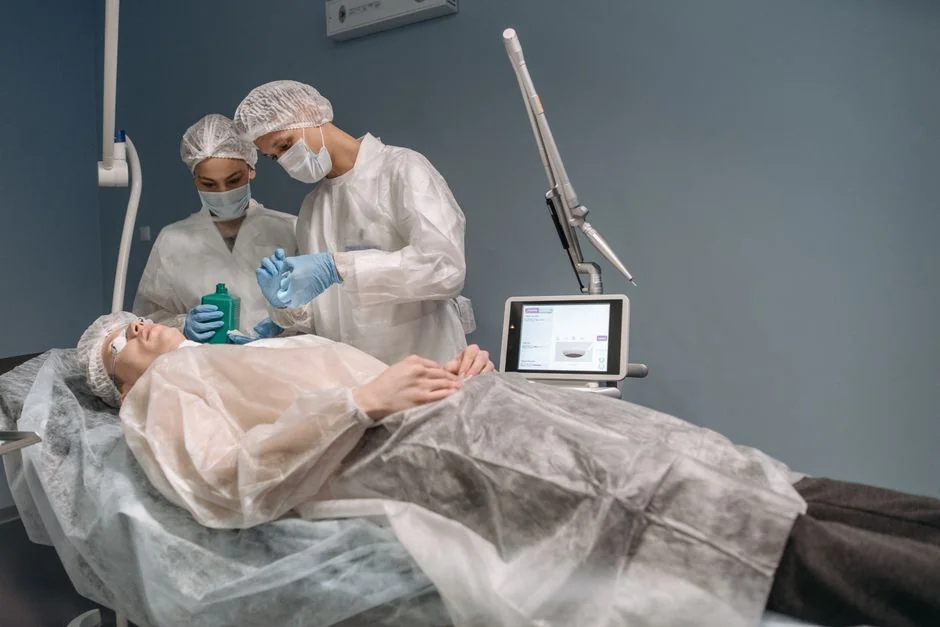
This approach uses fine sutures to anchor the skin to the underlying tissue without a long incision. It is faster to perform and carries a shorter initial recovery, which is why it is often chosen by patients with thinner eyelid skin and limited excess tissue. The trade-off is that the crease is created by scar tissue rather than tissue removal, so in some patients it can loosen or fade gradually over months to years.1
Incisional Method
This technique involves an incision along the planned crease line, through which excess skin, muscle, and sometimes fat are removed before the crease is fixed in place. It generally takes longer to heal but is considered more durable, and it allows the surgeon to address puffiness or an epicanthal fold at the same time if needed.1
At the consultation, the surgeon examines eyelid skin thickness, the presence and severity of any epicanthal fold, and whether there is any underlying ptosis (drooping of the eyelid from a weak muscle) before recommending a technique. This individualized assessment matters because, as one widely cited clinical review notes, mild ptosis can be masked preoperatively by excess skin and only becomes apparent once that skin is addressed.1
What to Expect: Before, During and After
Before Your Visit
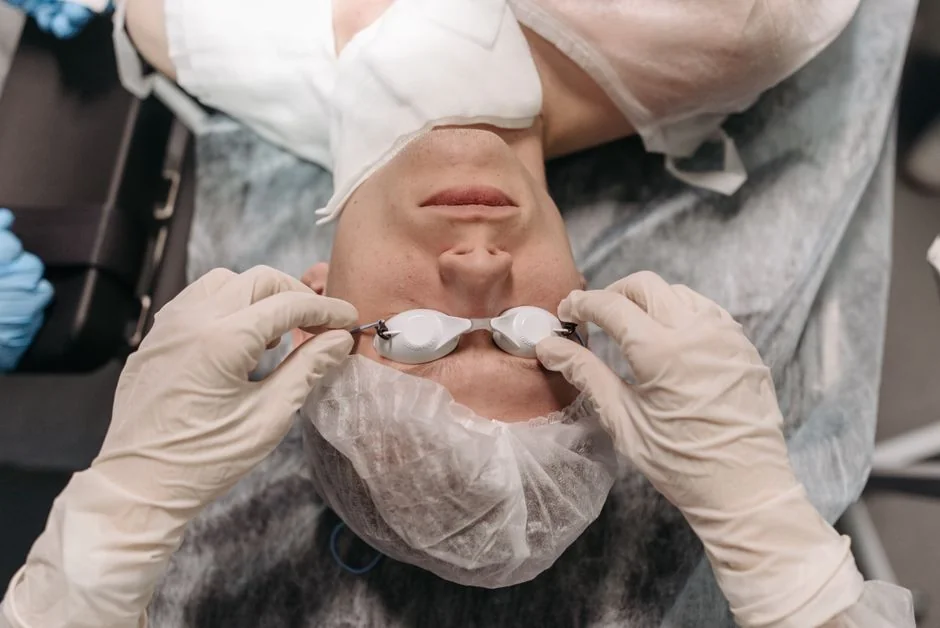
For English-language cosmetic consultations, patients typically book through LINE or WhatsApp. It is worth bringing reference photos of the eyelid shape you like, a list of any current medications or supplements, and, if you are combining the trip with other treatments, a general sense of your travel dates so the clinic can sequence pre-operative blood work and the procedure itself.
The Day of Surgery
Both techniques are typically performed under local anaesthesia, often with a light sedation option, and most patients go home the same day. Pre-operative blood work is standard practice before eyelid surgery in Japan.
Recovery Timeline
Swelling and bruising are usually most noticeable in the first 48 to 72 hours, with cold compresses recommended during this window and warm compresses introduced from around day three to help bruising resolve.1 For incisional surgery, sutures are generally removed five to seven days after the procedure. Most visible swelling and bruising has settled within roughly ten to fourteen days, though the eyelid crease can continue to refine over three to six months as residual swelling resolves.
For patients travelling from the United States, this timeline matters for trip planning: many Asian-American patients build in at least one to two weeks in Tokyo (or plan travel-friendly clothing and sunglasses for the flight home) so that the most visible swelling has settled before returning to work or school.
Cost of Double Eyelid Surgery in Tokyo
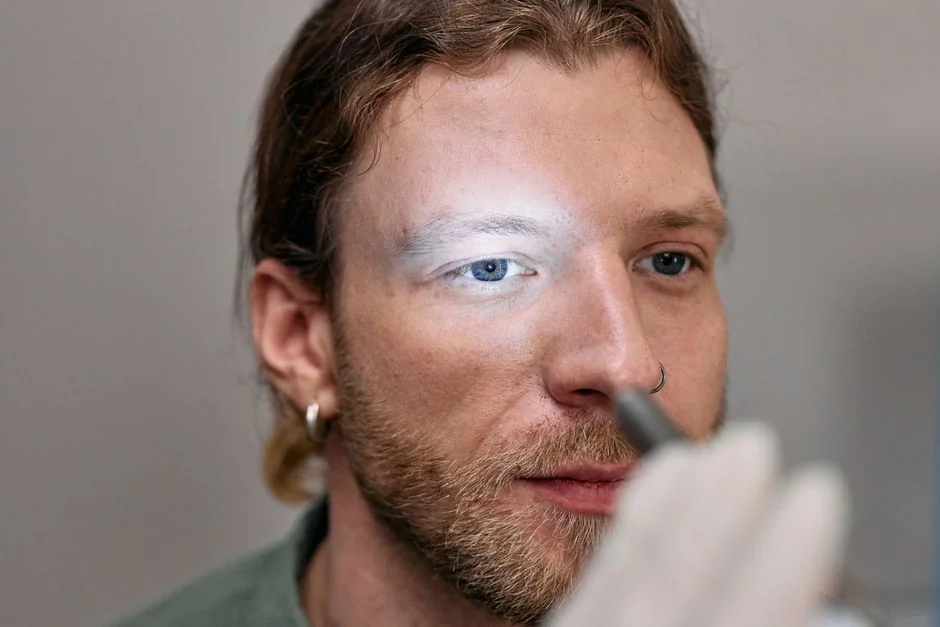
As of the clinic’s current published pricing, the suture (non-incisional) method starts from ¥66,000 for a basic two-point technique. Anaesthesia is billed separately at approximately ¥2,200 to ¥77,000 depending on the type used, and pre-operative blood work is around ¥11,000.
An initial cosmetic consultation is ¥3,300, and a surgical consultation directly with Dr. Karibe is ¥2,200. Incisional surgery, epicanthoplasty, and ptosis correction are priced individually based on the technique and extent of correction required.
These are self-pay procedures and are not covered by insurance, including travel insurance in most cases. For an accurate quote, please book a consultation.
Have a question about this treatment?
Message us on LINE or WhatsApp — our English-speaking team usually replies the same day.
Where to Get Asian Eye Surgery in Tokyo
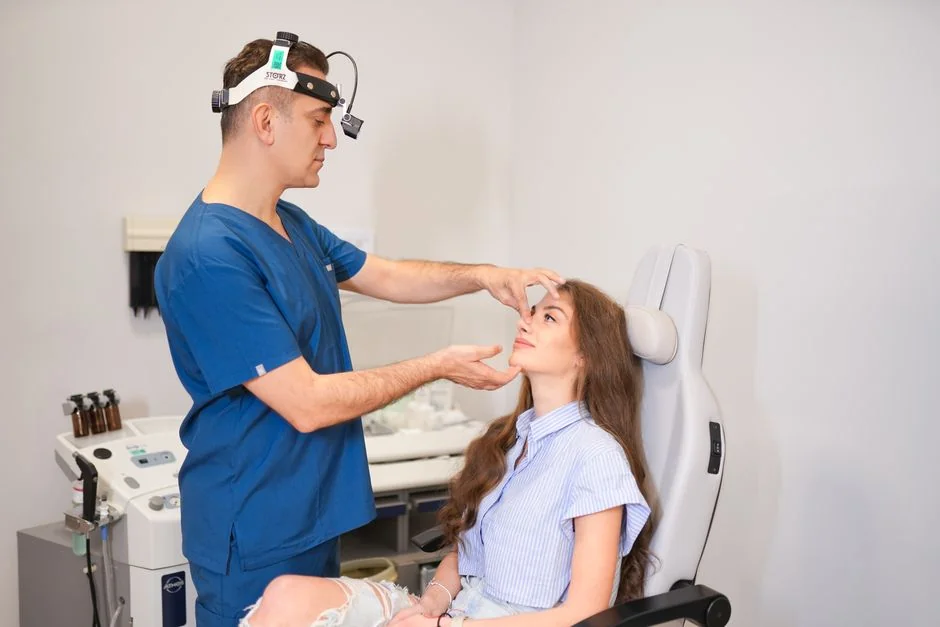
Within our clinic group, both BIOTOPE CLINIC (Shirokanedai, Minato-ku) and Kojimachi Dermatology & Plastic Surgery Clinic (Ichigaya, Chiyoda-ku) offer English-language consultation with Dr. Jun Karibe’s team. Double eyelid surgery, epicanthoplasty, and other cosmetic eyelid procedures are handled at BIOTOPE CLINIC in Shirokanedai, which focuses on cosmetic dermatology and cosmetic/plastic surgery. Kojimachi is the group’s main office and focuses on insurance-covered general dermatology alongside general and aesthetic plastic surgery. Bookings and enquiries in English: LINE or WhatsApp.
Considerations for Chinese-American and Other Asian-American Patients
For many Asian-American patients, the decision involves more than anatomy.
A 2025 mixed-methods study of Asian-American women who had undergone upper blepharoplasty or double eyelid surgery, in which Korean and Chinese participants made up the largest groups, found that the great majority viewed the procedure as culturally normalized within their own communities, with personal motivations such as symmetry, confidence, and ease of applying makeup cited more often than any desire to look “less Asian.” Most participants also reported strong family or peer support, alongside consistently high satisfaction scores.4
At the same time, some patients and commentators have raised concerns that the procedure risks conforming to a Western beauty standard, particularly when it is marketed or performed without regard for a person’s existing eye shape.3 In Dr. Karibe’s clinical experience at BIOTOPE CLINIC, the goal discussed with patients is a crease that suits their individual eyelid anatomy and facial proportions, not a fixed “ideal” shape copied from someone else’s photo. Bringing reference photos to the consultation is useful, but the surgeon will explain which outcomes are realistic for your specific eyelid structure.
Practically, travelling from the US or elsewhere also means confirming your passport validity, any visa requirements for your length of stay, and travel insurance terms, since cosmetic surgery performed electively is typically excluded from standard travel medical coverage.
Who Is a Good Candidate?
Good candidates are generally healthy adults who do not have a natural eyelid crease, or have an asymmetric or unstable one, and who understand the difference between the suture and incisional approaches. At BIOTOPE CLINIC in Shirokanedai, we frequently see patients who also want to address puffiness under the eyes at the same time; transconjunctival blepharoplasty (an under-eye revision performed from inside the lower lid, leaving no visible scar) is a treatment available at BIOTOPE CLINIC for this concern, and it can be discussed alongside upper eyelid surgery during a consultation with Dr. Karibe.
Patients with significant ptosis affecting vision, active eye infections, uncontrolled bleeding disorders, or unrealistic expectations about achieving a specific celebrity’s eye shape are generally not good candidates until those issues are addressed. If ptosis is suspected, ptosis correction, which tightens the muscle that lifts the eyelid, may be recommended instead of or alongside double eyelid surgery — this is also a procedure available at BIOTOPE CLINIC and worth raising during your consultation.
Common Misconceptions About Asian Eye Surgery
Misconception: The surgery is about making Asian eyes look “Western.”
The procedure’s documented history predates significant Western cultural contact with Japan, and current research on Asian-American patients specifically found that most who undergo it describe their motivation in terms of symmetry, confidence, and personal preference rather than a desire to look less Asian, with the procedure widely viewed as culturally normalized within Korean and Chinese communities.1,4 A well-planned result is designed around the patient’s own eyelid anatomy, not a single template shape.
Misconception: The non-incisional (suture) method gives the same permanence as incisional surgery.
Because the suture method relies on scar tissue rather than tissue removal, clinical literature describes gradual loosening or disappearance of the crease in some patients over time, while the incisional method is generally considered more durable.1 The right choice depends on eyelid thickness and how much correction is needed, which is why an in-person assessment matters more than picking a technique based on price alone.
Frequently Asked Questions
- Q. Can I combine double eyelid surgery with epicanthal fold correction?
- Yes, many patients with a pronounced epicanthal fold choose to combine epicanthoplasty with double eyelid surgery in the same session, since the fold can otherwise limit how the new crease looks. This is assessed individually during your consultation.
- Q. How many days should I plan to stay in Tokyo after surgery?
- There is no fixed requirement, but since visible swelling and bruising are most pronounced in the first ten to fourteen days, many patients travelling internationally prefer to stay at least one to two weeks, or plan a low-key flight home with sunglasses and time to rest on arrival.
- Q. Will the results look natural on Asian eyelids, or will it change my appearance dramatically?
- A well-planned crease is sized and shaped to match your existing eyelid anatomy, eyebrow position, and facial proportions rather than following a fixed template. Bringing reference photos to your consultation helps the surgeon understand your goals, but expect the final recommendation to be tailored to what is achievable and natural for your own eyes.
Have a question about this treatment?
Message us on LINE or WhatsApp — our English-speaking team usually replies the same day.
Summary
Double eyelid surgery is a well-established, self-pay cosmetic procedure with two main techniques, a recovery window of roughly ten to fourteen days for visible healing, and a long track record among East Asian and Asian-American patients who describe it in terms of personal preference rather than cultural erasure.
Planning ahead for consultation timing, recovery days, and travel logistics makes the process considerably smoother for patients flying in from the US.
If you have questions about double eyelid surgery, both BIOTOPE CLINIC (Shirokanedai, Minato-ku) and Kojimachi Dermatology & Plastic Surgery Clinic (Ichigaya, Chiyoda-ku) offer English-language consultation with Dr. Karibe and his team. Double eyelid surgery and related cosmetic eyelid procedures are primarily handled at BIOTOPE CLINIC. English enquiries: LINE or WhatsApp.
24/7 Consultation & Booking
Book a Consultation or Treatment
Our English-speaking team responds via LINE or WhatsApp — usually the same day.
References
- Weng CJ. Oriental Upper Blepharoplasty. Seminars in Plastic Surgery. 2009;23(1):5-15.
- Lu TY, Kadir K, Ngeow WC, Othman SA. The Prevalence of Double Eyelid and the 3D Measurement of Orbital Soft Tissue in Malays and Chinese. Scientific Reports. 2017;7:14834.
- Motaparthi K. Blepharoplasty in Asian Patients: Ethnic and Ethical Implications. AMA Journal of Ethics (Virtual Mentor). 2010;12(12):946-949.
- Nguyen AT, Li RA, Duckworth ED, Li MX, Chon J, Galiano RD. An analysis of patient-reported outcomes in Asian blepharoplasty. Journal of Plastic, Reconstructive & Aesthetic Surgery. 2025.
Related Articles
You may also find these articles useful.
- Double Eyelid Surgery Tokyo: English-Speaking Clinic Guide
- How Long Should You Stay in Tokyo for Double Eyelid Surgery? Downtime, Pain & Flying Guide
- Ptosis Correction Surgery Tokyo: Droopy Eyelid Treatment
- Under Eye Bags Surgery Tokyo: Transconjunctival Guide
- How to Access Medical Care in Japan as a Foreign Visitor: A Practical Guide
SUPERVISED BY

Dr. Jun Karibe
MD
Director
Education & Career
Certifications
Awards
MEDICAL REVIEW