Ptosis Correction Surgery in Tokyo: A Complete Guide to Droopy Eyelid Treatment

A droopy upper eyelid — known medically as blepharoptosis, or simply ptosis — can affect far more than your appearance. When the eyelid sits too low, it can narrow your field of vision, force you to lift your eyebrows constantly to see clearly, and contribute to chronic headaches, neck tension, and eye fatigue.
If you are an expatriate or visitor in Tokyo seeking accurate information about ptosis correction surgery, this guide explains what the condition is, which surgical techniques are used, what recovery looks like, and how Japan’s insurance system applies to treatment.
What you’ll learn in this article:
- The main types and causes of ptosis
- How ptosis correction surgery works, and which technique suits which patient
- What recovery looks like week by week
- Whether Japanese health insurance covers ptosis surgery — and what it costs
- Who is a good candidate, and common misconceptions to be aware of
Have a question about this treatment?
Message us on LINE or WhatsApp — our English-speaking team usually replies the same day.
What Is Ptosis? Understanding a Droopy Upper Eyelid
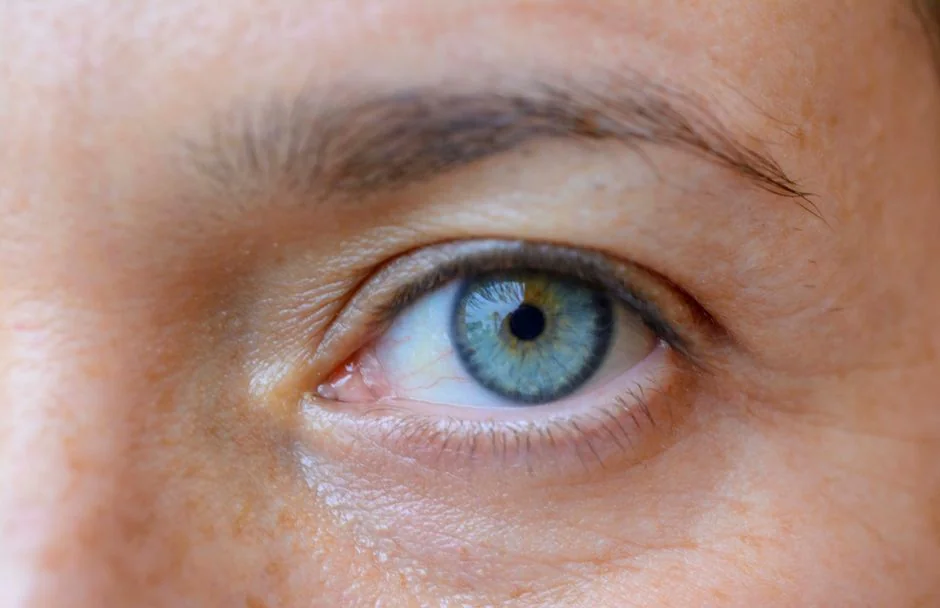
Ptosis is the medical term for an upper eyelid that sits lower than its normal position, partially covering the pupil. Surgeons assess this using the margin reflex distance (MRD1) — the measurement from the centre of the pupil to the upper eyelid margin. A normal MRD1 is approximately 4–5 mm; a value at or below 3.5 mm is considered clinically significant and, in Japan, is a key threshold for national health insurance eligibility.
Ptosis is classified by its underlying cause. The most common form in adults is aponeurotic ptosis, in which the levator aponeurosis — the fibrous tendon connecting the eyelid-lifting muscle to the eyelid — stretches, thins, or partially detaches with age.
Other forms include congenital ptosis (present from birth), neurogenic ptosis (caused by nerve damage, such as Horner’s syndrome or a third cranial nerve palsy), myogenic ptosis (associated with muscle disease), mechanical ptosis (from eyelid heaviness due to a growth or excess tissue), and traumatic ptosis.
Even mild ptosis can force subconscious compensatory habits — constant brow-raising, chin-tilting, or squinting — that accumulate into muscle fatigue and discomfort over time.
What Causes a Droopy Eyelid in Adults?
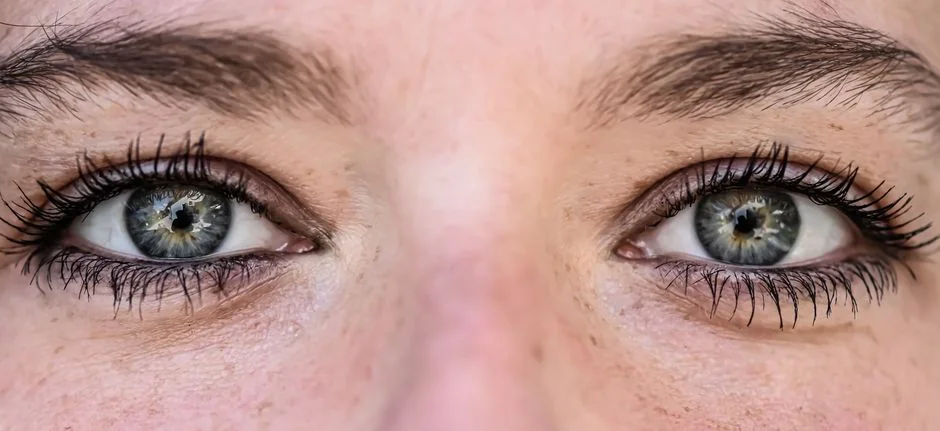
In the vast majority of adult patients, age-related involutional changes are the primary driver. The levator aponeurosis gradually stretches and may detach from the tarsal plate over decades, reducing its ability to hold the eyelid at full height. Long-term contact lens wear — both hard and soft lenses — is a well-documented contributing factor, as the repeated mechanical stress of insertion and removal can accelerate aponeurosis laxity. Post-surgical changes following cataract surgery or other intraocular procedures can also precipitate ptosis.
In Dr. Karibe’s clinical experience, patients presenting for eyelid evaluation at BIOTOPE CLINIC in Shirokanedai frequently describe years of assuming their tired, heavy-lidded appearance was simply a natural part of ageing — unaware that the underlying cause was a correctable structural change rather than an inevitable cosmetic fact.
For children and younger patients, congenital ptosis caused by incomplete levator muscle development is the leading cause. In these cases, a full neuro-ophthalmic evaluation is essential to rule out amblyopia (lazy eye) before surgical planning begins.
How Ptosis Correction Surgery Works
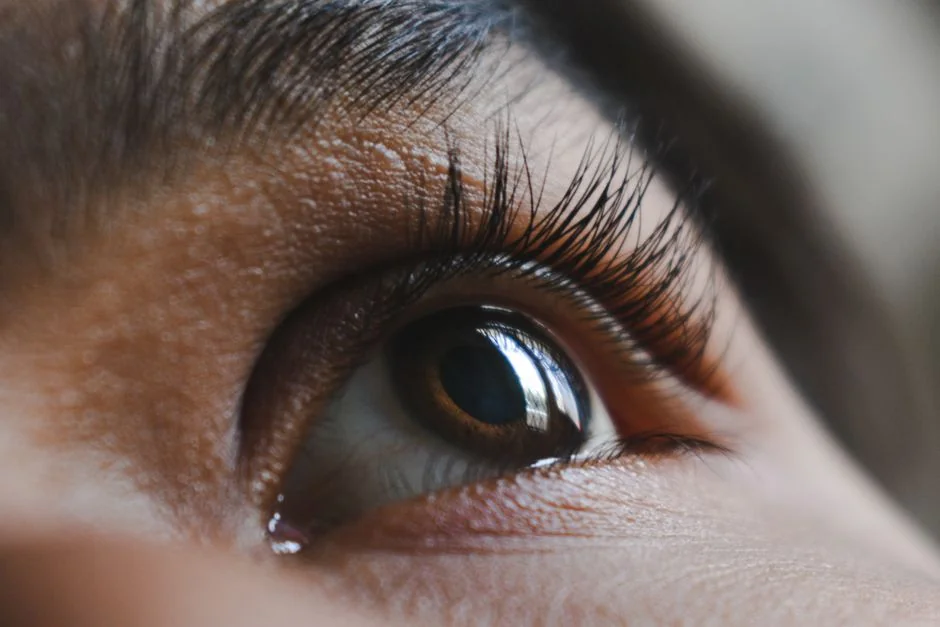
Surgical technique is selected based primarily on the degree of remaining levator function — measured in millimetres of eyelid travel from extreme downgaze to extreme upgaze — as well as the underlying cause and the patient’s overall health.
Levator Aponeurosis Advancement
For adults with good levator function (generally more than 8 mm of movement), levator aponeurosis advancement is the preferred approach. The surgeon makes a small incision along the natural eyelid crease, identifies the stretched or detached aponeurosis, and reattaches it securely to the tarsal plate. Because the levator muscle itself is preserved, recurrence after successful repair is uncommon. This technique is the procedure covered by Japan’s national health insurance when functional criteria are met, and is commonly referred to in Japanese clinical settings as 腱膜前転法 (kenman zentenhō).
Müller’s Muscle–Conjunctival Resection (MMCR)
For carefully selected patients with mild to moderate ptosis who show a positive response to the phenylephrine drop test, a posterior (conjunctival-side) approach targeting Müller’s smooth muscle is an effective option with no external incision. A prospective clinical study published in Scientific Reports (2023), evaluating 258 ptotic eyes across 159 patients, reported an overall surgical success rate of 90.3% — with mild ptosis achieving 96.6% success and moderate ptosis 91.7%.
Levator Resection
When levator function is moderate (approximately 5–7 mm), the surgeon may shorten the levator muscle itself to increase its pull on the eyelid. This approach is often combined with removal of excess upper eyelid skin (blepharoplasty) when both concerns are present. Double eyelid creation (using the suture method) can also be performed at the same time when a more defined eyelid crease is desired — a treatment available within the clinic group; ask about it during a consultation.
Frontalis Sling
When levator function is very poor or absent (typically 4 mm or less), particularly in severe congenital ptosis, the eyelid is suspended from the frontalis muscle in the forehead using autologous fascia lata or a biocompatible synthetic material. This bypasses the dysfunctional levator entirely, using brow elevation to open the eye.
| Technique | Levator Function | Typical Candidates | Approach |
|---|---|---|---|
| Aponeurosis Advancement | Good (>8 mm) | Adult / involutional ptosis; insurance-eligible functional cases | External (eyelid crease incision) |
| Müller’s Muscle Resection (MMCR) | Good (>8 mm), phenylephrine-positive | Mild–moderate ptosis; preferred no external scar | Internal (conjunctival, no skin incision) |
| Levator Resection | Moderate (5–7 mm) | Moderate congenital or acquired ptosis | External or internal |
| Frontalis Sling | Poor (<4 mm) | Severe congenital ptosis; absent levator function | External (brow-to-lid suspension) |
What to Expect: Before, During, and After Surgery
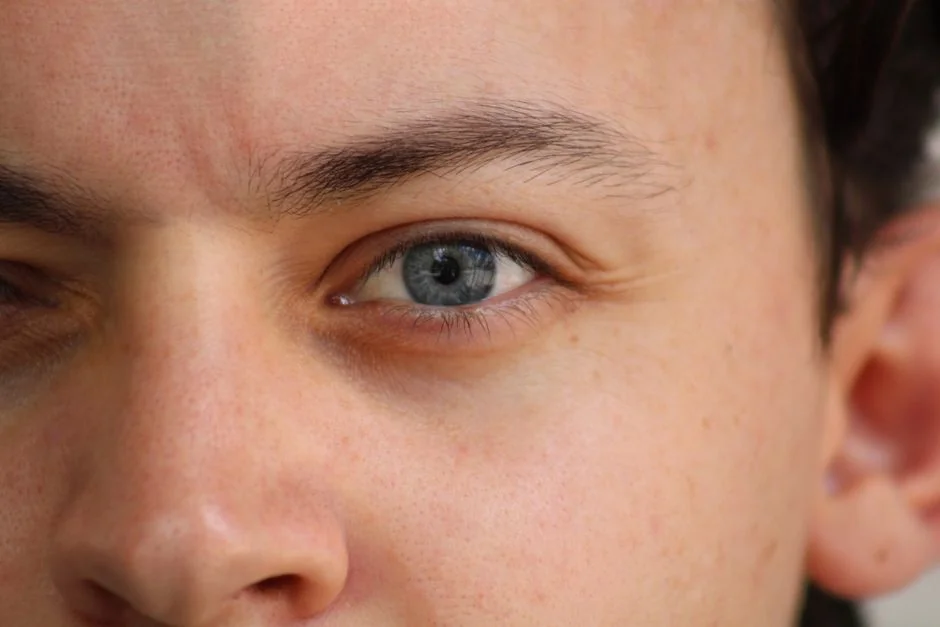
Pre-operative Assessment
A thorough consultation will measure MRD1, levator function, eyelid crease symmetry, and Bell’s phenomenon — the eye’s upward rolling reflex on closure, which is a key safety consideration. Any suspicion of a neurological or systemic cause of ptosis will prompt appropriate referral before surgery is scheduled.
The Procedure
Most ptosis corrections are performed under local anaesthesia on an outpatient basis. A typical case takes 30–90 minutes. One significant advantage of operating under local anaesthesia is that the surgeon can ask the patient to open their eyes during the procedure to assess eyelid height and symmetry in real time, allowing precise adjustment before closing the incision.
Recovery Timeline
Swelling and bruising are normal and typically peak within the first 48 hours before gradually improving. Sutures are generally removed 5 to 10 days after surgery. Most patients in desk-based roles feel comfortable returning to work within 7 to 14 days. Light physical activity can usually resume after two weeks; strenuous exercise should be avoided for four to six weeks.
Eyelid height continues to evolve post-operatively as swelling resolves and tissue settles. Functional improvement is usually evident within the first two weeks. The final aesthetic result — with tissues fully healed and scar matured to blend into the natural crease — is typically visible at three to six months.
Insurance Coverage and Costs in Tokyo
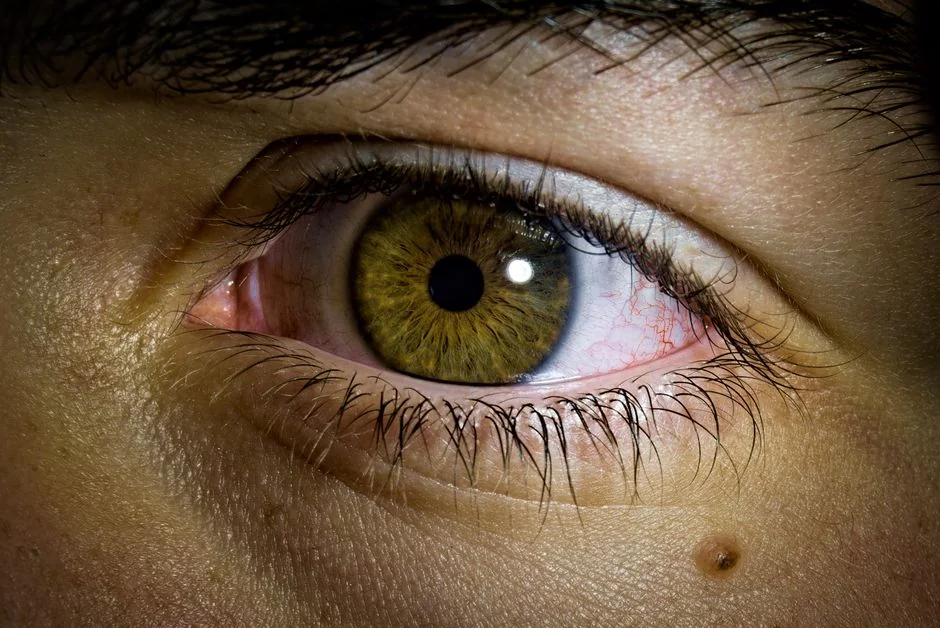
When Japanese Health Insurance Applies
Ptosis surgery is covered by Japan’s national health insurance when the condition meets functional criteria: the drooping eyelid must demonstrably impair the visual field (for example, when MRD1 is at or below 3.5 mm), and the goal of surgery must be functional recovery, not cosmetic enhancement. Concurrent symptoms — chronic compensatory brow-raising, eye strain, tension headaches, or shoulder stiffness caused by the ptosis — support eligibility.
The surgically approved technique under insurance is levator aponeurosis advancement (腱膜前転法). For patients subject to Japan’s standard 30% co-payment, the out-of-pocket cost for bilateral surgery under the insurance pathway is generally in the range of approximately 60,000 yen, though the exact figure varies slightly by facility and the procedural codes applied. Patients with lower co-payment rates — common among those on dependent or low-income coverage — will pay correspondingly less.
One practical note: under the insurance pathway, patients cannot select a specific surgeon. Surgeon selection is available only on the self-pay route.
Self-Pay (Cosmetic) Surgery
Patients who do not meet insurance criteria, or who wish to combine ptosis correction with cosmetic refinements such as eyelid crease creation, may choose the self-pay route. Costs vary based on surgical technique, case complexity, and the experience of the operating surgeon. Please see the clinic’s official price page or contact us for a current quote. For an accurate, individualised estimate, a consultation is the appropriate starting point.
Have a question about this treatment?
Message us on LINE or WhatsApp — our English-speaking team usually replies the same day.
Who Is a Good Candidate for Ptosis Correction Surgery?
Ideal candidates are adults — or children assessed by a specialist for congenital cases — with a measurable and stable degree of eyelid drooping that is affecting their vision, day-to-day comfort, or quality of life. Good general health, no active eye infection, and realistic expectations about the healing process are essential. Patients with conditions such as myasthenia gravis or thyroid eye disease require coordination with a relevant specialist before any elective eyelid surgery is scheduled.
Clinical research supports consistently favourable outcomes across a broad patient population. A prospective study published in Eye (London, 2021) — the first of its kind to examine psychosocial wellbeing in ptosis patients using validated measures — found that 85% of patients reported a positive change in general wellbeing following successful surgery. Anxiety scores fell significantly from a mean of 7.6 before surgery to 4.9 afterwards (p<0.001), and the proportion of patients with minimal appearance-related anxiety rose from 41% pre-operatively to 78% post-operatively.
What People Often Get Wrong About Ptosis Treatment
Misconception 1: Eyelid tape is a safe long-term fix for ptosis
Cosmetic eyelid tape is widely available in Japan and East Asia, and many patients try it before seeking medical advice. For genuine blepharoptosis, however, tape addresses the appearance temporarily without correcting the underlying structural problem. Published oculoplastic literature notes that repeated mechanical traction from taping can worsen levator aponeurosis laxity over time, and that incomplete eyelid closure poses a risk to the corneal surface. Tape may be appropriate as a very short-term measure or during recovery from neurological conditions where ptosis is expected to resolve, but it is not a substitute for surgical correction in established ptosis.
Misconception 2: Ptosis surgery is always a cosmetic, self-pay procedure in Japan
Many patients — including some long-term residents of Japan — are surprised to discover that functional ptosis is covered by the national health insurance system. The confusion arises because ptosis surgery is also performed for purely cosmetic reasons in private aesthetic clinics. A formal evaluation at a qualified plastic surgery or ophthalmology practice can establish whether the condition meets functional criteria, potentially making definitive correction significantly more affordable under the insurance pathway.
Where to Get Ptosis Surgery in Tokyo
Within our clinic group, both BIOTOPE CLINIC (Shirokanedai, Minato-ku) and Kojimachi Dermatology & Plastic Surgery Clinic (Ichigaya, Chiyoda-ku) offer English-language consultation with Dr. Jun Karibe’s team. Ptosis correction surgery — whether under Japan’s national health insurance or as a self-pay procedure — is handled at Kojimachi Dermatology & Plastic Surgery Clinic, the group’s main office for general and aesthetic plastic surgery. Bookings and enquiries in English are available via LINE or WhatsApp.
Dr. Karibe is a board-certified plastic surgeon certified by the Japan Society of Plastic and Reconstructive Surgery, and personally consults at BIOTOPE CLINIC in Shirokanedai, where the group’s cosmetic dermatology and non-surgical aesthetic services are based. Both clinic locations are accessible by Tokyo Metro and are prepared to conduct consultations and correspondence in English.
Frequently Asked Questions
- Q. Can ptosis come back after surgery?
- For the most common adult presentation — aponeurotic ptosis corrected by levator aponeurosis advancement — recurrence after a technically successful repair is uncommon. Conditions involving progressive muscle disease carry a higher risk of gradual re-ptosis over time. Your surgeon will discuss the recurrence risk specific to your cause and technique at consultation.
- Q. Will there be a visible scar after ptosis correction?
- For the external approach, the incision is placed within the natural upper eyelid crease, where it becomes virtually imperceptible once fully healed. Scar redness typically fades over three to six months. The internal (conjunctival) approach, used in MMCR, leaves no external scar at all.
- Q. What is the difference between ptosis correction and double eyelid surgery?
- Double eyelid surgery (suture or incision method) creates or refines an upper eyelid crease, primarily for aesthetic reasons. Ptosis correction specifically repairs the mechanical failure of the eyelid-lifting mechanism. The two procedures can be performed together when both concerns coexist, but they serve distinct purposes: not all patients with ptosis want or need double eyelid creation, and not all double eyelid patients have ptosis.
- Q. Is surgery performed on one eye or both at the same time?
- Both eyes can be treated in a single session when ptosis is bilateral. For unilateral ptosis, treating one eye can occasionally unmask a previously compensated ptosis on the opposite side — a phenomenon your surgeon will discuss and account for in pre-operative planning.
- Q. How long before I see the final result?
- Functional improvement — the eye opening more fully — is typically visible within the first week to two weeks. The final aesthetic result, once swelling has fully resolved and scar tissue has matured, is generally apparent by three to six months after surgery.
Have a question about this treatment?
Message us on LINE or WhatsApp — our English-speaking team usually replies the same day.
Summary
Ptosis correction surgery is a well-established, evidence-based procedure with high rates of functional success and meaningful benefits to patient wellbeing. Whether your drooping eyelid is narrowing your vision, causing daily fatigue and discomfort, or both, surgical correction by a qualified plastic surgeon can produce durable, natural-looking results. In Japan, ptosis that meets functional criteria is covered by the national health insurance system — making definitive treatment more accessible than many patients realise.
If you have questions about ptosis correction surgery, both BIOTOPE CLINIC (Shirokanedai, Minato-ku) and Kojimachi Dermatology & Plastic Surgery Clinic (Ichigaya, Chiyoda-ku) offer English-language consultation with Dr. Karibe and his team. Ptosis correction is primarily handled at Kojimachi Dermatology & Plastic Surgery Clinic. English enquiries: LINE or WhatsApp.
24/7 Consultation & Booking
Book a Consultation or Treatment
Our English-speaking team responds via LINE or WhatsApp — usually the same day.
References
- Comparison of clinical outcomes of conjunctivo-mullerectomy for varying degrees of ptosis. Scientific Reports. 2023;13:19131. Department of Ophthalmology, Faculty of Medicine Siriraj Hospital, Mahidol University.
- Richards HS, Jenkinson E, White P, Harrad RA. Patient reported psychosocial functioning following successful ptosis surgery. Eye (London). 2021;36(8):1651–1655.
- A review of surgical management of progressive myogenic ptosis. PubMed Central (PMC10329817). 2023. National Institutes of Health.
- Acquired ptosis: evaluation and management. EyeNet. American Academy of Ophthalmology. aao.org (institutional reference).
- Insurance coverage criteria for ptosis surgery in Japan (眼瞼下垂の手術は保険適用になる?適用基準を専門医が解説). oc-tokyo.com. Japanese-language patient education article, accessed October 2026.
Related Articles
You may also find these articles useful.
- BIOTOPE Tokyo Asian Eye Surgery: First Visit Guide
- Double Eyelid Surgery Tokyo: English-Speaking Clinic Guide
- Asymmetric Double Eyelid Correction in Tokyo | BIOTOPE
- Double Eyelid Revision Surgery Tokyo: Fixing Surgery Abroad
- Under Eye Bags Surgery Tokyo: Transconjunctival Guide
SUPERVISED BY

Dr. Jun Karibe
MD
Director
Education & Career
Certifications
Awards
MEDICAL REVIEW