What Is Scar Revision Surgery?
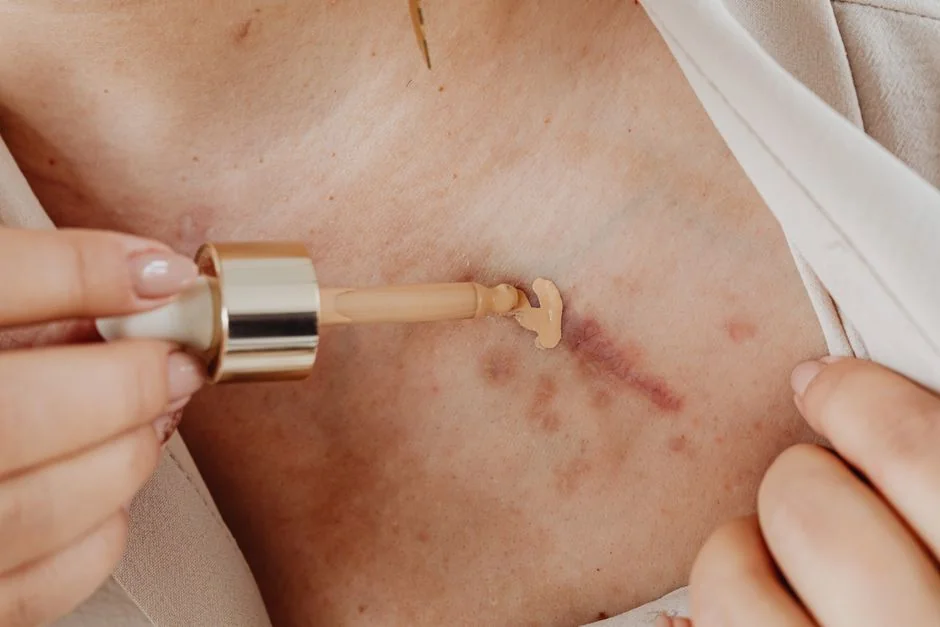
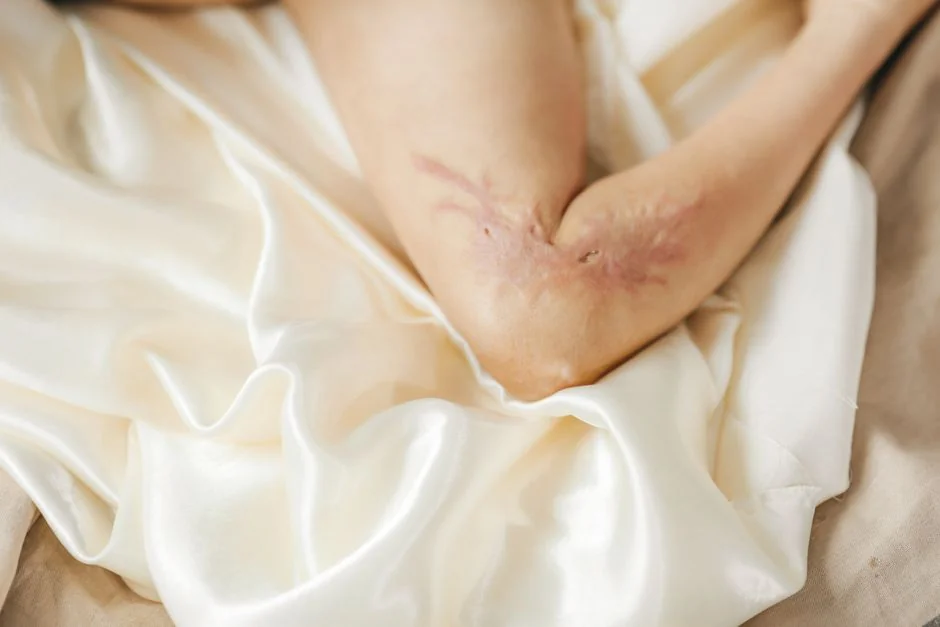
Scar revision surgery is an umbrella term for procedures designed to improve the appearance, texture, or function of a scar. The aim is not to erase a scar entirely — every wound leaves some permanent biological trace — but to make it significantly less conspicuous, improve its surface texture, redirect it along natural skin tension lines, or release a contracture that restricts movement.
A thorough initial assessment covers scar type (atrophic, hypertrophic, keloid, or contracture), scar maturity, the patient’s Fitzpatrick skin tone, and the history of the original wound. This assessment carries particular importance in Japan: the Japan Scar Workshop has documented that people of Asian ancestry carry a higher genetic predisposition to hypertrophic scarring and keloid formation compared with individuals of European descent — a factor that directly shapes treatment planning.
Scar Revision Options in Tokyo
Surgical Techniques
Simple excision and re-closure removes the original scar tissue and closes the wound precisely using fine suture technique. It is well-suited to wide, stretched, depressed, or irregular scars. A 2026 retrospective study published in the Journal of Cutaneous and Aesthetic Surgery followed 53 patients after scar revision; patient-reported pain scores (VAS) improved from a pre-operative mean of 8.58 to 0.80 post-operatively (p < 0.001), with 77.4% of patients achieving “excellent” results and no post-operative complications recorded.
Z-plasty and W-plasty are geometric rearrangement techniques that redirect a scar to follow the skin’s relaxed tension lines, where healing produces less visible results. Z-plasty is favoured for contracted scars or those that cross a skin fold; W-plasty suits longer facial scars where a straight line would remain conspicuous. Both techniques lengthen the effective scar slightly while reducing the visual tension on it.
Geometric broken line closure (GBLC) extends this principle further by breaking up the scar’s straight edge into an irregular pattern that blends more naturally with the surrounding skin texture — a refinement commonly used on visible facial areas.
Device-Based and Non-Surgical Approaches
CO2 fractional laser resurfaces scar tissue layer by layer, triggering collagen remodelling and skin renewal. Clinical evidence indicates CO2 laser resurfacing can improve scar appearance by 50 to 80%, making it a frequently chosen option for atrophic post-surgical and traumatic scars. CO2 fractional laser treatment is available at BIOTOPE CLINIC in Shirokanedai — this is worth discussing with Dr. Karibe’s team to establish whether it serves best as a standalone treatment or as a complement to surgery.
RF microneedling (Morpheus8) delivers radiofrequency energy through fine needles to remodel collagen in the deeper dermis — particularly effective for indented (atrophic) scars and surface irregularities. This treatment is also available at BIOTOPE CLINIC in Shirokanedai.
Steroid injections remain the established first-line treatment for hypertrophic scars and smaller keloids, softening and flattening raised tissue over a series of sessions spaced four to six weeks apart.
| Technique | Best for | Typical downtime | Scar types |
|---|---|---|---|
| Simple excision & re-closure | Wide, stretched, or irregular scars | 7–14 days (sutures) | Atrophic, wide surgical scars |
| Z-plasty / W-plasty / GBLC | Contracted scars, scars crossing skin folds | 7–14 days | Contracture, facial linear scars |
| CO2 fractional laser | Textural irregularity, acne/post-surgical scars | 5–10 days (redness) | Atrophic, post-surgical |
| RF microneedling (Morpheus8) | Indented scars, surface texture | 2–5 days | Atrophic |
| Steroid injections | Raised, firm, itchy scars | Minimal | Hypertrophic, small keloids |
Expected Results: What the Evidence Shows
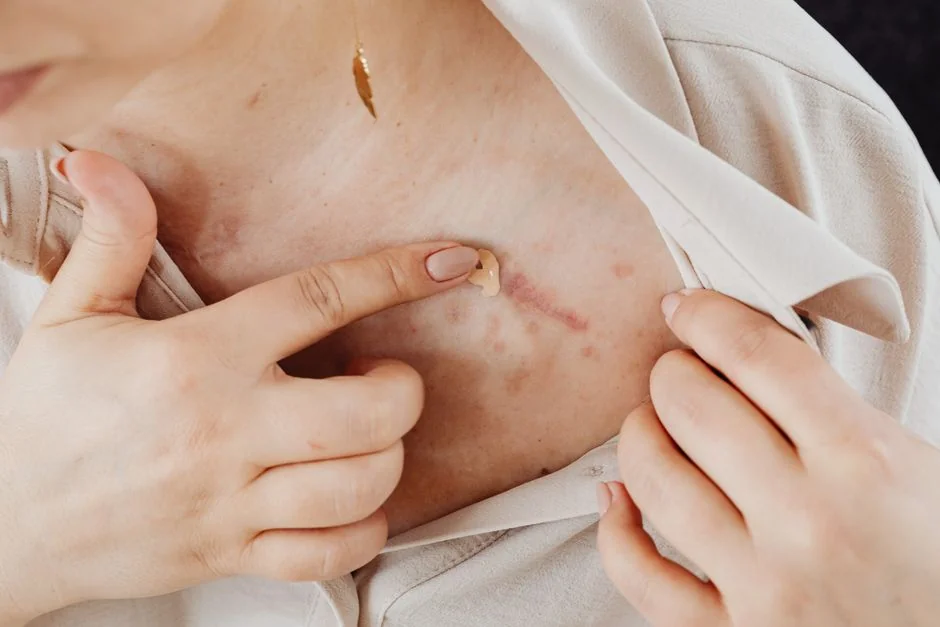
A 2026 systematic review and meta-analysis published in the Journal of Plastic, Reconstructive & Aesthetic Surgery — covering 25 studies and 1,432 patients — reported a pooled patient satisfaction rate of 78.6% following scar revision procedures. Satisfaction was highest among patients with traumatic scars (88.3%) and somewhat lower for burn scars (74.5%). Surgical interventions demonstrated the most favourable outcome scores compared with non-surgical approaches alone.
Keloid scars present a particular challenge. The Japan Scar Workshop (JSW) 2018 consensus — compiled by Ogawa and colleagues across Japan’s leading plastic surgery institutions — documents keloid recurrence rates of 50 to 80% after surgery alone. Combining surgical excision with adjunct therapy such as post-operative corticosteroid injections, silicone compressive dressings, or — in selected cases — radiotherapy can reduce recurrence to 10% or below. This is why treatment planning beyond the procedure itself is not optional in keloid management.
Who Is a Good Candidate?
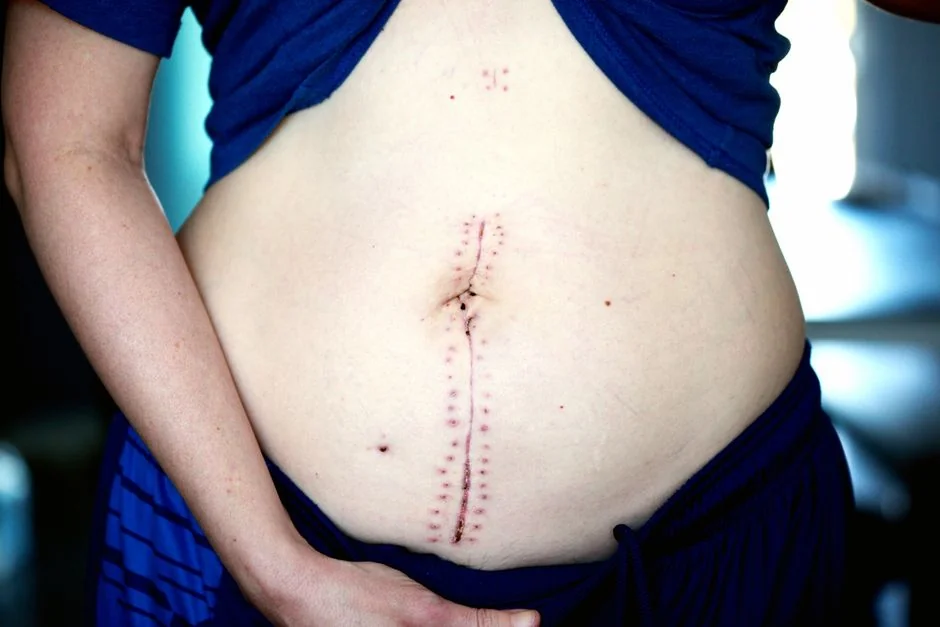
Scar revision tends to yield the most predictable outcomes in adults whose scar has fully matured — typically 12 to 18 months after the original injury — who are non-smokers or able to abstain around the time of surgery, and who hold realistic expectations about meaningful improvement rather than complete elimination.
Patients with a personal or family history of keloid formation should disclose this clearly during consultation so the surgeon can plan appropriate post-operative management from the outset. Those with an immature scar (still pink, raised, or actively changing), active infection at the scar site, or conditions that impair wound healing will generally be advised to wait or to begin with non-surgical options first.
At BIOTOPE CLINIC in Shirokanedai, the team frequently sees patients who are genuinely unsure whether their scar warrants surgery or whether a structured course of laser or RF microneedling sessions would be sufficient — a question the initial consultation is specifically designed to answer.
What to Expect: Before, During, and After
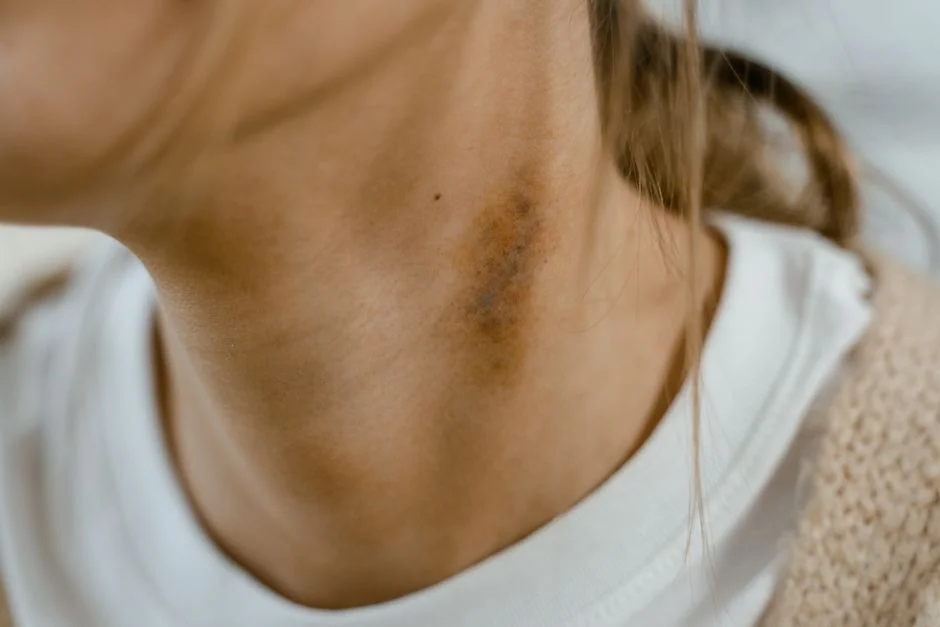
Before surgery, the consultation establishes scar classification, Fitzpatrick skin type, and medical history. Most surgeons ask that aspirin, NSAIDs, and relevant supplements be stopped two weeks before the procedure to minimise bleeding risk.
During surgery, most scar revision procedures are performed under local anaesthetic in an outpatient clinic setting. Simple excision and geometric flap techniques take between 30 and 90 minutes depending on scar length and complexity; the patient remains awake and is able to go home the same day.
After surgery, facial sutures are typically removed at five to seven days and body sutures at 10 to 14 days. Redness, mild swelling, and bruising in the early weeks are expected. Standard aftercare includes silicone tape or gel, consistent SPF 50 or above sun protection, and compressive dressings for high-tension areas over several weeks to months. The final result is best assessed at nine to 12 months, once scar maturation is complete.
Cost of Scar Revision Surgery in Tokyo
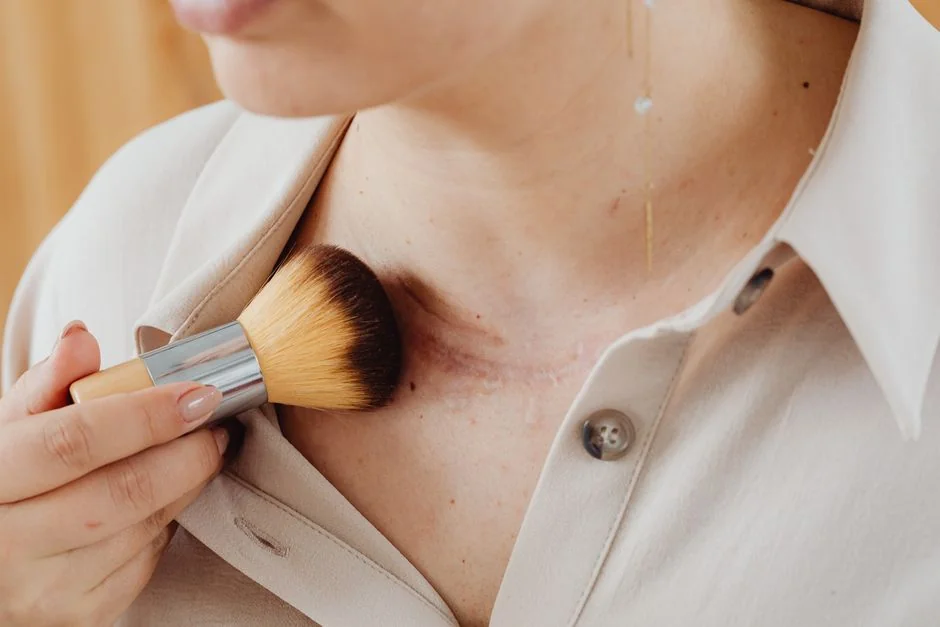
Scar revision in Tokyo is generally undertaken as a self-pay (cosmetic) procedure. An exception applies when the scar causes documented functional impairment — such as a contracture restricting joint movement or interfering with daily function — in which case Japan’s national health insurance (NHI) may cover surgical correction. Eligibility is determined through a clinical assessment by a board-certified plastic surgeon; a scar’s aesthetic impact alone does not meet the NHI threshold.
Self-pay pricing varies considerably depending on scar size and complexity, the specific technique required (simple excision versus multi-flap rearrangement), anaesthetic approach, and whether post-operative laser or injection sessions are incorporated into the plan. Because the scope of treatment can only be determined after direct examination of the scar, publishing a single figure would be misleading. Please see the clinic’s official price page or contact us for a current quote.
Have a question about this treatment?
Message us on LINE or WhatsApp — our English-speaking team usually replies the same day.
Common Misconceptions About Scar Revision
Misconception: scar revision surgery removes a scar completely.
This expectation is among the most common reasons patients are disappointed after an otherwise successful procedure. Every scar is a permanent biological structure; revision improves its colour, width, texture, and direction relative to skin tension lines — it does not produce skin that looks entirely uninjured. Any practitioner who guarantees complete removal is overstating what is physiologically possible, and patients should treat such claims as a caution rather than a reassurance.
Misconception: surgery alone is sufficient for keloid scars.
The Japan Scar Workshop 2018 consensus documents keloid recurrence after surgery alone at 50 to 80% — among the highest recurrence rates encountered in elective surgical practice. Patients who proceed with excision only, without a structured post-operative management protocol, carry a substantially elevated risk of the scar returning — and often returning larger. Effective keloid treatment is multimodal by design, not by preference.
Frequently Asked Questions
- Q. How long before I can see the final result of scar revision surgery?
- Sutures heal within two to four weeks, but the scar continues to mature for up to 12 months. Patients are advised not to judge the final appearance until that maturation is complete — typically at nine to 12 months. Red or pink discolouration during the first few months is a normal part of the healing process and does not predict the long-term outcome.
- Q. Will the revised scar look worse before it improves?
- Yes, and this is expected. In the weeks immediately following surgery, the new incision line may be more red, slightly raised, or more visible than the original scar. This is a normal inflammatory response and typically settles considerably by three to six months. Consistent aftercare — silicone products, sun protection, and directed massage — supports faster maturation.
- Q. Can scar revision surgery in Tokyo be covered by Japanese national health insurance?
- Coverage is possible where a scar causes functional impairment, such as restricted movement or chronic physical discomfort. Purely aesthetic revision is self-pay. A board-certified plastic surgeon will assess eligibility during the initial consultation. Patients uncertain about insurance status can raise this question when booking at Kojimachi Dermatology & Plastic Surgery Clinic (Ichigaya), the group’s main clinical office for general and aesthetic plastic surgery.
- Q. How many sessions will I need in total?
- Surgical excision is normally a single procedure, though post-operative steroid injections or laser refinement may be added weeks to months later depending on how the wound heals. Device-based treatments such as CO2 fractional laser or RF microneedling typically involve two to four sessions spaced four to six weeks apart. The full treatment plan is confirmed after the initial consultation.
Have a question about this treatment?
Message us on LINE or WhatsApp — our English-speaking team usually replies the same day.
Where to Get Scar Revision Surgery in Tokyo
Within our clinic group, both BIOTOPE CLINIC (Shirokanedai, Minato-ku) and Kojimachi Dermatology & Plastic Surgery Clinic (Ichigaya, Chiyoda-ku) offer English-language consultation with Dr. Jun Karibe’s team. Scar revision surgery is handled at BIOTOPE CLINIC in Shirokanedai, where Dr. Karibe — a board-certified plastic surgeon certified by the Japan Society of Plastic and Reconstructive Surgery — personally consults. Device-based scar treatments, including CO2 fractional laser and RF microneedling (Morpheus8), are also available at BIOTOPE CLINIC.
Patients seeking to establish whether their case qualifies for insurance-covered plastic surgery revision can be seen at Kojimachi Dermatology & Plastic Surgery Clinic in Ichigaya, Chiyoda-ku. Bookings and enquiries in English: LINE or WhatsApp.
If you have questions about scar revision surgery in Tokyo, both BIOTOPE CLINIC (Shirokanedai, Minato-ku) and Kojimachi Dermatology & Plastic Surgery Clinic (Ichigaya, Chiyoda-ku) offer English-language consultation with Dr. Karibe and his team. Scar revision surgery is primarily handled at BIOTOPE CLINIC in Shirokanedai. English enquiries: LINE or WhatsApp.
24/7 Consultation & Booking
Book a Consultation or Treatment
Our English-speaking team responds via LINE or WhatsApp — usually the same day.
References
- Bhingradia YM, Malpani SS, et al. Surgical scar revision against relaxed skin tension lines — achieving robust esthetic outcomes while swimming against the tide: a retrospective study. Journal of Cutaneous and Aesthetic Surgery. 2026.
- Patient satisfaction following scar revision: a systematic review and meta-analysis. Journal of Plastic, Reconstructive & Aesthetic Surgery. 2026.
- Ogawa R, et al. Diagnosis and treatment of keloids and hypertrophic scars — Japan Scar Workshop consensus document 2018. Burns & Trauma. 2019.
- Laser revision of scars. In: StatPearls. Treasure Island, FL: StatPearls Publishing; 2024.
Related Articles
You may also find these articles useful.
- Scar Revision Surgery in Tokyo: Options and Cost Guide
- Scar Revision Surgery Tokyo: Options, Cost & Recovery
- Scar Revision Surgery Tokyo: Options and Cost
- Acne Scar Laser Treatment Tokyo: Cost and Real Results
- Acne Scar Laser Treatment Tokyo: Cost & Results
SUPERVISED BY
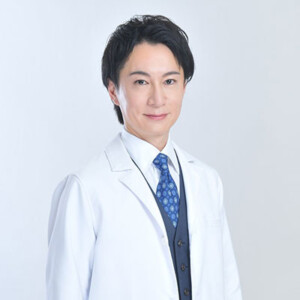
Dr. Jun Karibe
MD
Director
Education & Career
Certifications
Awards
MEDICAL REVIEW