What Is Stem Cell Culture Supernatant Therapy?
The name sounds complex, but the core concept is straightforward.
Mesenchymal stem cells (MSCs) are grown in laboratory culture; as they grow, they secrete a rich mixture of growth factors, cytokines, and signalling peptides into the surrounding liquid. That liquid — the conditioned medium, or 培養上清液 (baiyo jōseieiki) in Japanese — is harvested, concentrated, quality-tested for sterility and bioactivity, and prepared for clinical use. The stem cells themselves remain in the laboratory. What is delivered to the scalp is a cell-free solution of bioactive proteins.
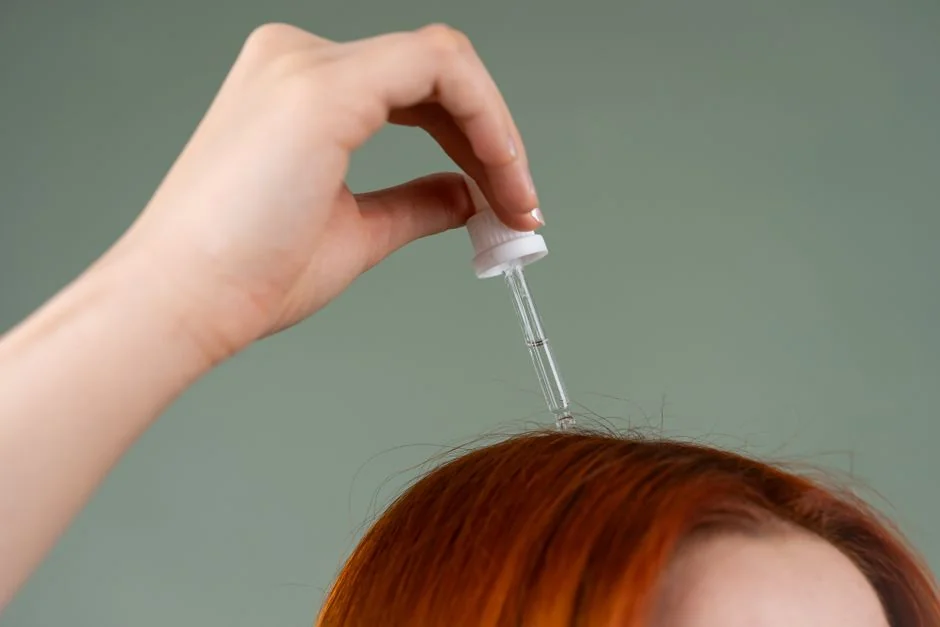
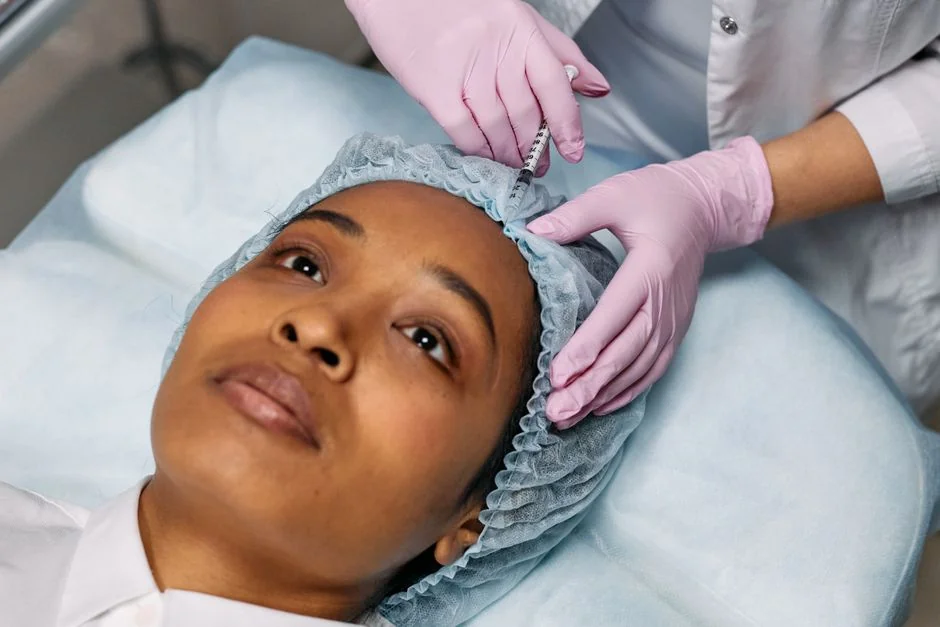
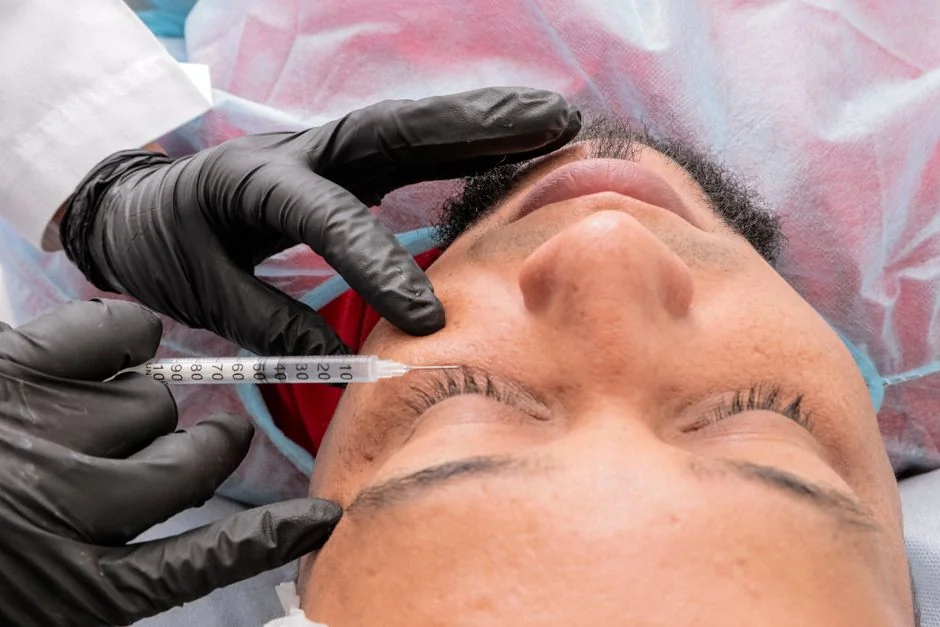
In a clinic setting, a physician introduces the supernatant into the scalp dermis via micro-injection or a micro-needling device, targeting the areas of thinning where dormant or miniaturised follicles are present.
Conditioned Medium vs. Direct Stem Cell Injection
Direct stem cell transplantation involves injecting living cells, which raises considerations around immune compatibility, cell viability, and regulatory classification under Japan’s Act on the Safety of Regenerative Medicine. Conditioned medium, being cell-free, sidesteps those concerns: it does not carry the infection and immunological risks associated with living cell products, and its safety profile across published trials has been consistently favourable.
Stem Cell Sources Used Clinically
The three most common MSC sources for conditioned medium production are adipose (fat) tissue, bone marrow, and dental pulp. Most published clinical research focuses on adipose-derived stem cell conditioned medium (ADSC-CM), though dental pulp-derived MSC products are also used in Japanese clinical practice. All three sources produce MSCs capable of secreting the growth factors relevant to hair follicle biology; product profiles differ in specific cytokine concentrations and manufacturing processes.
How Conditioned Medium Works Against AGA
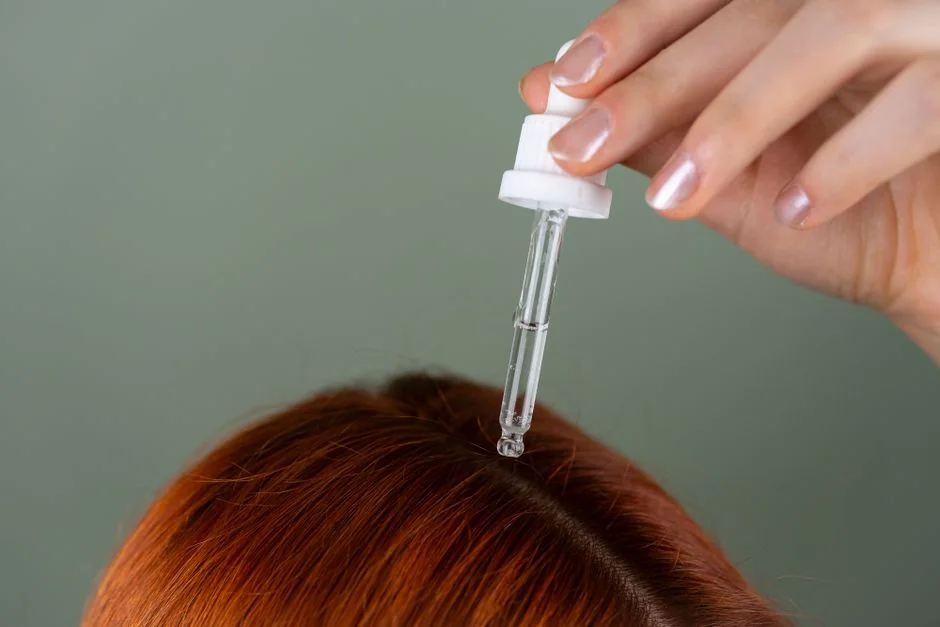
AGA develops when dihydrotestosterone (DHT) — formed from testosterone by the enzyme 5-alpha reductase — binds to androgen receptors in genetically susceptible follicles. This progressively shortens the hair growth (anagen) phase and miniaturises the follicle until it can no longer produce visible terminal hair. Conditioned medium does not block DHT directly. Instead, its growth factors modify the follicular microenvironment through several complementary pathways:
- Dermal papilla protection: Growth factors help shield the dermal papilla cells — the signalling hub of the hair follicle — from DHT-mediated cytotoxic damage and oxidative stress, slowing the miniaturisation process.
- Anagen promotion: Vascular endothelial growth factor (VEGF) and hepatocyte growth factor (HGF) promote the transition of follicles from the resting (telogen) phase back into active growth (anagen) and extend the anagen duration.
- Scalp angiogenesis: Enhanced formation of fine blood vessels improves nutrient and oxygen delivery to follicles.
- Anti-inflammatory action: Cytokines in the supernatant modulate low-grade scalp inflammation, which contributes to follicle miniaturisation in AGA.
A systematic review by Ortega-Cuartiella (International Journal of Trichology, 2024) quantified key components in a commercially produced ADSC-CM preparation: HGF at 670.94 ± 86.92 pg/mL and VEGF at approximately 810 pg/mL — levels that reflect meaningful biological potency in a concentrated product.
What the Research Shows
A 2026 systematic review by Behrangi et al. (Stem Cell Research & Therapy) pooled data from 20 clinical studies involving 724 patients across regenerative AGA therapies. Among the six studies examining conditioned medium specifically, the reviewers found:
- Hair density improvements ranging from 7 to 16% with topical and injection delivery, with one microneedling-assisted study reporting 16.4% improvement.
- In 12-week ADSC-CM cohort data, average improvement in hair density reached 74.02%, and hair count improved by 74.61% over baseline.
- Hair thickness improvements were more modest, averaging 11.09% in the same group.
- No major adverse events were observed; only mild transient reactions (temporary discomfort, minor bruising) were recorded across studies.
A randomised, double-blind trial by Legiawati et al. (Stem Cell Research & Therapy, 2023) tested concentrated ADSC-CM combined with topical minoxidil in 37 male AGA patients. Statistically significant improvements were observed in all hair parameters at six weeks, and over 81% of participants reported being very satisfied with their outcomes. No severe topical or systemic side effects occurred.
Study designs, product concentrations, delivery methods, and patient selection vary considerably across the literature. These figures represent outcomes in clinical research settings; individual results in practice will differ based on AGA severity, age, and the viability of remaining follicles.
How Conditioned Medium Compares to Other AGA Treatments
| Treatment | Mechanism | Evidence Level | Downtime | Notes |
|---|---|---|---|---|
| Finasteride / Dutasteride (oral) | 5-alpha reductase inhibition; reduces DHT | High (multiple RCTs) | None | Men only; ongoing daily use required; not suitable in pregnancy planning |
| Topical / Oral Minoxidil | Vasodilation; prolongs anagen phase | High | None | Men and women; ongoing use required; shedding possible in first weeks |
| Stem Cell Conditioned Medium | Growth factors; follicle protection; anagen promotion | Moderate (growing evidence base) | Minimal (1–7 days mild redness) | Men and women; works well combined with DHT inhibitors |
| PRP (Platelet-Rich Plasma) | Autologous growth factors from patient’s own blood | Moderate | Minimal | Uses patient’s own blood; no added growth factor concentration from MSC secretome |
| Hair Transplant (FUE) | Surgical relocation of DHT-resistant follicles | High | 1–2 weeks | Permanent outcome in donor areas; does not halt ongoing loss in native hair |
Cost in Tokyo
Stem cell culture supernatant therapy is a self-pay (jiko futan) procedure throughout Japan; it is not covered by public health insurance. Pricing varies between clinics based on product origin, concentration, and session protocol.
At the clinic group described below, the published price for stem cell culture supernatant scalp treatment is ¥110,000 per session, with a five-session package available at ¥396,000. Monthly intervals between sessions are recommended, and clinically meaningful improvement in hair density typically becomes apparent after three to five sessions.
These figures are taken from the clinic’s official website at the time of writing and are subject to change. For an accurate quote tailored to your treatment plan, please book a consultation.
Have a question about this treatment?
Message us on LINE or WhatsApp — our English-speaking team usually replies the same day.
What to Expect: Before, During and After Treatment
Before Your Appointment
At consultation, a physician will review your medical and medication history, examine the scalp with trichoscopy (a magnified dermoscopy technique), and classify the degree of thinning using a standard scale such as the Norwood-Hamilton classification for men or the Ludwig scale for women. Trichoscopy is important because it can reveal whether miniaturised follicles are still present in the thinning zone — the key predictor of how well a patient is likely to respond to growth-factor therapy.
During the Session
The scalp is cleansed and, where needed, a topical anaesthetic cream is applied to reduce discomfort. The supernatant is then introduced into the dermis of the thinning area by fine-needle injection or a device-assisted delivery method, depending on the clinic’s protocol. A typical session takes roughly 30 to 45 minutes. Most patients describe the sensation as mild pressure rather than significant pain.
After Treatment
Mild redness or transient swelling at the treatment site is common and generally resolves within one to seven days. No bed rest or time off work is required. On the day of treatment it is advisable to avoid vigorous scalp washing, saunas, and intense exercise. Because hair growth is a slow biological process — a single follicle cycles over weeks, not days — visible increases in hair density and thickness usually begin to appear from the second or third session onward, with continued improvement over several months thereafter.
Who Is a Good Candidate?
Conditioned medium therapy tends to produce the best outcomes in patients who still have living, albeit miniaturised, follicles in the areas of concern. The treatment is most appropriate for:
- Men with early-to-moderate AGA (broadly Norwood stages II–IV) where trichoscopy confirms miniaturised but viable follicles remain
- Women with diffuse thinning (Ludwig grade I–II) in whom female-pattern hair loss or AGA has been confirmed
- Patients seeking a drug-free option, or who wish to combine a regenerative approach with oral medication for a complementary effect
- Individuals who have achieved partial but incomplete results with finasteride or minoxidil and wish to add a growth-factor component to their treatment plan
- Those exploring minimally invasive options before committing to surgical hair transplantation
The treatment is less likely to produce significant regrowth in areas where follicles have been absent for many years and the scalp has become fibrotic. A trichoscopy assessment at consultation helps identify whether viable follicles are still present before a treatment course is planned.
Who Should Approach with Caution
Patients should disclose at consultation if they have an active scalp infection, open wounds in the treatment area, a known allergy to any component of the product, or a history of bleeding disorders. Pregnant or breastfeeding individuals are generally advised to defer elective scalp injection procedures.
Common Misconceptions About Stem Cell Therapy for Hair Loss
Misconception 1: “Stem cell therapy” means living cells are injected into the scalp.
Conditioned medium (培養上清液) is a cell-free product. The stem cells are cultured in a laboratory to generate the growth factor-rich liquid; the cells themselves are not present in the final injected product. This distinction matters clinically: the absence of live cells removes the risk of immune rejection and the regulatory requirements that apply to autologous cell therapies. When researching clinics, looking for the term “conditioned medium” or “culture supernatant” confirms you are being offered this cell-free approach rather than a live-cell procedure.
Misconception 2: One session is enough for lasting results.
AGA is a chronic, progressive condition driven by ongoing androgen sensitivity of the hair follicle. Growth factor therapy can improve the follicular environment and stimulate anagen, but it does not permanently alter the underlying genetic sensitivity to DHT. Published studies tracking outcomes at six and twelve weeks show meaningful improvements within those windows; however, most clinicians recommend a course of three to five sessions, often maintained alongside DHT-suppressing medication, to sustain the benefit. Expecting lasting regrowth from a single injection is the most common reason patients are disappointed with regenerative hair treatments.
Where to Get AGA Treatment in Tokyo
Within our clinic group, both BIOTOPE CLINIC (Shirokanedai, Minato-ku) and Kojimachi Dermatology & Plastic Surgery Clinic (Ichigaya, Chiyoda-ku) offer English-language consultation with Dr. Jun Karibe’s team. AGA treatment — including stem cell culture supernatant therapy and oral or topical medication options — is handled at BIOTOPE CLINIC in Shirokanedai, as part of the clinic’s men’s health and regenerative medicine programme. Dr. Karibe holds board certification from the Japan Society of Plastic and Reconstructive Surgery. Consultations for AGA at BIOTOPE CLINIC include trichoscopic scalp assessment to guide treatment selection and to track progress across sessions. Bookings and enquiries in English: LINE or WhatsApp.
Kojimachi Dermatology & Plastic Surgery Clinic in Ichigaya is the group’s main office for insurance-covered general dermatology — conditions such as eczema, acne, and rashes — and general plastic surgery. Both clinics serve English-speaking patients and are accessible from central Tokyo.
Frequently Asked Questions
- Q. How many sessions do I need before seeing results?
- Most patients begin to notice changes in hair texture and density from the second or third session. More visible regrowth is typically assessed at three to six months from the start of a treatment course. Hair growth is a slow biological cycle, and early results can be subtle; trichoscopic photography at follow-up appointments is useful for tracking objective changes.
- Q. Can this treatment be combined with finasteride or minoxidil?
- Combination approaches are used in clinical practice. Oral DHT inhibitors address the hormonal driver of AGA, while conditioned medium targets the follicular microenvironment with growth factors. A published randomised trial (Legiawati et al., 2023) evaluated ADSC-CM combined with minoxidil and found statistically significant improvements in hair parameters. The appropriate combination for an individual’s profile is best determined at consultation.
- Q. Is the injection painful?
- Most patients find the procedure well tolerated. Topical anaesthetic cream can be applied before injection to reduce discomfort. Post-procedure, mild redness or sensitivity in the treated area is common and typically resolves within one to seven days.
- Q. Is this treatment covered by Japanese health insurance?
- No. Stem cell culture supernatant therapy is a self-pay regenerative procedure and is not covered by Japan’s public health insurance (kokumin kenko hoken). Standard AGA prescription medications such as finasteride and dutasteride are also typically self-pay when prescribed for cosmetic hair loss rather than an approved indication.
- Q. Are there serious risks I should know about?
- Published systematic reviews consistently report no major adverse events associated with conditioned medium therapy for AGA, with only mild transient reactions at the injection site. As with any injectable procedure, there is a small risk of localised bruising or infection; these are minimised by using a trained physician and strict sterile technique. Patients should disclose their full medical history at consultation so any contraindications can be identified.
Have a question about this treatment?
Message us on LINE or WhatsApp — our English-speaking team usually replies the same day.
Summary
Stem cell culture supernatant therapy is a regenerative, cell-free approach to AGA that delivers concentrated growth factors — including VEGF, HGF, IGF-1, and bFGF — directly to the scalp dermis. Clinical studies suggest it can produce meaningful improvements in hair density and count, particularly in patients with early-to-moderate AGA who still have viable follicles, with a consistently favourable safety profile and minimal downtime. It is not a standalone cure for AGA, and its effects are best sustained when combined with DHT-targeting medication as part of a longer-term treatment strategy.
If you have questions about AGA treatment in Tokyo, both BIOTOPE CLINIC (Shirokanedai, Minato-ku) and Kojimachi Dermatology & Plastic Surgery Clinic (Ichigaya, Chiyoda-ku) offer English-language consultation with Dr. Karibe and his team. Stem cell culture supernatant therapy and wider AGA management are primarily handled at BIOTOPE CLINIC in Shirokanedai. English enquiries: LINE or WhatsApp.
24/7 Consultation & Booking
Book a Consultation or Treatment
Our English-speaking team responds via LINE or WhatsApp — usually the same day.
References
- Behrangi E, et al. A systematic review of clinical evidence on the efficacy and safety of conditioned media, platelet-rich fibrin, stromal vascular fraction, extracellular vesicles, and stem cells in androgenetic alopecia. Stem Cell Research & Therapy. 2026.
- Legiawati L, et al. Combination of adipose-derived stem cell conditioned media and minoxidil for hair regrowth in male androgenetic alopecia: a randomized, double-blind clinical trial. Stem Cell Research & Therapy. 2023.
- Ortega-Cuartiella A. Therapeutic potential of adipose-derived stem cells and their secretome in reversible alopecias: a systematic review. International Journal of Trichology. 2024.
- Autologous stem cell-derived therapies for androgenetic alopecia: a systematic review of randomized control trials on efficacy, safety, and outcomes. Plastic and Reconstructive Surgery Global Open. 2024.
Related Articles
You may also find these articles useful.
- Stem Cell vs Exosome vs Supernatant Therapy in Tokyo
- AGA vs Finasteride and Minoxidil: Regenerative Tokyo Guide
- Exosome Hair Therapy in Tokyo vs PRP and Mesotherapy
- FAGA Female Pattern Hair Loss Tokyo: Regenerative Treatments
- Regenerative Medicine Tokyo: Stem Cell vs Exosome Guide
SUPERVISED BY
Dr. Jun Karibe
MD
Director
Education & Career
Certifications
Awards
MEDICAL REVIEW