Collagen Booster Treatments in Tokyo: What Works, What to Expect, and Where to Go
If you have noticed your skin looking less firm, more hollow, or slower to recover from stress and sun exposure, you are likely experiencing the natural decline of collagen — the structural protein that keeps skin dense, lifted, and smooth.
The good news is that modern aesthetic medicine offers several evidence-supported pathways to stimulate collagen production without surgery. This guide explains how collagen booster treatments work, what results are realistic, and what you can expect at a Tokyo clinic.
What you’ll learn in this article:
- What collagen booster treatments are and why collagen declines with age
- Which procedures are classified as collagen stimulators and how they differ
- Realistic results, downtime, and who is a suitable candidate
- Approximate costs in Tokyo, with reference to clinic pricing
- Where English-speaking patients in Tokyo can access these treatments
Have a question about this treatment?
Message us on LINE or WhatsApp — our English-speaking team usually replies the same day.
What Is a Collagen Booster Treatment?
The term “collagen booster” refers to any medical aesthetic procedure designed to trigger the body’s own fibroblast cells — the cells responsible for manufacturing collagen and elastin — to increase production.
Rather than applying collagen topically (which cannot penetrate the skin’s deeper layers), these treatments create a controlled stimulus inside the dermis or subdermal tissue that prompts a natural wound-healing and remodelling response.
Collagen begins declining at roughly 1% per year from the mid-twenties onwards. By the time visible sagging, fine lines, or volume loss appear, cumulative loss can be significant. Clinical reports indicate that by age 40, skin may have lost approximately 10–20% of its peak collagen density, with accelerated loss occurring around hormonal transitions such as menopause.
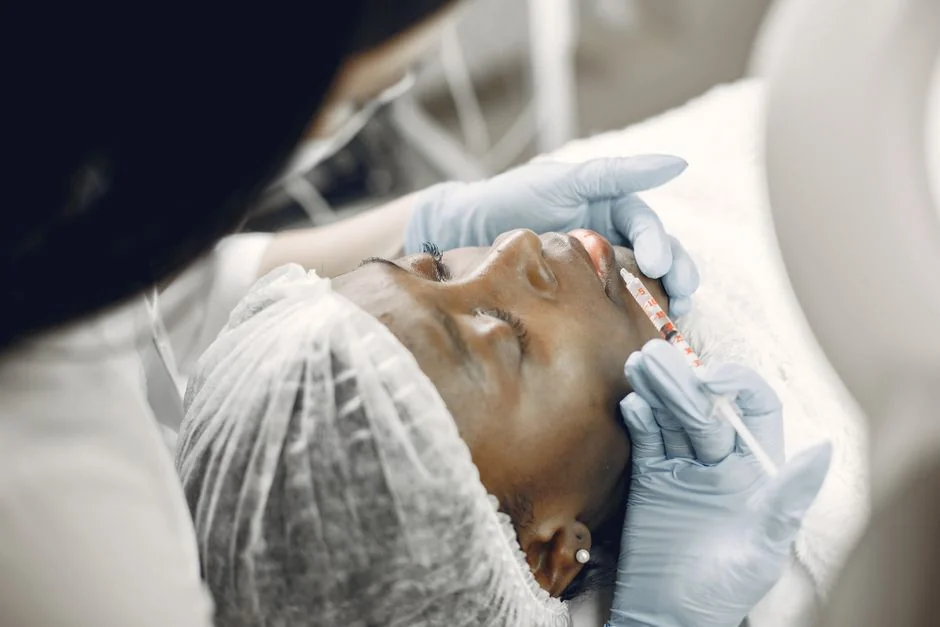
Collagen booster treatments range from injectable biostimulators and radiofrequency (RF) energy devices to micro-needling platforms, lasers, and HIFU (High-Intensity Focused Ultrasound). They are not identical — the mechanism, depth of action, downtime, and timeline to results differ considerably between modalities.
How Different Collagen-Stimulating Treatments Work
Injectable Biostimulators
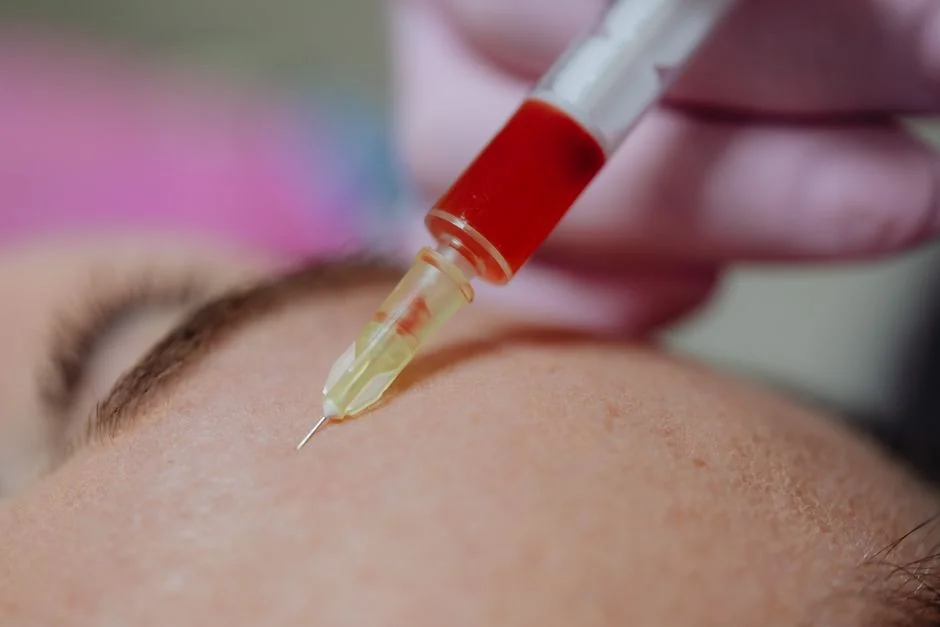
Products in this category — such as JUVELOOK (a PDLLA-HA hybrid filler available at BIOTOPE CLINIC) — are injected into the dermis or subdermis. Unlike traditional hyaluronic acid fillers, which add volume immediately, biostimulators dissolve gradually while triggering fibroblast activity.
Studies suggest that poly-D-L-lactic acid (PDLLA)-based products can produce measurable increases in dermal thickness over a 3–6 month period following injection.
JUVELOOK is available at BIOTOPE CLINIC in Shirokanedai — patients interested in this option are encouraged to raise it during a consultation with Dr. Karibe to determine whether it is appropriate for their skin type and goals.
Radiofrequency (RF) Microneedling
Devices such as Morpheus8 and POTENZA combine fine needles with radiofrequency energy. The needles create micro-channels in the skin, while the RF energy heats the dermis and subcutaneous tissue to temperatures that denature existing collagen fibres — triggering a repair response that produces new, reorganised collagen. Depth settings can be adjusted to target superficial skin texture or deeper laxity.
HIFU (High-Intensity Focused Ultrasound)
HIFU delivers focused ultrasound energy to the SMAS layer (the fibromuscular layer beneath the skin, the same tissue addressed in surgical facelifts). The thermal injury stimulates collagen neogenesis — the formation of new collagen — at depth, with no external wound. Results typically develop progressively over 3–6 months.
Clinical reports of HIFU indicate measurable brow and jawline lift in a proportion of patients, though individual response varies.
CO2 Fractional Laser
Fractional CO2 laser resurfaces the skin by creating thousands of microscopic columns of thermal injury while leaving surrounding tissue intact.
The healing process stimulates collagen remodelling. It is particularly effective for skin texture, enlarged pores, and superficial laxity, though recovery time is longer than with RF or HIFU.
Volnewmer RF Treatment
Volnewmer is an RF-based treatment designed to deliver deep thermal stimulation to subdermal tissue, promoting collagen contraction and neogenesis with relatively gentle surface heating. It is available at BIOTOPE CLINIC and may be discussed as an option during a consultation with Dr. Karibe.
Comparison of Common Collagen-Stimulating Treatments
| Treatment | Mechanism | Target Depth | Downtime | Results Timeline | Approximate Cost at BIOTOPE (JPY) |
|---|---|---|---|---|---|
| JUVELOOK (biostimulator) | Injectable PDLLA-HA; fibroblast stimulation | Dermis / subdermis | Minimal (1–3 days bruising possible) | 3–6 months | ¥11,000–¥267,300 |
| Morpheus8 / POTENZA (RF microneedling) | Fractional RF + micro-injury | Dermis to subcutaneous | 3–5 days redness/swelling | 4–12 weeks | POTENZA ¥35,000–¥49,800 |
| HIFU | Focused ultrasound; SMAS heating | SMAS layer | Minimal (1–2 days tenderness) | 3–6 months | ¥25,000–¥110,000 |
| CO2 Fractional Laser | Ablative resurfacing; thermal remodelling | Epidermis to dermis | 5–10 days | 4–8 weeks | ¥11,000–¥66,000 |
| Volnewmer | Deep RF thermal stimulation | Subdermal | Minimal | 1–3 months | ¥66,000–¥165,000 |
What Results Are Realistic?
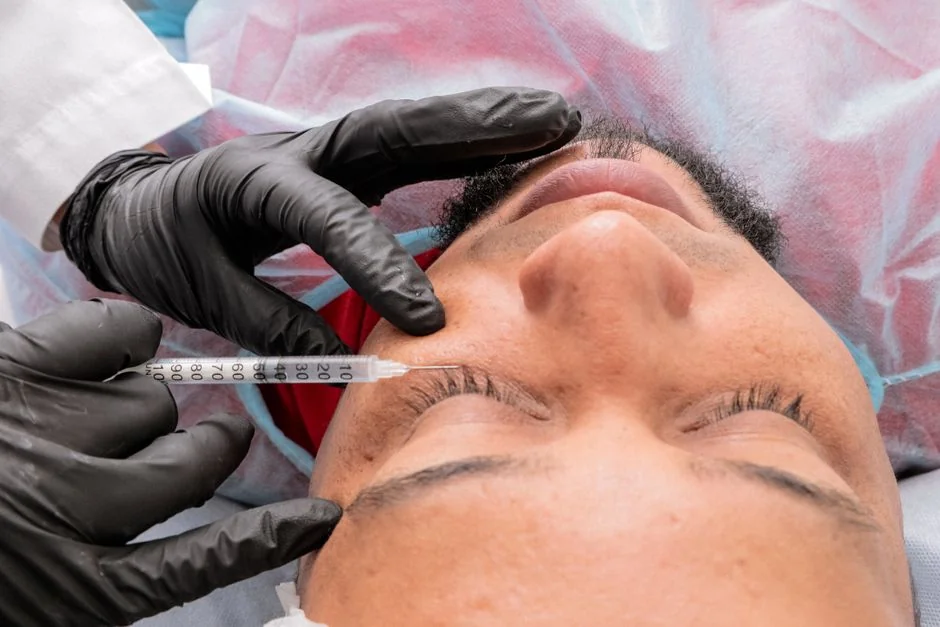
Collagen-stimulating treatments do not stop the ageing process, and results are not permanent — natural collagen breakdown continues after treatment. However, studies suggest that patients who undergo a structured course of collagen-stimulating treatment can experience meaningful improvements in skin firmness, hydration, and texture, often sustaining results for 12–24 months depending on the modality and the patient’s baseline skin condition.
In Dr. Karibe’s clinical experience at BIOTOPE CLINIC, many international patients arrive with realistic expectations — they are not seeking surgical transformation, but rather a refreshed, healthier appearance.
The most consistent results tend to be seen in patients who combine treatments (for example, HIFU for structural lifting alongside a biostimulator for skin quality) and who maintain results with appropriate skincare and sun protection.
Collagen synthesis takes time. Most patients notice early changes at 4–6 weeks, with peak results at 3–6 months for energy-based treatments. Single sessions may be sufficient for mild concerns; more significant laxity often warrants a series.
What to Expect: Before, During, and After
Before Treatment
A thorough consultation is essential. Dr. Karibe will assess skin condition, discuss medical history, and determine which modality — or combination — is most appropriate. Patients should avoid retinoids and certain supplements (such as high-dose vitamin E or fish oil) for a specified period before procedures involving needles or lasers, as these can increase bleeding risk. Sun-damaged or sensitised skin may require a preparatory phase.
During Treatment
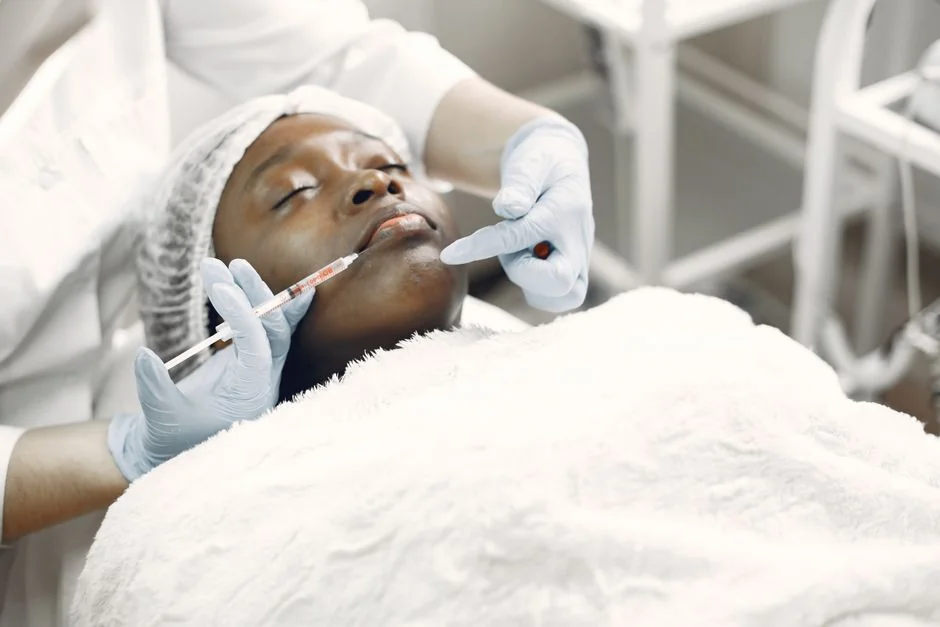
Most collagen booster procedures are performed in-clinic under topical anaesthetic cream. Injectables such as JUVELOOK may involve mild discomfort at needle entry points. RF and HIFU treatments produce sensations of warmth or occasional sharp heat, which most patients find tolerable. Sessions typically run from 20 to 60 minutes depending on the area treated.
After Treatment
Recovery varies by modality. HIFU and Volnewmer typically allow patients to return to daily activities the same day or the next day. RF microneedling (Morpheus8 / POTENZA) and CO2 laser involve a period of redness, mild swelling, or peeling — plan for 3–10 days of social downtime. All energy-based treatments require diligent sun protection in the weeks following the procedure, which is particularly important in Tokyo’s warmer months.
Dr. Karibe’s Note
Many of our international patients at BIOTOPE CLINIC are surprised to learn that a single collagen booster treatment is rarely the most effective strategy. Collagen remodelling is a biological process that benefits from structured repetition and the right combination of modalities for each individual’s skin. During your consultation, we take time to map out a realistic treatment plan — not simply the most expensive option, but the most appropriate one for your goals, timeline, and budget.
Collagen Booster Treatment Cost in Tokyo
Treatment costs at BIOTOPE CLINIC in Shirokanedai vary according to the modality chosen, the area treated, and whether a single session or a course of treatment is planned. The following ranges reflect the clinic’s current pricing:
- HIFU (face lifting / tightening): ¥25,000–¥110,000
- JUVELOOK (injectable biostimulator): ¥11,000–¥267,300
- POTENZA (RF microneedling): ¥35,000–¥49,800 per session
- CO2 Fractional Laser: ¥11,000–¥66,000
- Volnewmer: ¥66,000–¥165,000
- Dermapen (micro-needling, collagen stimulation): ¥9,800–¥220,000
An initial consultation at BIOTOPE CLINIC costs ¥3,300. A surgical consultation with Dr. Karibe is ¥2,200. Pricing depends on the extent of treatment, and combination protocols will be discussed and priced individually. For an accurate quote, we recommend booking a consultation.
Have a question about this treatment?
Message us on LINE or WhatsApp — our English-speaking team usually replies the same day.
Who Is a Good Candidate?
Collagen booster treatments are suitable for adults who are experiencing early to moderate signs of skin ageing — loss of firmness, skin laxity, fine lines, dull texture, or mild volume loss — and who prefer a non-surgical or minimally invasive approach.
They are equally applicable to patients in their late twenties using collagen stimulation as a preventive measure.
Good candidates are generally in good overall health, have realistic expectations about the pace and extent of improvement, and are committed to sun protection and follow-up care. Patients with darker skin tones (Fitzpatrick IV–VI) are excellent candidates for RF-based treatments, as RF energy carries a lower risk of post-inflammatory hyperpigmentation than certain laser modalities.
Collagen booster treatments may be less suitable — or may require modified protocols — for patients who are pregnant or breastfeeding, have active skin infections or inflammatory skin conditions in the target area, have certain implanted electronic devices (relevant to RF treatments), or have a history of keloid scarring. Patients on blood-thinning medications should disclose this during consultation.
Common Misconceptions About Collagen Booster Treatments
Misconception 1: Topical collagen products are equivalent to in-clinic treatments
Collagen molecules are too large to penetrate the skin’s outer barrier (the stratum corneum) when applied topically. Creams and serums labelled as “collagen” may support surface hydration, but they do not increase dermal collagen in the way that energy-based or injectable treatments do. This is not a marketing claim — it reflects the basic physics of transdermal absorption.
Misconception 2: Results appear immediately after treatment
Because these treatments work by stimulating the body’s own biological repair processes, results develop gradually. Patients who expect to see a dramatic change within days of a HIFU or biostimulator session will be disappointed. The most meaningful improvements typically appear 2–6 months after treatment, as newly formed collagen matures and remodels. Patience is genuinely part of the protocol.
Where to Get Collagen Booster Treatment in Tokyo
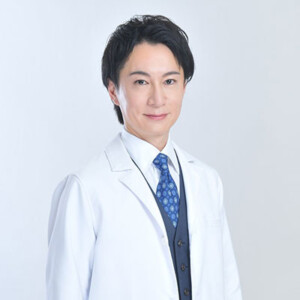
Within our clinic group, English-speaking consultations are handled at BIOTOPE CLINIC in Shirokanedai (Minato-ku, Tokyo) by Dr. Jun Karibe, a board-certified plastic and reconstructive surgeon certified by the Japan Society of Plastic and Reconstructive Surgery. All collagen-stimulating treatments discussed in this article — HIFU, JUVELOOK, RF microneedling, Volnewmer, CO2 fractional laser, Dermapen, and related injectables — are available for consultation and treatment at BIOTOPE.
Our sister clinic, Kojimachi Dermatology and Plastic Surgery Clinic (麹町皮ふ科・形成外科クリニック) in Ichigaya, Chiyoda-ku, is the group’s main office and focuses on insurance-covered dermatology in Japanese. English-speaking patients should direct all enquiries and bookings to BIOTOPE CLINIC. Bookings and enquiries in English: LINE or WhatsApp.
Frequently Asked Questions
- Q. How many sessions will I need?
- This depends on the treatment modality and the degree of concern being addressed. HIFU and Volnewmer are often effective as a single annual session for maintenance, while RF microneedling for texture or laxity typically involves a course of 3 sessions spaced 4–6 weeks apart. Injectable biostimulators such as JUVELOOK may require an initial loading protocol of 2–3 sessions. Dr. Karibe will provide a personalised recommendation at consultation.
- Q. Is there an age limit for collagen booster treatments?
- There is no strict upper age limit. Older patients may have more significant laxity and therefore more to gain from structural approaches such as HIFU or thread lifts, while younger patients tend to respond well to biostimulators and superficial RF. Candidacy is assessed on individual health and skin status rather than age alone.
- Q. Can these treatments be combined with Botox or hyaluronic acid filler?
- Yes — combination protocols are common and often produce more balanced results than any single treatment alone. For example, HIFU may address structural lifting, a biostimulator may improve overall skin quality, and Botox may refine dynamic lines. The sequencing and timing of combinations should always be planned with a qualified physician to avoid interactions between modalities.
- Q. Are collagen booster treatments available in English at Tokyo clinics?
- English-speaking physician consultations are not universally available at Tokyo aesthetic clinics. At BIOTOPE CLINIC in Shirokanedai, consultations with Dr. Karibe are conducted with English-speaking support, and the clinic’s team handles enquiries in English via LINE or WhatsApp.
Have a question about this treatment?
Message us on LINE or WhatsApp — our English-speaking team usually replies the same day.
Summary
Collagen booster treatments represent a scientifically grounded, evidence-supported category of aesthetic medicine that addresses one of the core mechanisms of skin ageing. Whether the goal is firming, texture refinement, or volume restoration, modalities such as HIFU, RF microneedling, injectable biostimulators, fractional laser, and Volnewmer each offer distinct benefits with manageable downtime profiles.
At BIOTOPE CLINIC in Shirokanedai, patients are assessed individually, and treatment recommendations are based on clinical examination rather than a fixed menu. Results develop progressively and are influenced by lifestyle, skin condition, and adherence to aftercare — honest expectations are part of every consultation.
If you have questions about collagen booster treatments, English-speaking consultations are handled at BIOTOPE CLINIC in Shirokanedai (Minato-ku, Tokyo) by Dr. Karibe. Our sister clinic, Kojimachi Dermatology and Plastic Surgery Clinic in Ichigaya (Chiyoda-ku), handles Japanese-language insurance dermatology. English enquiries: LINE or WhatsApp.
24/7 Consultation & Booking
Book a Consultation or Treatment
Our English-speaking team responds via LINE or WhatsApp — usually the same day.
References
- Goldberg DJ, Hussain M, Fazeli A, Berlin AL. Treatment of skin laxity of the lower face and neck in older individuals with a new radiofrequency device using deep tissue heating. Journal of Cosmetic and Laser Therapy. 2007.
- Boisnic S, Branchet MC. Ex vivo human skin evaluation of localized fat reduction and anti-aging effect by TriPollar radio frequency treatments. Journal of Cosmetic and Laser Therapy. 2010.
- Suh DH, Shin MK, Lee SJ, et al. Intense focused ultrasound tightening in Asian skin: clinical and pathologic results. Dermatologic Surgery. 2011.
- Yutskovskaya YA, Kogan EA. Improved neocollagenesis and skin mechanical properties after injection of diluted poly-L-lactic acid in the neck, décolletage, and hands. Journal of Drugs in Dermatology. 2017.
- Aust MC, Fernandes D, Kolokythas P, Kaplan HM, Vogt PM. Percutaneous collagen induction therapy: an alternative treatment for scars, wrinkles, and skin laxity. Plastic and Reconstructive Surgery. 2008.
Related Articles
You may also find these articles useful.
- Collagen Booster Treatment Tokyo: Cost & Results
- Exosome Therapy Tokyo: Skin Rejuvenation Guide
- Embrace RF Tokyo: FaceTite & Morpheus8 Explained
SUPERVISED BY
Dr. Jun Karibe
MD
Director
Education & Career
Certifications
Awards
MEDICAL REVIEW